Brazil woman rescued after 55 yrs enslaved by 3-generation family
The Story of Maria: A 55-Year Journey from Slavery to Freedom in Brazil
Meet Maria (Not Her Real Name!)
Imagine being sent to work for a stranger when you are only 7 years old — that’s about the same age you start learning multiplication in school! We are calling her "Maria" because that is the most common girl’s name in Brazil, and the government is keeping her real name a secret to keep her safe.
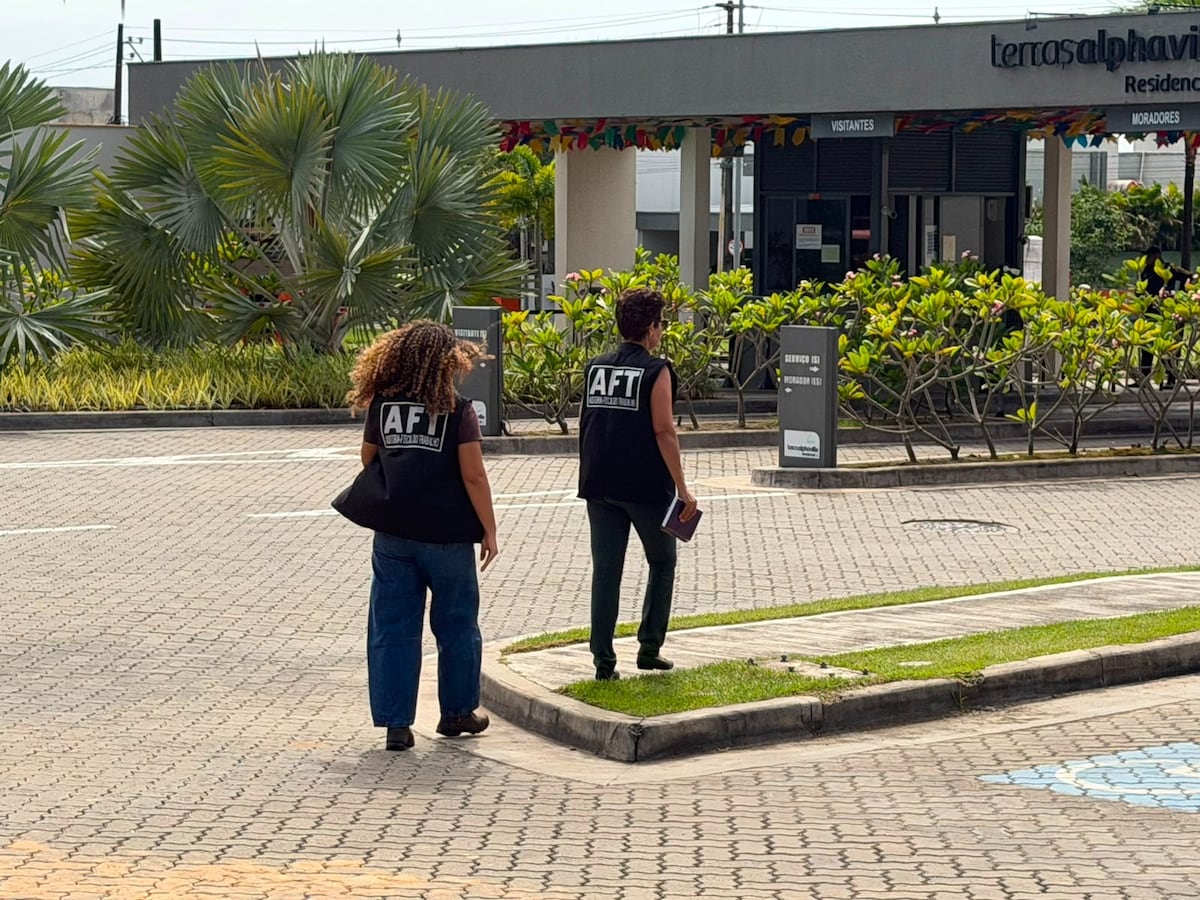
After more than half a century, Maria was finally rescued at the age of 62 in a city called Fortaleza. Government workers whose job is to stop unfair work (called the Labor Prosecutor’s Office) found her.
Here is what her life was like:
- She worked as a live-in helper for a family.
- She was never paid a single cent.
- She never got a day off for vacation.
- She never learned how to read or write.
A Life Inside a "Prison" at Home
Maria was treated like a slave by three generations of the same family. This is very unusual, but sadly, it has happened before. Every single day, she woke up at 4:30 a.m. to make breakfast and get the kids ready for school. She lived almost completely alone, with no contact with her own family or friends, and will stay with her employers for now while authorities try to find her relatives.
Important Point: Maria didn’t handle money, didn’t have a bank account, and had never even been to the beach by herself. A government lawyer named Maria Neuzeli (who specializes in stopping home slavery) said Maria “lived in a kind of prison” because she was scared of the outside world and thought the clothes and food she was given counted as payment.
Because Maria was taken in as a child, she didn’t understand that this was abuse — she had never known any other life. Even her own mother had worked for this same family!
The Big Picture: Why Does This Happen?
In Brazil, statistics show that Maria is part of a sad pattern: she was undoubtedly poor and most likely Black. More than six million Brazilian women clean houses, cook, and take care of kids for other families. They only got basic work rights a little over 10 years ago!
The family accused of hurting her is white and their last name is "Brasil" — which is extra symbolic because experts say this kind of mistreatment is a leftover from the days of slavery, which ended in Brazil back in 1888.
How the 55 Years Went By
Maria entered the family’s life around 1971 — the same year Henry Kissinger visited China, John Lennon wrote his famous song "Imagine," and Mexico hosted the first Women’s World Cup. Over the decades, she was passed down like an object through three couples:
- First generation: Two retired people.
- Second generation: A lawyer and a government worker (civil servant).
- Third generation: A veterinarian and another government worker.
The family is also suspected of cheating her. They allegedly stole about $115 a month from a government help program for poor people called Bolsa Família (Brazil’s flagship anti-poverty program). The family says the story isn’t true. Through their lawyers, they “categorically deny the allegations” and said they had a “relationship of coexistence, care, and affection” with Maria.
What Happens Now? The Agreement
The current employers (the third generation) made a deal with the government lawyers:
- They will buy Maria an apartment worth $30,000, fully furnished with appliances.
- They will also give her an extra $10,000 in cash as compensation.
The government made sure to say: “The signing of this agreement does not rule out the possibility that the worker may pursue individual claims through the courts.” So Maria can still ask for more help from a judge later if she wants.
Why is Maria Still Living With Them?
Many people were shocked and angry that Maria is, for now, allowed to stay with the very family that exploited her. Here is why experts say it’s complicated:
A top official named Luciano Aragão Santos explained that rescuing someone from a home is harder than from a field or factory because:
- The victim has lost the ability to do things on their own (autonomy).
- They have been cut off from family.
- They were denied school and doctor visits.
Important Point: Taking Maria away suddenly without a plan or friends to support her could actually cause her more harm than good. She needs a genuine effort toward social reintegration — restoring family connections and building an independent, dignified life. At 62, Maria is now at an age when wealthier Brazilians are already retired and get priority treatment in lines and on airplanes, but she is only starting to learn what freedom means.
How Did This Come to Light?
This terrible secret was discovered because someone anonymously told the authorities. More and more people in Brazil are learning to spot and report this kind of abuse. Every so often, Brazil is shaken by the rescue of a domestic worker who spent decades in slavery-like conditions in a normal-looking home; the stories follow a familiar pattern.
The big turning point was a woman named Madalena Gordiano, rescued in 2021. After receiving compensation from the affluent family that had enslaved her, she gained independence, made new friends, enjoyed swims in the ocean, took Zumba classes, and shared her newfound freedom on social media.
(Note: While the old "maid’s room" is slowly going away in Brazil, many buildings still have separate social and service elevators for workers and residents, showing how deep these inequalities run. Historical photos, like one from 1962 showing the Campinas domestic workers’ association in São Paulo, remind us this struggle is decades old.)
Summary
Maria’s story is a heartbreaking look at modern slavery hiding inside a regular home. Taken at age 7, she spent 55 years working without pay, unknowingly trapped by three generations of a family. Thanks to an anonymous tip, she is now safe and will get an apartment and money. While she stays with the family temporarily for her own emotional safety, the hope is that she will soon reunite with her loved ones and finally enjoy the free life she deserves — just like Madalena did.
FAQ (Frequently Asked Questions)
1. Why do we call her "Maria" if that isn’t her real name?
The government is hiding her real name to protect her identity. "Maria" is used by the news because it is the most common female name in Brazil, making it a safe placeholder.
2. What is Bolsa Família?
Bolsa Família is Brazil’s main program to fight poverty. It gives a small amount of money (around $115 a month in Maria’s case) to poor families so they can buy food and basics. The family allegedly stole Maria’s money from this program.
3. Will Maria be able to take the family to court later?
Yes. The agreement where the family buys her an apartment and pays $10,000 does not stop Maria from asking a judge for more help or justice in the future.
4. Are there other women like Maria?
Yes. While her case is extreme, over six million Brazilian women work as domestic helpers, and cases like Madalena Gordiano (rescued in 2021) show that this kind of hidden slavery still happens far too often.
5. Why didn’t Maria just leave if she was an adult?
Because she was taken at age 7, she never learned to read, handle money, or navigate the city. She was isolated and dependent, making it impossible for her to know how to leave or that she deserved better.