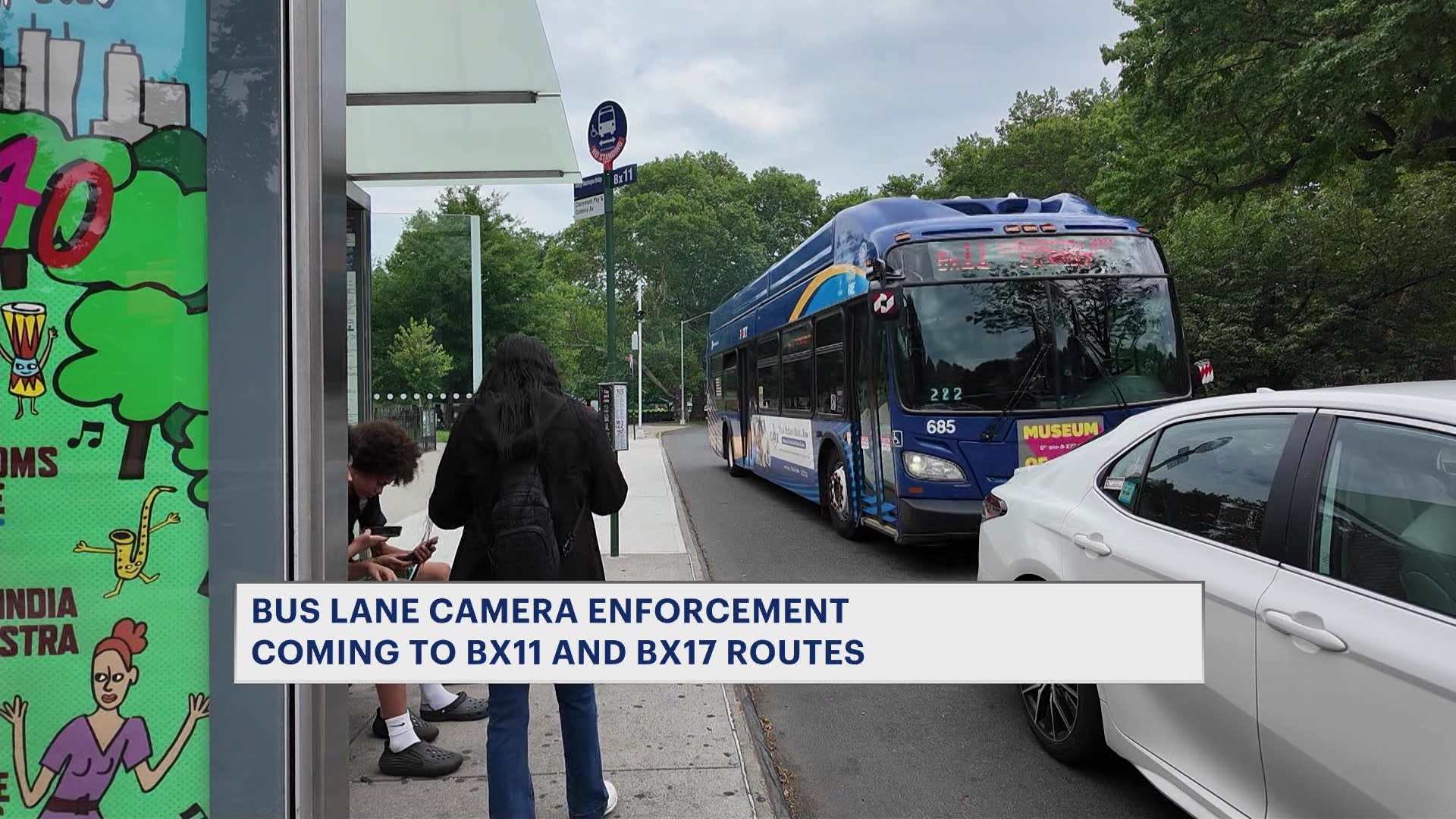
MTA Expands Bus Camera Enforcement to BX11 & BX17—Why It Matters
New Bus Cameras on BX11 and BX17: A Kid-Friendly Guide to the Changes
What’s the Big News?
Imagine you’re driving a car, and you decide to stop or park in a lane that is only for buses, or you block the spot where buses pick up people. On two specific bus routes in the Bronx called BX11 and BX17, the people who do this will soon be watched more closely.
The group that runs buses and trains in New York (called the MTA – think of them as the bus bosses) is going to start using more cameras to catch these mistakes.
What Is the Automated Bus Lane Enforcement Program? (ELI5 Version)
Okay, let’s break it down like you’re five:
- Bus lane: A special road strip where only buses are allowed to drive or stop.
- Bus stop: The spot where buses pause so people can get on or off.
- Automated enforcement: This means machines (cameras) do the watching instead of a person.
- Bus-mounted cameras: Small cameras attached to the front or side of buses that take pictures of cars that park where they shouldn’t.
The cameras are like little superhero eyes that look for:
- Cars parked or standing (waiting) in bus lanes.
- Cars blocking the special bus stop areas.
The Warning Period: A Practice Round
The MTA is being nice at first. Here’s how it works, step by step:
- Starting this Monday, the MTA begins a 60-day warning period for its automated bus lane enforcement program on the two Bronx routes (BX11 and BX17).
- During these 60 days, if you illegally stop or park in a bus lane or block a designated bus stop, you will get a warning notice in the mail. Think of it as a “Please don’t do that!” note—not a fine (no money taken).
- After the 60 days are over, the violations captured by the bus-mounted cameras will result in tickets. A ticket means you have to pay money as a punishment for breaking the rule.
Important Point: After the warning period ends, violations caught by the cameras will turn into real tickets (fines). So use the 60 days to learn the rules!
How Big Is This Program Now?
With the addition of the BX11 and BX17:
- The city’s automated enforcement program will now operate on 67 MTA bus routes.
- It will be on more than 1,900 buses (that’s a lot of camera-equipped buses!).
Why Are They Doing This?
The MTA says this program is like a helper for everyone:
- Better bus reliability: Buses can stick to their schedule (not late).
- Fewer delays: Buses don’t get stuck behind parked cars.
- More safety: Riders can get on and off without dodging traffic.
What Do Bus Riders Think?
A bus rider named Denise shared her hope:
“I’m hoping it gets better because when you promote change, you just got to flow with it for a while before it starts working, and maybe it will get people to stop parking in the bus lanes.”
In simple words: She thinks it might take time, but hopefully people will learn not to park in bus lanes, and buses will run smoother.
Summary
To wrap it up:
- Starting Monday, BX11 and BX17 routes get a 60-day warning period for bus lane cameras.
- Warnings first, then tickets after 60 days for drivers who illegally stop or park in bus lanes or block bus stops.
- The program now covers 67 routes and 1,900+ buses.
- Cameras are designed to identify vehicles that illegally park or stand in bus lanes or obstruct bus stops.
- Goal: improve bus reliability, reduce delays, and increase safety for riders.
- Riders like Denise hope it makes things better.
FAQ (Frequently Asked Questions)
1. What are BX11 and BX17?
They are two bus route numbers in the Bronx (a part of New York City). Buses with these numbers follow those paths.
2. What is a bus lane and why can’t I park there?
A bus lane is a part of the road marked only for buses. Parking there blocks the bus, like putting a toy in front of a train track—it stops the bus from doing its job.
3. Will I have to pay money right away if I park wrongly?
No! For the first 60 days on these routes, you’ll only get a warning note instead of fines. After that, you’ll get a ticket that costs money.
4. How do the cameras know it’s my car?
The cameras are mounted on buses and take pictures of vehicles that illegally park or stand in bus lanes or obstruct bus stops. The pictures capture the license plate, and the MTA sends the notice to the car owner.
5. Why should I care if I don’t ride the bus?
Because if you drive and accidentally park in a bus lane on these routes after the warning period, you’ll get a fine. Plus, better buses help everyone in the city move around more easily.