
Portland Smoke Finally Clears: Exact Timeline Revealed
Portland’s Air Quality Crisis: From World’s Worst to Rapid Improvement Expected
What’s Happening Right Now?
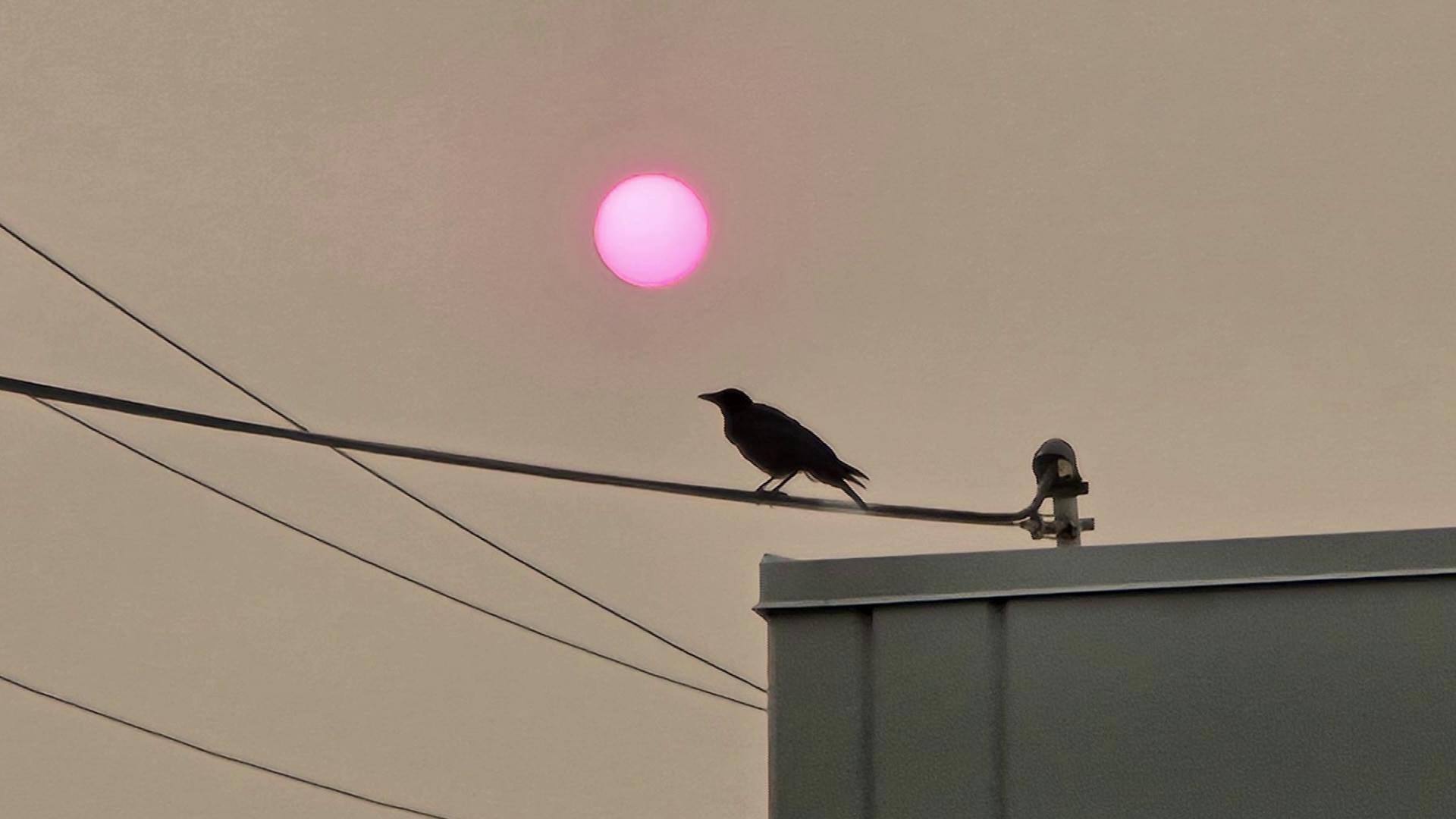
As of Wednesday evening, Portland, Oregon has been dealing with a serious air quality emergency. For a brief time, Portland actually had the worst air quality of any major city on the entire planet — thanks to thick smoke from wildfires burning on the east side of the Cascade Mountains.
IMPORTANT ALERT
An Air Quality Advisory for smog (ozone pollution) is in effect for the Portland metro area and several other parts of Oregon until Thursday at 10:00 PM. This is separate from the wildfire smoke advisory that has been in place since Monday.
The Good News: Rapid Improvement Coming
KGW Meteorologist Rod Hill says we should see a "rapid improvement" starting Thursday. Here’s why:
How the Weather Will Help
- Westerly winds are returning — winds blowing from the west (the ocean side) toward the east
- These winds will push the smoke back toward the east side of the mountains
- Central and eastern Oregon will also see clearing skies
Timeline for Cleaner Air
- Thursday late afternoon: Portland’s air quality expected to reach "Good" category
- Thursday & Friday: Hot, sunny days with clearer skies (highs in the mid-90s)
- This weekend: Cooler air moves in for relief
How We Got Here: A Quick Recap
| Day | What Happened |
|---|---|
| Monday | DEQ issues first air quality advisories for Portland metro and much of Oregon due to wildfire smoke |
| Tuesday | Advisory extended "until further notice" — eventually covered ~2/3 of Oregon counties |
| Wednesday | Wind direction changed — smoke that had been blowing east into Idaho reversed course and flooded central/western Oregon |
| Wednesday | NEW advisory issued for ozone pollution (smog) until Thursday 10 PM |
Two Different Pollution Problems
1. Wildfire Smoke (Particulate Matter)
- Source: Burning trees and vegetation
- What it is: Tiny particles floating in the air
- Status: Clearing rapidly starting Thursday
2. Smog / Ozone Pollution (NEW Advisory)
- Source: Human-made pollution + heat + sunlight
- What it is: A chemical reaction in the atmosphere
- Status: Advisory until Thursday 10 PM
How Does Smog Form? (Simple Explanation)
Think of it like a recipe for bad air:
Hot temperatures + Calm winds (no breeze) + Pollution from cars, gas engines, paints & aerosols + Sunlight = OZONE (SMOG)
The DEQ explains it this way: "These air pollutants react with sunlight and heat to produce ozone and haze."
Tricky Part About Smog
- Morning air might look okay on monitors
- But by afternoon/early evening — levels jump to unhealthy as the "recipe" cooks all day
- Peak danger time: Afternoon and early evening
Who Needs to Be Extra Careful?
Both smoke and smog can cause:
- Irritated eyes, nose, and throat
- Coughing and breathing difficulties
- Worsening of existing heart/lung conditions
Sensitive Groups (Take Extra Precautions)
- Children (their lungs are still developing)
- Pregnant people
- Older adults
- Anyone with heart conditions (like heart disease)
- Anyone with respiratory conditions (asthma, COPD, etc.)
What Should You Do Right Now?
Immediate Actions
- Check current air quality at AirNow.gov or your phone’s weather app
- Stay indoors when air quality is "Unhealthy for Sensitive Groups" or worse
- Keep windows/doors closed — use AC on "recirculate" if you have it
- Avoid strenuous outdoor activity — especially afternoon/evening when smog peaks
- Use air purifiers with HEPA filters if available
- Drink plenty of water to stay hydrated
Help Reduce Smog (Even Small Things Matter)
- Drive less — combine trips, carpool, or use transit
- Avoid idling your car
- Postpone using gas-powered lawn equipment (mowers, leaf blowers)
- Skip oil-based paints, solvents, and aerosol sprays until air improves
- Refuel vehicles in the evening when it’s cooler
Summary
| Key Point | Details |
|---|---|
| Current Status | Dual advisories: Wildfire smoke (improving) + Smog (until Thu 10 PM) |
| Turning Point | Thursday — westerly winds return, rapid clearing begins |
| Target | "Good" air quality by Thursday late afternoon |
| Weekend Outlook | Cooler temperatures, continued clean air |
| Biggest Risk Now | Afternoon/evening smog — even if morning looks clear |
| Most Vulnerable | Kids, pregnant people, seniors, heart/lung conditions |
FAQ: Your Questions Answered
Why did Portland briefly have the worst air in the world?
Wind patterns trapped massive amounts of wildfire smoke from eastern Oregon/Cascades fires right over the city. It was a "perfect storm" of fire activity + weather patterns.
Is the smog advisory related to the wildfires?
No — it’s a separate problem. Smog comes from everyday pollution (cars, engines, chemicals) reacting with heat and sunlight. The wildfires didn’t cause it, but the hot, stagnant weather helps both problems.
If the air looks clear in the morning, is it safe to exercise outside?
Not necessarily. Smog builds up through the day. Morning "Good" readings can become "Unhealthy" by 3–6 PM. Check hourly forecasts, not just the daily average.
Do masks help with smog?
Cloth/surgical masks don’t filter ozone gas. N95/KN95 masks help with smoke particles but not ozone. Best protection: stay indoors with filtered air during peak hours.
When will fire season end?
Oregon’s peak fire season typically runs July through September, sometimes into October. Weather changes (rain, cooler temps) eventually reduce fire activity, but exact timing varies yearly.
Final Thought
Hang in there, Portland! The worst is almost behind us. Thursday brings the wind shift we’ve been waiting for, and by the weekend, we should be breathing easy again. Until then — stay informed, stay indoors when needed, and look out for your sensitive neighbors.
Source: KGW News, Oregon DEQ, Meteorologist Rod Hill