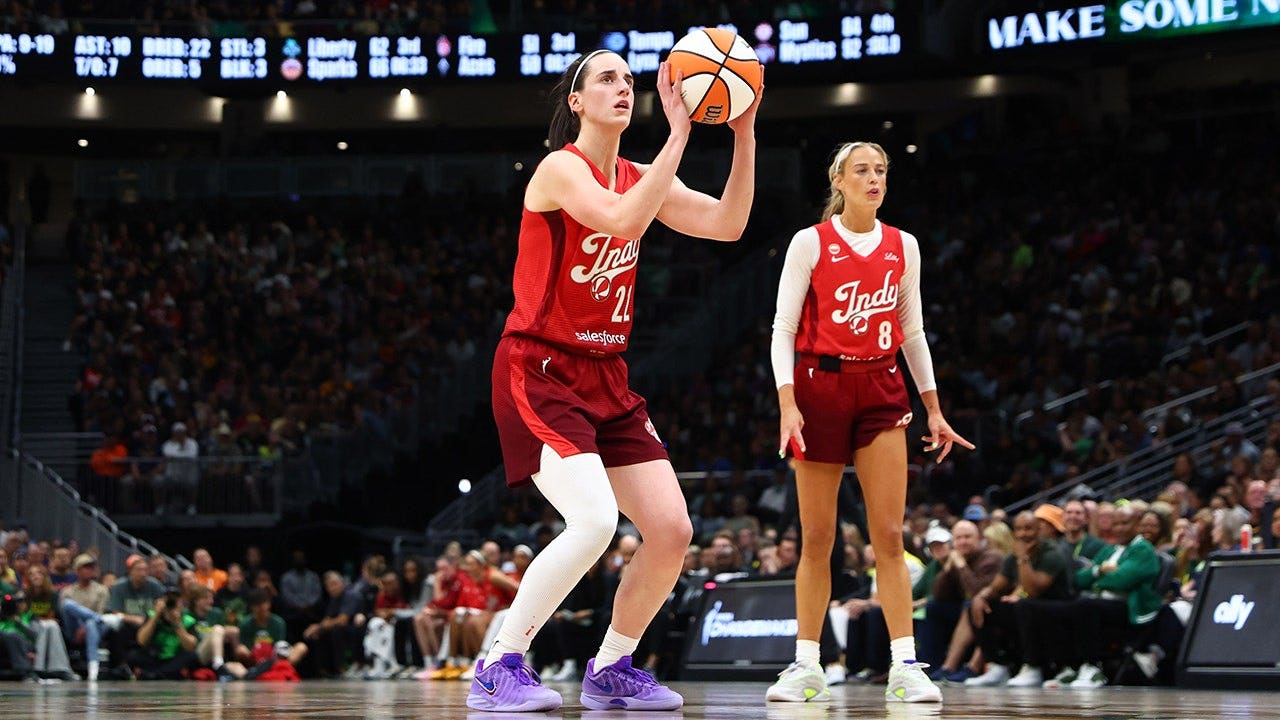
Elle Duncan Blames Caitlin Clark for Smear Campaign—Ignores Key Facts
The Caitlin Clark Media Storm: Why the Basketball Conversation Keeps Getting Derailed
What Started This Whole Thing?
Imagine you’re trying to watch a basketball game, but everyone around you keeps arguing about everything except the game. That’s basically what’s happening with Caitlin Clark and the WNBA right now.
Here’s the simple breakdown:
- Caitlin Clark is a superstar rookie for the Indiana Fever
- She’s incredibly popular and brings huge attention to the league
- But instead of talking about her passes, shots, and records, the conversation keeps turning into a cultural battlefield
- OutKick (a sports media company) wrote a column saying this won’t stop until the people creating the drama admit their part in it
Elle Duncan Enters the Chat
What Happened
Shortly after OutKick’s column was published, former ESPN host Elle Duncan responded on a podcast called "The Sports Gossip Show." But instead of agreeing that media plays a role, she flipped the script.
Duncan’s Main Argument
She said: Caitlin Clark and her fans are the problem. Clark should publicly denounce fans who "co-opt her name" for their own agendas.
What She Referenced
Duncan pointed to Clark’s recent comment to ESPN where Clark said:
"The media controls the narrative around me and is sometimes so far out of touch with what is reality."
Duncan’s counterpoint: The media didn’t make up that members of Congress are trying to get government involved in foul calls against Clark.
Important Context You Need to Know
The USA Today Op-Ed That Shocked People
Less than a week before Duncan’s comments, USA Today published an opinion piece arguing that Clark’s style of play could lead to Black and queer women being lynched like Emmett Till.
- This was a real, published article (not satire)
- It compared modern basketball to a 1955 racial murder
- Many people, including Riley Gaines, called it insane and dangerous
- This is the kind of "hysteria" OutKick was talking about
Caitlin Clark Has Already Said What Duncan Wants Her to Say
Here’s the awkward part: Clark already did exactly what Duncan says she hasn’t done.
Clark’s 2024 Statement
"People should not be using my name to push those agendas. It’s disappointing. It’s not acceptable. Treating every single woman in this league with the same amount of respect, I think, it’s just a basic human thing that everybody should do."
The Problem with Duncan’s Demand
- Clark can’t control random people on the internet — no one can
- By Duncan’s logic, Duncan would be responsible for every racist threat sent to Clark
- Clark has a job to do — play basketball at an elite level
Other Voices Weigh In
Kirsten Fleming (New York Post Columnist)
"No matter how many times CC has said the thing everyone wants her to say, it’s not enough. They demand more. They want her to respond to every drop of nonsense and give it way more oxygen than it deserves. It gives women a bad name. This isn’t Bravo, it’s hoops. Let her hoop."
Translation: Clark has apologized/denounced repeatedly. Critics keep moving the goalposts. Let her play basketball.
The "Fake Fans" Accusation
Duncan’s Claim
Duncan dismissed Clark’s supporters as "fake fans" because she assumes everyone approaches sports fandom through culture and identity politics.
The Article’s Counterargument
Most fans just like watching great athletes.
Examples of generational talents people loved purely for their game:
- Michael Jordan
- Tiger Woods
- Steph Curry
- Serena Williams
- Patrick Mahomes
The author calls this "projection" — Duncan assumes everyone thinks like she does, but they don’t.
OutKick’s Final Take
The Core Argument
The conversation cannot return to basketball as long as certain media figures keep fueling the fire.
Who They Name as "Bad-Faith Actors"
- Elle Duncan
- Monica McNutt
- Angel Reese
- Jemele Hill
- Nancy Armour
- And others
The Uncomfortable Accusation
The article argues these critics "resent Clark’s success" because she’s a straight White woman from Iowa transcending "their niche sport."
The Harsh Conclusion
Based on their commentary, the author believes these critics "would rather see the league revert to obscurity than succeed on the back of Caitlin Clark."
Summary: The Cycle in 5 Steps
- Clark plays amazing basketball → draws massive attention
- Media/players frame coverage around race, politics, identity → not basketball
- Outrageous takes get published (like the Emmett Till comparison)
- Clark denounces bad behavior → critics say it’s not enough
- Critics blame Clark/fans → media refuses accountability → repeat
Result: Nobody’s talking about pick-and-rolls or three-point percentages.
FAQ: Your Questions Answered
1. Did Caitlin Clark actually say the media controls the narrative?
Yes. She told ESPN: "The media controls the narrative around me and is sometimes so far out of touch with what is reality."
2. What was the USA Today article about?
An op-ed argued Clark’s playing style and popularity could endanger Black and queer women, invoking Emmett Till’s lynching. It was widely condemned as inflammatory and ahistorical.
3. Has Clark denounced fans using her name?
Yes, in 2024: "People should not be using my name to push those agendas. It’s disappointing. It’s not acceptable."
4. Why does OutKick blame the media?
They argue media figures like Duncan create narratives around race/identity, then blame Clark when those narratives cause division — while ignoring their own role in amplifying them.
5. Is this just about basketball?
The article argues no — it’s about whether a league can grow on merit, or if success must be filtered through political lenses. The author believes critics prefer "obscurity over success on Clark’s back."
Article based on OutKick column by Bobby Burack. Elle Duncan did not respond to OutKick’s request for comment before publication.