11
11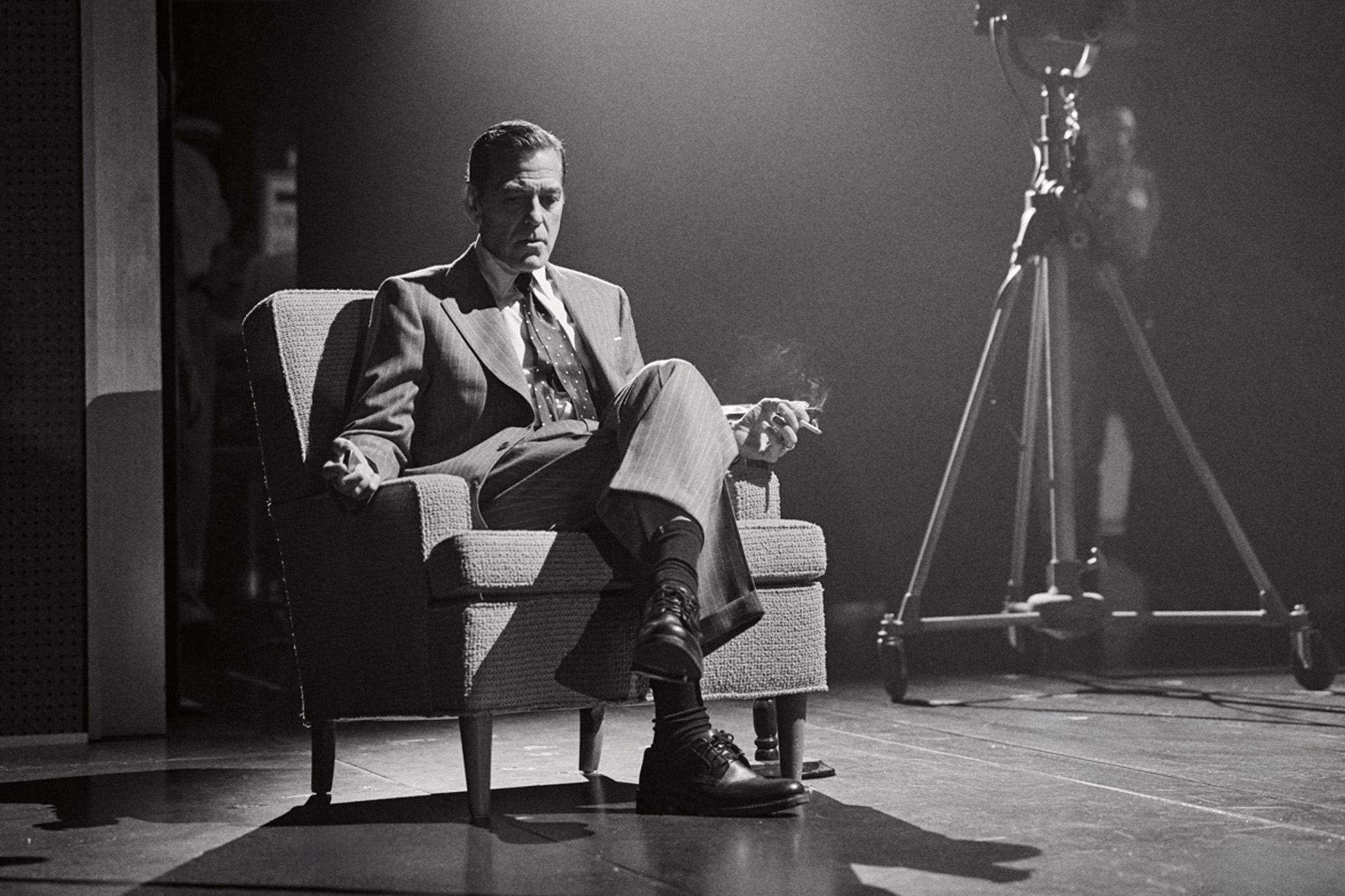
Imagine your favorite toy store is about to be bought by a giant corporation that only cares about spreadsheets, not toys. That’s basically what’s happening in Hollywood right now.
Here’s the situation in simple terms:
IMPORTANT POINT: This isn’t just business news. It affects what movies get made, what shows stay on air, and whether the people who actually create the magic have any say in their own industry.
Author J. Holtham has a wild proposal: What if George Clooney bought Warner Bros. instead?
Before you laugh, hear him out. This isn’t as crazy as it sounds.
| Reason | Why It Matters |
|---|---|
| 30+ years with Warner Bros. | He’s made hit after hit there: ER, Ocean’s Eleven, Syriana, Michael Clayton |
| He’s a proven producer | His company Smokehouse Pictures produced Argo — which won Best Picture Oscar |
| He named his company after a steakhouse across from the studio lot | That’s literally how much he loves the place |
| Journalism is in his blood | His dad, Nick Clooney, was a respected TV journalist for 40 years |
| He cares about news integrity | He wrote/directed Good Night, and Good Luck (about journalist Edward R. Murrow) and recently played Murrow on Broadway — CNN aired it live to 7.3 million viewers |
IMPORTANT POINT: Clooney isn’t just an actor. He’s a filmmaker with a track record of making good movies that make money and matter culturally.
In 1919, four of the biggest stars in the world — Charlie Chaplin, Mary Pickford, Douglas Fairbanks, and D.W. Griffith — got together and founded United Artists. They bet on themselves instead of working for studio bosses.
Holtham’s argument: If they could do it in 1919, why can’t today’s stars do it now?
Yes, but here’s the secret: So does Clooney’s consortium — they just use other people’s money differently.
IMPORTANT POINT: David Ellison is just the frontman for a pile of borrowed money. Clooney would be the frontman for a pile of talent, trust, and track record. Which sounds safer to you?
"Make good movies. Make good TV. Make things people love. Not to fill spreadsheet boxes — because you love the art."
IMPORTANT POINT: This isn’t just about one studio. It’s about whether the people who make culture get to steer the ship — or whether finance guys with spreadsheets do.
| Current Path | Clooney Path |
|---|---|
| $111B debt-fueled merger | Artist-led consortium |
| Foreign lenders control 50%+ | Stars + smart money partners |
| "Content" quotas to service debt | "Make things people love" |
| Uncertainty, lawsuits, fear | Optimism, agency, a great story |
The ball is in George’s court. As Holtham says: "What else do we do here except dream big?"
Nope! But neither does Larry Ellison — most of that money is borrowed. Clooney would raise money the same way: loans, investors, partners. The difference? Investors trust Clooney’s track record more than Ellison’s AI bets.
No more than Ellison would. Both would hire experienced executives. The difference is who sets the values — an artist who’s spent 30 years on the lot, or a tech billionaire who sees a studio as an asset class.
Not solo. But United Artists (1919) was founded by Chaplin, Pickford, Fairbanks, and Griffith — the biggest stars of their day. It worked for decades. Modern version: Reynolds + investors bought a soccer team and won. Same principle.
This might be Clooney’s superpower. His dad was a journalist for 40 years. He made Good Night, and Good Luck. He staged a Murrow play live on CNN — biggest non-presidential ratings of the year. He gets news integrity. Ellison writes op-eds citing Murrow. Clooney lives it.
Probably not. But as Holtham says: "Impossible problems require impossible solutions." Even floating the idea shifts the conversation — reminding everyone that Hollywood belongs to the people who make it, not the people who finance it.
Final Thought: The best Hollywood stories are about underdogs betting on themselves and winning. This would be the ultimate meta-movie — and we’d all get to watch it play out in real life.