11
11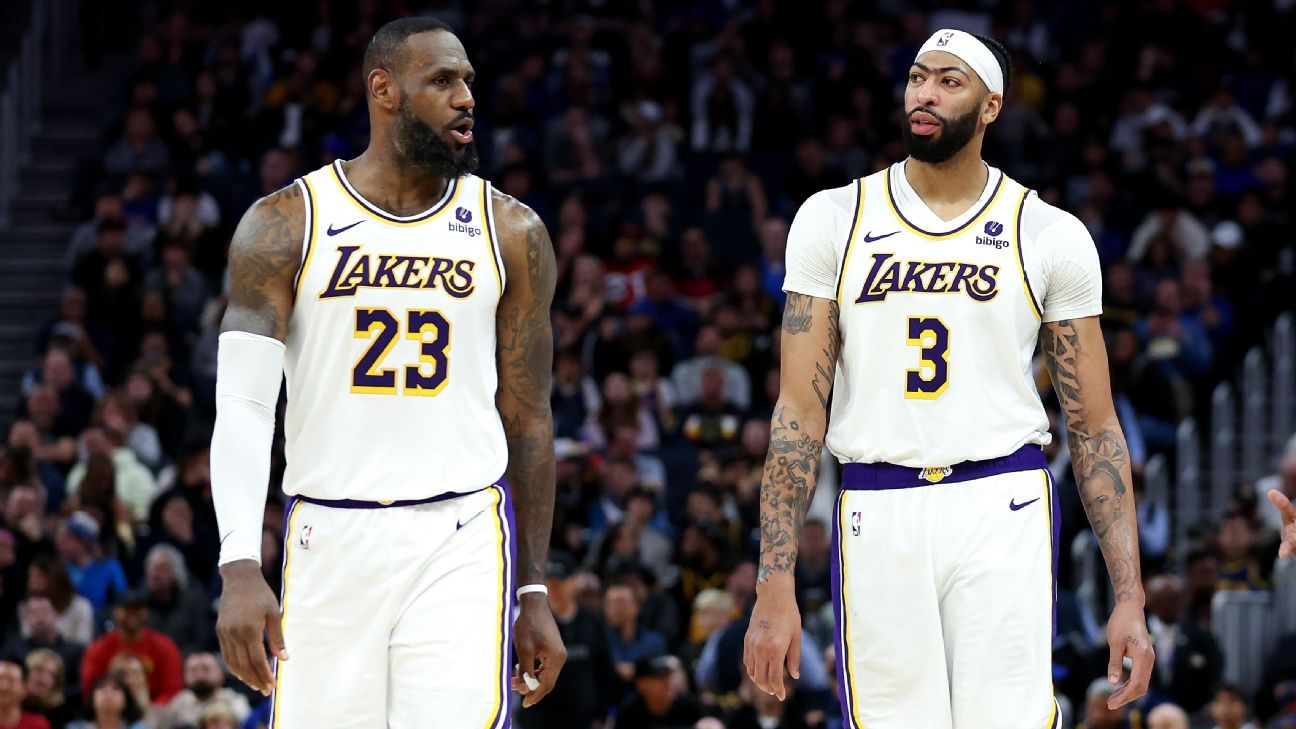
Imagine your favorite basketball team just found some extra money in their piggy bank and is now looking to buy the best toys on the shelf. That’s basically what the Golden State Warriors are doing!
Draymond Green, one of the Warriors’ star players, had a choice to make. He could have taken $27.6 million to stay with the team for one more year, or he could say "no thanks" open up opportunities for something bigger. He chose to say no — and that one decision just changed everything.
This week, the Warriors are making two huge moves:
Here’s a simple way to think about it:
Imagine you and your friends want to split a pizza, but you only have enough money for a small one. Then one friend says, "I’ll give up my slice so we can get a larger, fancier pizza with all the toppings." That’s what Draymond did!
Important Point: Green didn’t just randomly say no. Sources say this decision was part of a strategy — if it helped the team land a major upgrade, he would work on a new contract with a lower salary for next season.
Here’s where it gets really exciting. The Warriors have wanted to sign LeBron James for a while. But there was one problem:
Thanks to Draymond’s decision, the Warriors now have enough flexibility to offer something called the "$15.1 million nontaxpayer midlevel exception."
In plain English? That’s like a special spending cap the team has that lets them offer a player like LeBron a meaningful deal, even if it’s not a max contract.
The Warriors are also exploring a trade for Anthony Davis, who currently plays for the Washington Wizards. Here’s what that would look like:
But here’s the twist:
Important Point: The Warriors have told Jimmy Butler privately that they want to keep him. Many league sources believe the Davis trade talk is actually a motivational tactic — a way to make LeBron James more interested in joining the Warriors. LeBron and Davis won a championship together in 2020 and are still very close friends.
When asked about the trade rumors, Butler was pretty chill about it:
"You talking about being traded? It wouldn’t be the first time. [But] it’s good to know that I’m wanted here. If I get traded, I get traded. Their job is to win. Can I help them do that? Yes. If they feel like somebody else can help them do that on a quicker timetable than whenever I come back, then they got to go and do that, but as of right now, I’m here."
Basically, he’s saying: "I know how this business works. I’d love to stay, but I understand if they need to make a move."
Here’s a fun fact that ties everything together:
This means the same person is helping all three players make their career decisions. That makes negotiations and conversations a lot more connected than you might think!
Here’s the quick recap of everything that’s going on:
Q: What does "free agency" mean?
A: Free agency is like a job fair for basketball players. When a player is a "free agent," they can talk to any team and choose where they want to play next. LeBron James could potentially choose the Warriors or any other team.
Q: Why would Draymond Green turn down $27.6 million?
A: He didn’t necessarily turn it down forever — he turned down the guaranteed one-year option so the team could use that money to try to sign bigger stars. He and the Warriors can still work out a new deal, possibly at a lower salary for next season.
Q: What is a "player option"?
A: A player option is like a "choose your own adventure" clause in a contract. It lets the player decide whether they want to stay with the team for another year or become a free agent. Draymond chose to become a free agent.
Q: Could the Warriors really get both LeBron James AND Anthony Davis?
A: It’s complicated. Getting LeBron through free agency is one thing. Trading for Anthony Davis would require giving up a lot of salary (likely Jimmy Butler). Doing both would be extremely difficult under the NBA’s salary rules, but the Warriors are clearly exploring every possibility.
Q: What is the "nontaxpayer midlevel exception"?
A: It’s basically a special allowance the NBA gives teams to sign players, even if they’re already spending a lot on salaries. Think of it like a coupon that lets the team offer a player up to $15.1 million without getting hit with extra penalties.