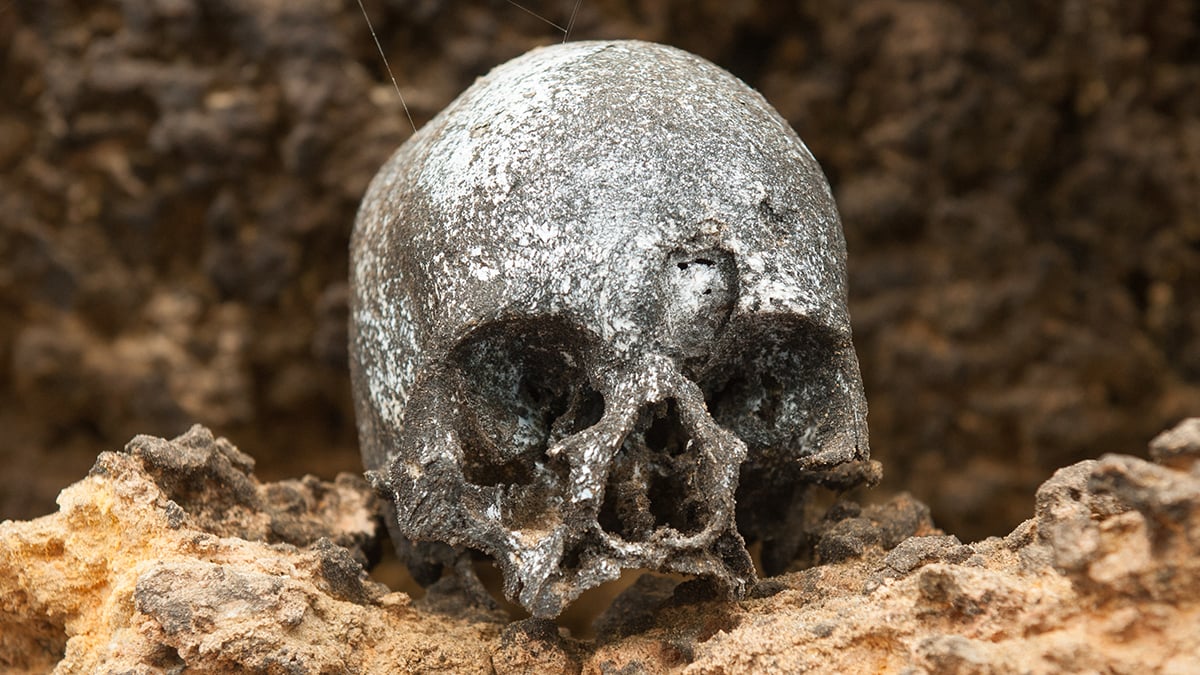
Solved: Ancient DNA Pinpoints Who Brought Smallpox to Americas
Ancient Mummies Reveal First Genetic Proof: Europeans Brought Smallpox to South America
Quick Summary: Scientists found smallpox virus DNA in 500-year-old mummies from Chile. This is the first genetic proof that Europeans brought the deadly disease to South America right after they arrived, causing massive population collapse in Indigenous communities.
What Is Smallpox and Why Does It Matter?
Smallpox was one of the deadliest diseases in human history. Here’s what you need to know:
- Caused by the variola virus – a tiny germ that spreads easily between people
- Killed millions – especially in the Americas after 1492
- Indigenous communities had zero immunity – their immune systems had never seen this virus before
- Eradicated in 1980 – thanks to global vaccination efforts, it no longer exists in nature
Think of it like this: Imagine a village where nobody has ever seen a cold. One visitor brings a sniffle. Within weeks, everyone is sick. That’s what happened with smallpox – but far deadlier.
The Big Discovery: Virus DNA in Ancient Mummies
For centuries, we only had written records (diaries, letters, reports) saying smallpox came with Europeans. Now, we have hard scientific proof.
How They Found It
- Two naturally mummified bodies were found in northern Chile
- Radiocarbon dating shows they died between 1492 and 1631 CE – right after Europeans arrived
- Scientists extracted ancient DNA from the remains
- They found variola virus DNA – the exact virus that causes smallpox
Important Point: This is the first time ancient smallpox DNA has been recovered from South America. Usually, DNA degrades too much over time in warm climates.
What the Virus DNA Tells Us
The researchers named this virus strain CAM9. By comparing its genetic code to other known strains, they made huge discoveries:
The Virus Family Tree
| Virus Group | Time Period | Location |
|---|---|---|
| Medieval European strains | Before 1492 | Europe |
| CAM9 (the new discovery) | 1492–1631 | Chile, South America |
| Modern 20th-century strains | 1900s | Worldwide |
- CAM9 sits right in the middle – like a missing link
- The two mummies had nearly identical virus genomes → they likely died in the same outbreak
- This proves smallpox reached South America very quickly after European contact
Simple Analogy: Finding CAM9 is like discovering a diary written by a European settler and their great-great-grandchild – but written in virus DNA instead of ink.
How the Virus Changed Over Time
The virus didn’t stay the same. Its evolution sped up and slowed down based on what humans were doing.
Evolution Slowdown (1500s–1700s)
- After arriving in the Americas, the virus mutated very slowly for ~200 years
- Why? Possibly because it spread fast in small, isolated populations – no pressure to change
Evolution Speedup (1800s)
- In the 19th century, mutation rate jumped up
- Researchers think mass vaccination campaigns forced the virus to adapt or die
- Like bacteria evolving antibiotic resistance – but for vaccines
Key Insight: Human actions (colonization, vaccination) directly shaped how the virus evolved. We’re not just victims – we’re part of the virus’s environment.
Why This Discovery Matters for Science Today
1. Confirms History with Hard Evidence
- No more relying only on written records (which can be biased or lost)
- Ancient DNA = time machine for pathogens
2. Shows How Viruses Respond to Human Events
- Colonization → viral spread
- Vaccination → viral evolution
- Helps us prepare for future pandemics
3. Highlights Scientific Treasures in the Global South
- Chile and other Global South nations hold rich archaeological sites
- But often, foreign researchers take samples away for analysis
- Local scientists get left out
A Call for Fairness in Scientific Research
"If we prioritize capacity building over exporting samples, it may take us longer to publish, but that knowledge will be rooted in the region, rather than extracted from it. It is worth the wait."
— Constanza de la Fuente Castro, University of Chile
The Problem
- Global North (wealthy nations) often funds and leads research
- Global South (where discoveries are made) provides samples but lacks labs/funding
- Local experts are sidelined
The Solution
- Build labs and train scientists in countries like Chile
- Analyze samples locally before sharing data globally
- Fair partnerships – not "parachute science" (fly in, take samples, leave)
Summary
- First genetic proof that Europeans brought smallpox to South America
- Found in two 500-year-old mummies from Chile (dated 1492–1631)
- Virus strain CAM9 links medieval European strains to modern ones
- Virus evolution slowed after arrival, then sped up during vaccination era
- Study proves human history shapes virus evolution
- Calls for equitable science – empowering Global South researchers
FAQ
What is "ancient DNA" and why is it hard to get?
Ancient DNA is genetic material from old remains. It breaks down over time – heat, moisture, and microbes chew it up. Getting readable virus DNA from 500-year-old mummies in a desert is like reconstructing a shredded book from confetti.
How do scientists know the two people died in the same outbreak?
Their virus genomes were almost identical. Viruses mutate slowly, so nearly matching DNA means the infections happened around the same time – like two people catching the same flu at a party.
What does "Global South" mean?
It refers to countries in Latin America, Africa, Asia, and Oceania – often formerly colonized, with less research funding. "Global North" means wealthy, industrialized nations (Europe, USA, Canada, etc.). The terms highlight inequality in science.
Could this virus come back?
No. The CAM9 strain is extinct. Smallpox was eradicated in 1980. But studying dead viruses helps us fight living ones (like monkeypox or future pandemics).
Why does virus evolution speed up during vaccination?
Vaccines create pressure: viruses that can evade immunity survive and spread. It’s natural selection – like weeds surviving herbicide. The 1800s vaccination drives were a massive selection event for smallpox.