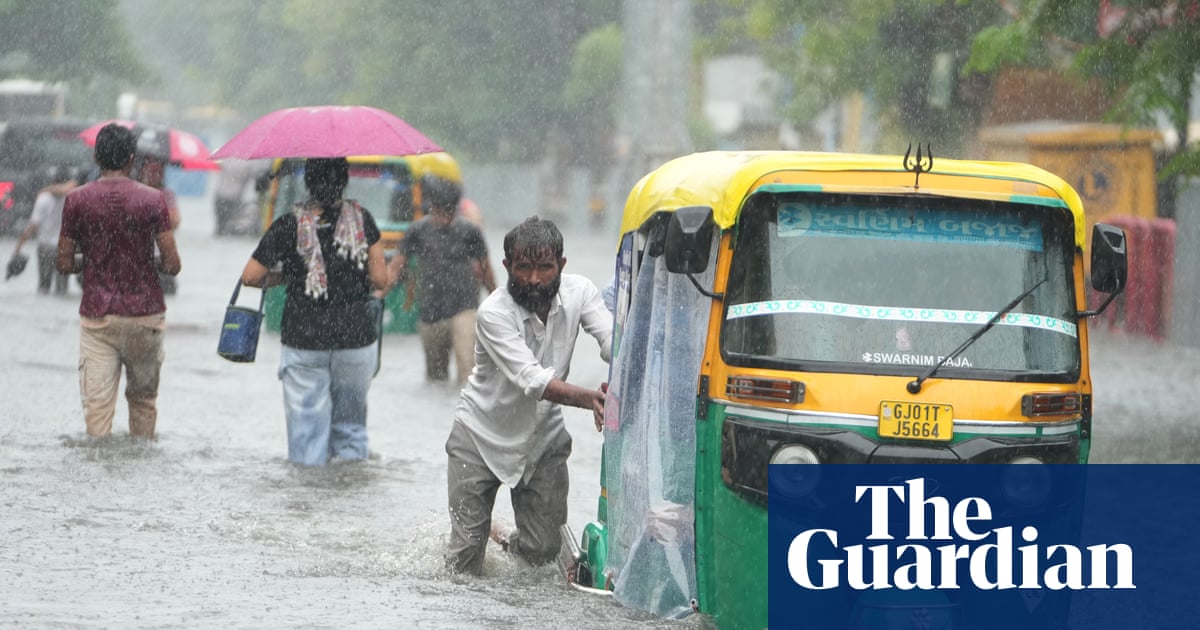
UN Warns Planet ‘On Fire’: India’s Monsoon in Peril
El Niño Is Getting Stronger: What It Means for Our Planet (Explained Simply)
What Is Happening Right Now?
Imagine Earth has a fever. Scientists are warning that a natural weather pattern called El Niño is getting much stronger than usual, and it’s making our already warming planet even hotter.
The United Nations (UN) and the World Meteorological Organization (WMO) have released new forecasts showing that from August to October, this strong El Niño will:
- Push global temperatures higher
- Cause heavy rains and floods in some places
- Create severe droughts and wildfires in others
- Put India’s crucial monsoon rains at risk
IMPORTANT POINT
UN Secretary-General António Guterres said this El Niño is "adding fuel to a planet already on fire" and pushing us into "uncharted territory." The Pacific Ocean waters driving this El Niño have never been this warm this early in the season.
What Is El Niño? (The Simple Version)
Think of the Pacific Ocean like a giant bathtub. Normally, trade winds push warm water toward Asia. But during El Niño:
- Winds weaken or reverse → Warm water sloshes back toward the Americas
- Ocean surface gets much warmer → This heats the air above it
- Weather patterns shift worldwide → Rain moves to different places, temperatures change globally
ELI5 ANALOGY
El Niño is like turning on a giant heater in the Pacific Ocean. That extra heat doesn’t stay there—it travels through the atmosphere and changes weather everywhere.
Why This Year Is Different: "Super El Niño"
| Normal El Niño | This Year’s "Super El Niño" |
|---|---|
| Happens every 2-7 years | Strengthened by climate change |
| Pacific warms moderately | Record-breaking ocean heat |
| Predictable impacts | More intense, less predictable |
| Lasts 9-12 months | Peaking August-October 2026 |
Scientists don’t officially use the term "super El Niño," but the WMO confirms this one will be significantly stronger and more intense than usual.
Where Will It Hit Hardest? (Regional Breakdown)
Wetter Than Normal (Flood Risk)
- Southern Europe
- Central Asia
- Horn of Africa
- Southeastern South America
Drier Than Normal (Drought & Wildfire Risk)
- India (monsoon rains weakened)
- Parts of equatorial Africa
- South & east Australia
- Large parts of South America
- Parts of North America
INDIA’S MONSOON IN DANGER
Indian farmers rely on monsoon rains for crops. Forecasts show "enhanced probability for below-normal rainfall" — meaning drought, floods, AND wildfire risk all around the Indian Ocean basin.
Extreme Weather We’re Already Seeing (Summer 2026)
- Record-breaking heatwaves starting in May in the UK
- Massive wildfires in France and Spain destroying villages
- Hundreds of thousands displaced from homes
- Marine heatwaves shocking scientists — some ocean areas 2.9°C above normal
- Excess deaths from heat nearly double in England
What Experts Are Saying
Celeste Saulo (WMO Secretary-General)
"El Niño is one of the most closely monitored climate phenomena. But forecasts don’t prevent hazards—people do. This gives governments a window to prepare and act before impacts unfold."
António Guterres (UN Secretary-General)
"Two months ago, El Niño was arriving on our doorstep. Now it’s inside the house, turning up the heat. Fossil fuels are fanning the flames. Expansion must stop."
CRITICAL WARNING
Guterres highlighted risks to workers worldwide: "Heat is claiming lives daily in every region. Billions of workers face dangerous, often life-threatening conditions."
What Needs to Happen Now? (Action Steps)
For Governments:
- Prepare emergency plans for heat, drought, floods
- Protect outdoor workers with cooling breaks, water, schedule changes
- Invest in early warning systems for communities
- Stop expanding fossil fuel projects (coal, oil, gas)
For Communities:
- Stay informed about local weather alerts
- Check on vulnerable neighbors (elderly, sick, children)
- Conserve water in drought-prone areas
- Have evacuation plans for flood/fire zones
For Individuals:
- Hydrate and avoid midday heat during heatwaves
- Reduce personal carbon footprint where possible
- Support climate action policies and leaders
- Prepare emergency kits for extreme weather
Summary: The Big Picture
| Key Fact | What It Means |
|---|---|
| El Niño is strengthening | Global temps will spike Aug-Oct |
| Oceans hottest on record | More energy for storms, heatwaves |
| India’s monsoon at risk | Food security threat for millions |
| Extreme weather already here | Not a future problem — happening NOW |
| Climate change makes it worse | Fossil fuels = fuel for the fire |
| We have a "window to act" | Preparation saves lives |
Bottom line: This isn’t just a weather report. It’s a warning that our climate system is shifting into dangerous territory. The choices made today by governments, businesses, and communities will determine how bad the impacts get tomorrow.
FAQ: Your Questions Answered
What exactly is El Niño?
A: It’s a natural climate pattern where the Pacific Ocean’s surface gets unusually warm, changing weather worldwide. Think of it as Earth’s "thermostat" getting turned up in the Pacific, which then affects the whole planet.
Is this caused by climate change?
A: El Niño itself is natural, but climate change is supercharging it. The oceans have absorbed 90% of excess heat from greenhouse gases, so when El Niño arrives, it starts from a much higher baseline temperature.
How long will this last?
A: This strong phase is forecast for August through October 2026, but impacts can linger. El Niño events typically last 9-12 months total.
Will my area be affected?
A: Check the regional breakdown above. Even if you’re not in a direct zone, global food prices, supply chains, and economic stability can be affected by major crop failures or disasters elsewhere.
What can I personally do?
A: Stay informed, prepare for extreme heat/floods, reduce energy use, vote for climate action, and support vulnerable people in your community. Every action counts when billions are at risk.
FINAL THOUGHT
As Celeste Saulo said: "The decisions we make today will shape the impacts we experience tomorrow." We’re not powerless — but we must act now, together.