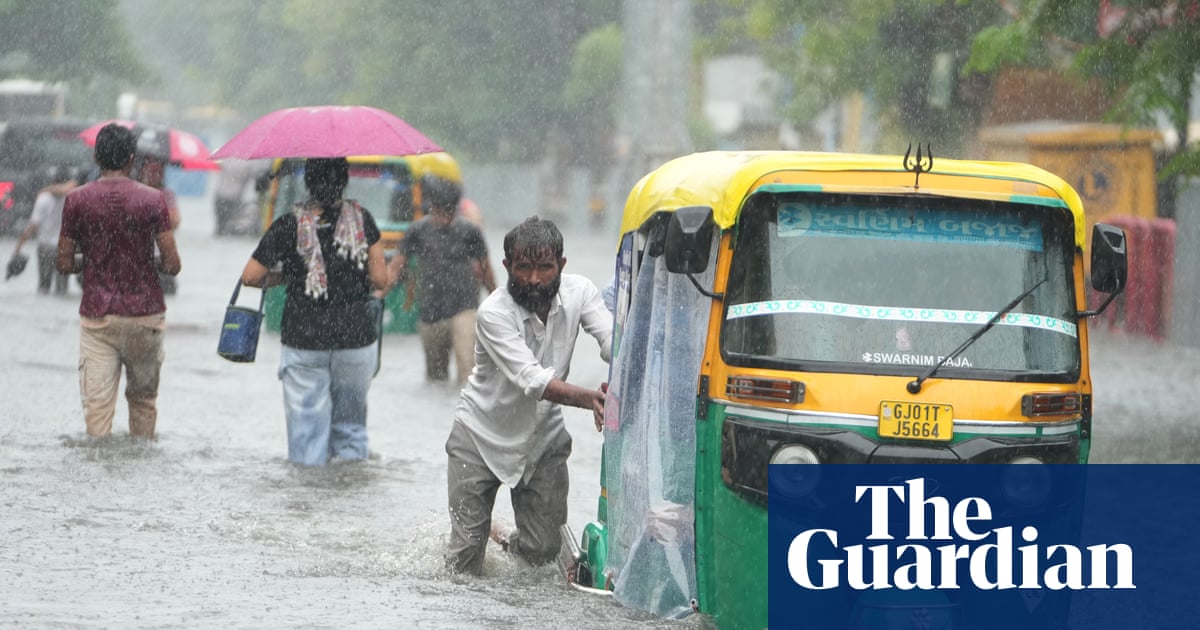
‘Planet on Fire’: UN Chief’s Dire Warning Threatens India’s Monsoon
El Niño is Getting Stronger: What It Means for Our Planet (Explained Simply)
What’s Happening Right Now?
Imagine the Pacific Ocean is like a giant bathtub. Usually, the water sloshes back and forth in a normal pattern. But right now, something unusual is happening – the water is getting much warmer than normal, and it’s happening earlier in the year than ever before.
This warm water pattern is called El Niño (say it like: el NEEN-yo). Think of it as nature’s way of turning up the thermostat on our planet.
Important Point: This isn’t just a regular El Niño. Scientists say it’s being "supercharged" by climate change, making it stronger and more intense than usual.
Who’s Warning Us?
Two very important groups are sounding the alarm:
| Person/Group | Role | What They Said |
|---|---|---|
| António Guterres | UN Secretary General | "El Niño is adding fuel to a planet already on fire… we are in uncharted territory." |
| Celeste Saulo | WMO Secretary General | "Forecasts don’t prevent hazards, people do. We have a window to act now." |
| World Meteorological Organization (WMO) | Global weather experts | Released official forecasts for August–October 2026 |
What Does the Forecast Say? (August to October)
The WMO’s latest update shows a clear pattern of winners and losers when it comes to rain and heat:
Places Expecting MORE Rain Than Normal
- Southern Europe
- Central Asia
- Horn of Africa
- South-eastern South America
Places Expecting LESS Rain (Drought Risk)
- India (monsoon may be weaker – bad news for farmers)
- Parts of equatorial Africa
- South and east Australia
- Large parts of South America
- Parts of North America
Everywhere: Higher Temperatures
- Global temperatures will rise
- Marine heatwaves could reach 2.9°C above normal in some ocean areas
Real-World Impacts We’re Already Seeing
This isn’t just about forecasts – it’s happening right now:
- UK – Record-breaking heatwaves started in May (earlier than ever)
- France & Spain – Massive wildfires destroying villages, displacing hundreds of thousands
- India – Monsoon arriving late, farmers worried about crops
- Oceans – Surface temperatures hit record highs in June
Important Point: The Pacific waters driving this El Niño "have never been this warm this early" – and they’re still getting warmer.
Why Is This El Niño Different?
Normal El Niño vs. This Year’s "Super" Version
| Feature | Typical El Niño | 2026 El Niño |
|---|---|---|
| Ocean warmth | Warm | Record-breaking warm |
| Timing | Peaks later | Early start, still rising |
| Intensity | Moderate | "Significantly stronger" (WMO words) |
| Climate change link | Natural cycle | Supercharged by human-caused warming |
Simple Explanation: Imagine El Niño is a fever the planet gets every few years. Climate change is like an underlying illness that makes the fever much worse and more dangerous.
What Needs to Happen Now? (Action Steps)
The experts are clear: We have a short window to prepare.
For Governments:
- Prepare emergency systems for heat, drought, and floods
- Protect workers – billions face life-threatening heat conditions
- Stop expanding fossil fuels – they’re "fanning the flames" (Guterres)
- Act on early warnings – forecasts don’t save lives, actions do
For Communities:
- Stay informed about local weather alerts
- Check on vulnerable neighbors during heatwaves
- Conserve water in drought-prone areas
- Have evacuation plans for wildfire/flood zones
Summary: The Big Picture
- El Niño is here and getting stronger – it’s a natural weather pattern supercharged by climate change
- Global temperatures will rise from August to October
- Rain patterns will shift dramatically – some places flood, others dry up
- India’s monsoon is at risk – threatening food security for millions
- We’re already seeing disasters – heatwaves, wildfires, record ocean heat
- Leaders say: ACT NOW – preparation saves lives, fossil fuels make it worse
- This is "uncharted territory" – we haven’t seen this combination before
FAQ: Your Questions Answered
What exactly IS El Niño? (Like I’m 5)
Think of the Pacific Ocean like a giant bathtub. Normally, strong winds push warm water toward Asia. During El Niño, those winds weaken or reverse, letting warm water spread back toward the Americas. This changes weather patterns all around the world.
Is this caused by climate change?
El Niño itself is natural – it happens every 2–7 years. But climate change makes it worse. The oceans have absorbed 90% of extra heat from greenhouse gases, so when El Niño arrives, it starts from a much warmer baseline. Like turning up the stove before boiling water.
Why does India’s monsoon matter so much?
Over 60% of India’s farmers depend on rain (not irrigation) for crops. The monsoon brings 70–80% of India’s annual rainfall. A weak monsoon means:
- Failed crops
- Higher food prices
- Water shortages
- Economic stress for millions
What’s a "marine heatwave"?
Just like land heatwaves, but in the ocean. Water temperatures stay unusually high for 5+ days. They:
- Kill coral reefs and fish
- Fuel stronger hurricanes/cyclones
- Disrupt fishing industries
- This year: some areas 2.9°C above normal – that’s HUGE for the ocean
Can we stop this El Niño?
No – it’s a natural cycle that will run its course (usually 9–12 months). But we can:
- Reduce future warming by cutting fossil fuels
- Prepare better for extreme weather
- Protect vulnerable people and ecosystems
- Learn from this to handle future events
Final Thought: As the WMO chief said: "The decisions we make today will shape the impacts we experience tomorrow." This El Niño is a preview of what a warmer world looks like – and a test of whether we’re ready to act.