 11
11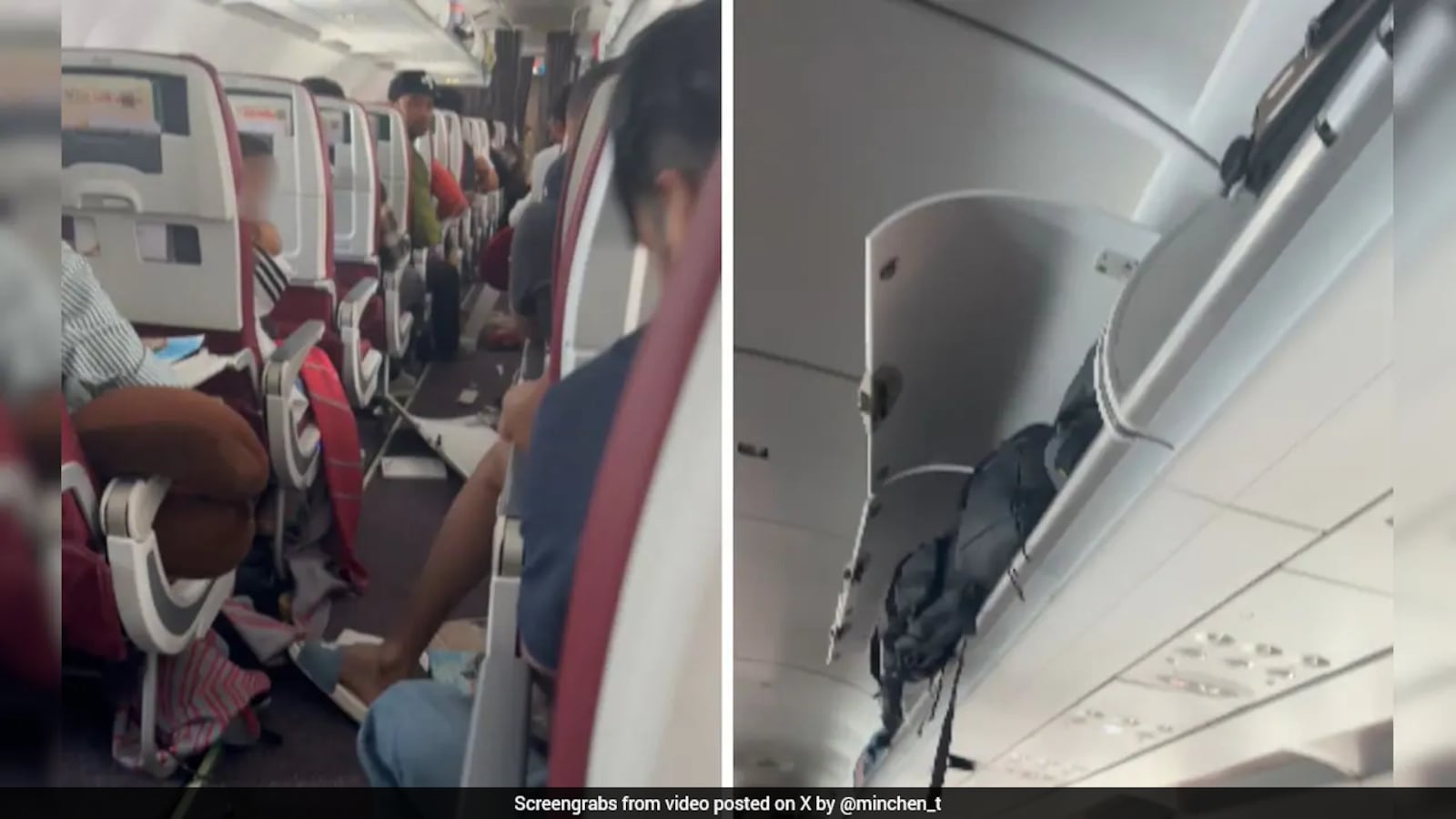
Imagine you’re on a plane flying from a beautiful beach vacation in Phuket, Thailand, back home to Delhi, India. Suddenly, the plane drops 300 feet out of nowhere—like an invisible giant pushed it down. That’s exactly what happened on Air India Flight AI2379 on August 4th.
Now, here’s the twist: The pilot who was flying the plane might have had drugs in his system. A test done right after the flight showed "psychoactive substances" (that’s a fancy word for drugs that affect your brain). But—and this is important—it’s not confirmed yet. A second test is being done to be absolutely sure.
Important Point: The Civil Aviation Minister called this a "serious incident." The aviation watchdog (DGCA) has started a full investigation. The plane’s "black boxes" (flight data recorder and cockpit voice recorder) have been secured for analysis.
| Offense | Consequence |
|---|---|
| 1st Time | Sent to rehabilitation → Can return only with a clean test |
| 2nd Time | License suspended for 3 years |
| 3rd Time | License cancelled permanently |
Important Note: Pilots must declare any prescription medicines before testing, because some medicines can look like drugs on the test.
"We know a test was done per protocol. But results haven’t been shared with us yet, so we can’t comment. Both pilots are off flying duty until the inquiry finishes. We follow all regulations and will cooperate fully."
"Screening test needs a confirmatory test. Final report is awaited. Action will be taken based on investigation outcome."
Confirmed Facts:
Still Unknown:
No. Turbulence is caused by weather/air currents, not pilots. But drugs could affect how well a pilot handles turbulence.
Not yet. The first test is just a screening. The confirmatory test (gold standard) isn’t back. Innocent until proven guilty applies here too.
No. Both pilots are "off roster" (grounded) until the investigation finishes.
Very. Airlines do random tests + mandatory post-incident tests. It’s a global aviation safety rule.
They must declare it before testing. If declared and legitimate, it’s usually not a violation. Undeclared meds = problem.
A scary flight led to a routine drug test. The first result raised a red flag, but the final answer isn’t in yet. The system is doing what it should: test → verify → act fairly.
Whether you fly once a year or once a week, this is how aviation keeps getting safer—by checking everything, even the pilots.
Stay informed. Fly safe.