11
11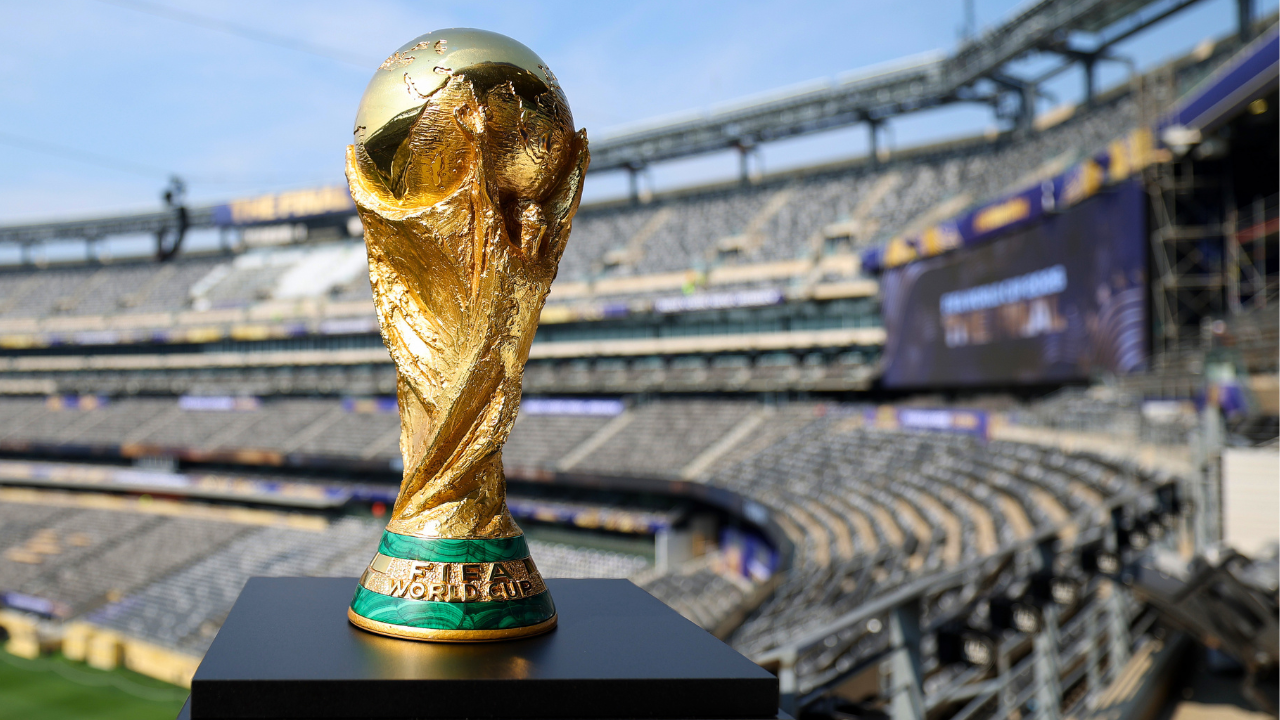
The biggest soccer tournament in the world is about to end! On Sunday, Argentina and Spain will play each other in the final match of the 2026 FIFA World Cup.
They are not just playing to hold the famous gold trophy. They are also playing for a record $50 million prize for the winner — the largest in World Cup history.
Important Point: This is the richest FIFA World Cup ever, and it ends with a final game where $50 million is on the line.
The 2026 World Cup was special for a few reasons:
The better a team did, the more money it made — like climbing stairs where each step pays more.
Before any game was played, every country that made it to the World Cup got a nice chunk of cash:
That means every team was guaranteed at least $12.5 million before kicking the ball once!
Here is what teams earned based on how far they went:
Important Point: The final alone has a $17 million difference between winning and losing ($50M vs. $33M).
The United States team made it to the Round of 16 but lost to Belgium. Because of that, the U.S. earned $15 million in performance prize money.
To see how huge this got, let’s look back:
The cash goes to each country’s soccer federation (the main soccer organization in that country). That group decides how to share it with:
The 2026 World Cup was also the first ever jointly hosted by three countries:
The 2026 FIFA World Cup is the richest ever, ending Sunday with Argentina vs. Spain for $50 million. It had 48 teams and 104 matches, and FIFA gave out $871 million total. Every team got at least $12.5 million before playing, and prizes grew as teams advanced. The U.S. earned $15 million by reaching the Round of 16. Compared to 1982, the champion’s prize is over 20 times bigger. The tournament was also the first hosted by three nations: USA, Canada, and Mexico.
Q: What is the FIFA World Cup?
A: It is a big international soccer tournament where countries compete to win the sport’s most famous trophy.
Q: Why is the 2026 World Cup called the richest ever?
A: Because FIFA gave out a record $871 million total, and the winner will get a record $50 million.
Q: Did the U.S. win money even though they didn’t win the tournament?
A: Yes! The U.S. reached the Round of 16 and earned $15 million in prize money.
Q: Who keeps the prize money?
A: Each country’s soccer federation gets it and decides how to split it among players, coaches, and programs.
Q: Which countries hosted the 2026 World Cup?
A: The United States, Canada, and Mexico hosted it together — a first in history.