11
11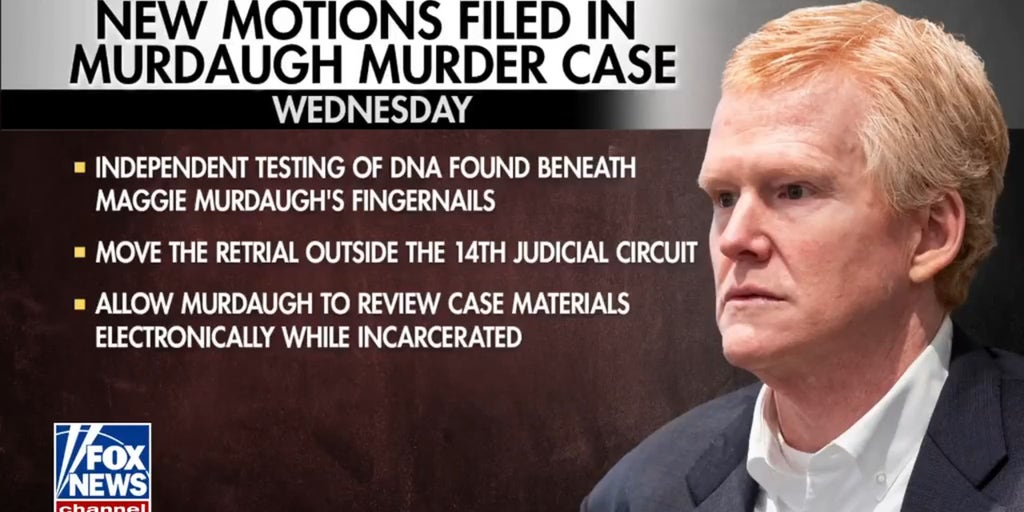
If you’ve been following the Alex Murdaugh murder case — one of the most talked-about trials in America right now — there’s a brand-new twist. His defense team has just filed some important legal papers that could change the direction of the case.
So, what’s happening? Let’s break it down.
The defense team wants to take a closer look at DNA evidence that was found under the fingernails of Maggie Murdaugh, one of the victims. Here’s the key request:
Think of it like this: imagine you graded your own child’s homework. It’s probably fine, but having another teacher double-check it makes the result a lot more trustworthy.
Donna Rotunno is a well-known criminal defense attorney. She gained national attention for defending high-profile clients. Now, she’s weighing in on the new motions in the Murdaugh case. Her main message is simple but powerful:
Every piece of available DNA evidence should be tested — no matter what it reveals.
Rotunno stresses that the DNA evidence could potentially point to anyone involved, and the defense wants to ensure no stone is left unturned.
Here’s why this is such a big deal:
In short, the defense is saying: "Let’s make 100% sure we got this right so that justice is truly served."
The legal steps ahead may include:
Important Point: The defense is not saying Alex Murdaugh is innocent or guilty. What they are saying is that getting the DNA evidence right — through additional testing — helps ensure a fair process for everyone involved.
Q1: What is the Alex Murdaugh case about?
Alex Murdaugh is a former South Carolina lawyer from a prominent legal family who is currently charged with the murders of his wife, Maggie Murdaugh, and his son, Paul Murdaugh.
Q2: Why is independent DNA testing important here?
Independent testing adds an extra layer of trust in the evidence. If there’s any chance the DNA could help the defense, they want to make sure it’s reviewed carefully and transparently.
Q3: Who is Donna Rotunno?
Donna Rotunno is a criminal defense attorney known for defending high-profile clients. She’s offering expert commentary on the Murdaugh case.
Q4: Does this new motion mean the trial might change?
Potentially, yes. The results of an independent DNA analysis could introduce new evidence that hasn’t been considered before, which might affect the direction of the case.
Q5: Will the public know the results of the DNA?
The public will likely be informed, but the legal process may place restrictions, especially if the case is still ongoing.