Record-Breaking Heat Wave Engulfs South: Dozens to Fall
Dangerous Heat Wave Grips the Southern U.S.: What You Need to Know
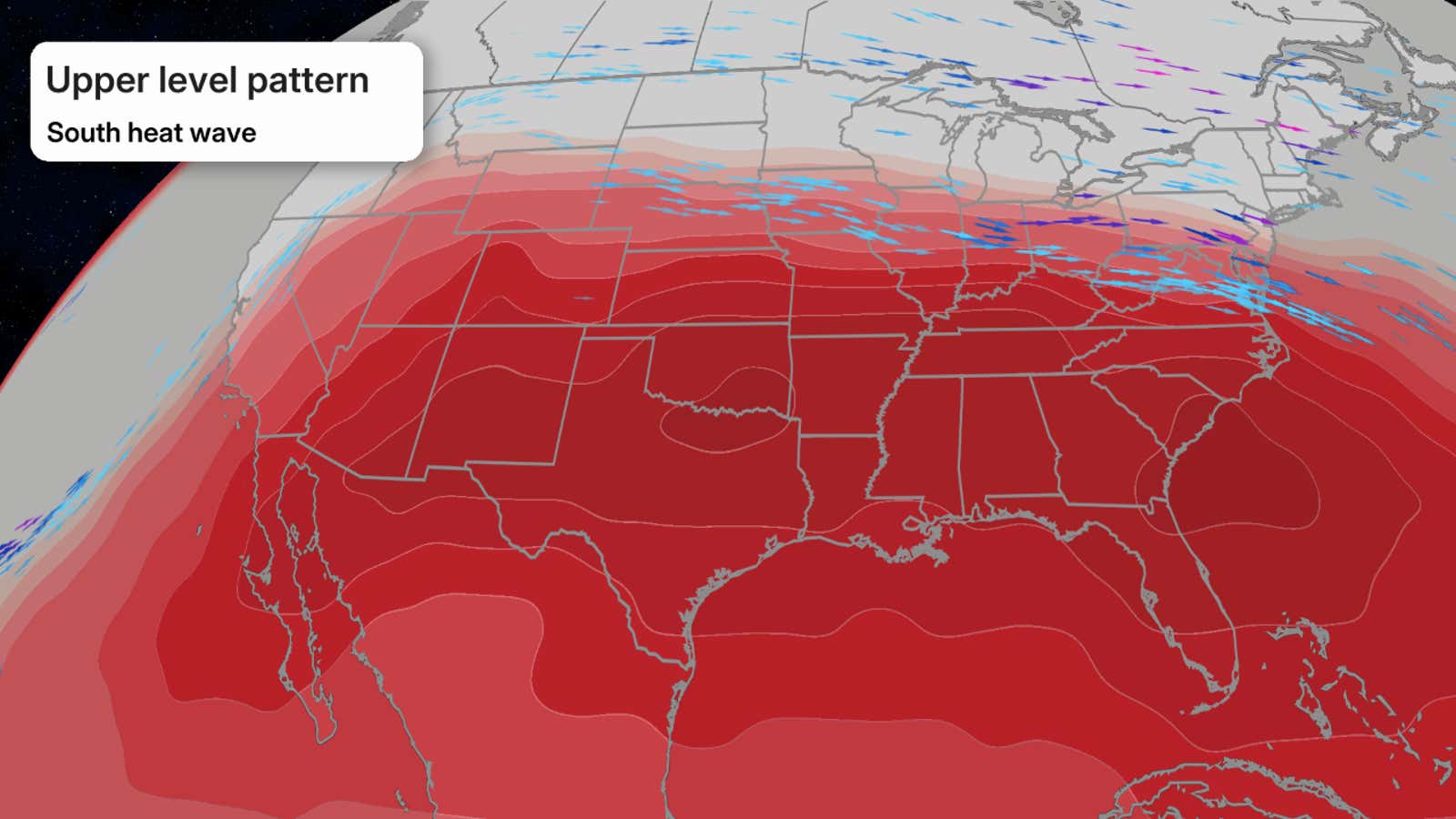
A dangerous heat wave is currently baking the Southern United States, and it’s not going away anytime soon. From Texas to Florida and up through the Carolinas, millions of people are facing triple-digit temperatures, stifling humidity, and very little relief even at night. This guide breaks down what’s happening, why it’s dangerous, and exactly what you can do to stay safe.
Where It’s Hot Right Now
It’s already hotter than normal for August across the South. The combination of high heat and extremely muggy air has pushed the "feels like" temperature (heat index) above 105°F, and in some places over 110°F.
Areas currently experiencing the worst heat:
- Southern Georgia
- Coastal South Carolina
- Florida Panhandle
- Mid-South region around Memphis, Tennessee
What is the Heat Index?
The heat index tells you how hot it feels to your body when you combine the actual air temperature with the humidity. High humidity makes it harder for sweat to evaporate, which is how your body cools itself. So a temperature of 95°F with high humidity can feel like 110°F or more!
Current Temperature Map
View current actual temperatures across the U.S. →
Heat Alerts in Effect
The National Weather Service has issued heat advisories and extreme heat warnings across the region. These alerts mean conditions are dangerous enough to cause heat exhaustion or heat stroke if you don’t take precautions.
View current heat alerts → | View dew point map →
IMPORTANT: Heat Alerts Explained
- Heat Advisory: Heat index values are expected to reach 100-105°F. Take precautions.
- Extreme Heat Warning: Heat index values are expected to reach 105°F or higher for several hours. This is life-threatening. Take immediate action to stay cool.
How Hot Will It Get?
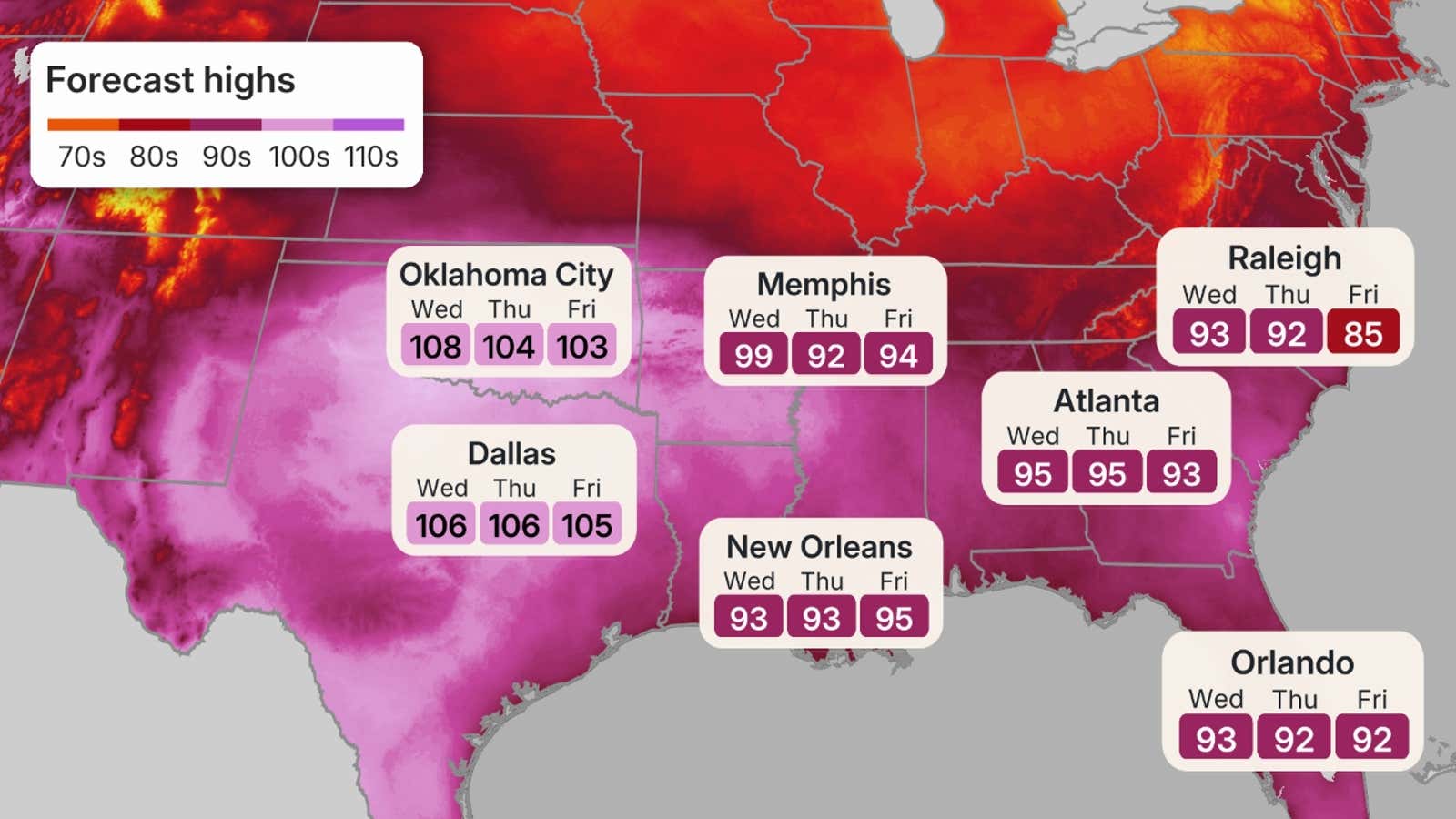
Almost the entire South will see highs in the mid-90s at minimum. But many areas — especially inland away from the Gulf Coast — will climb into the upper 90s and 100s.
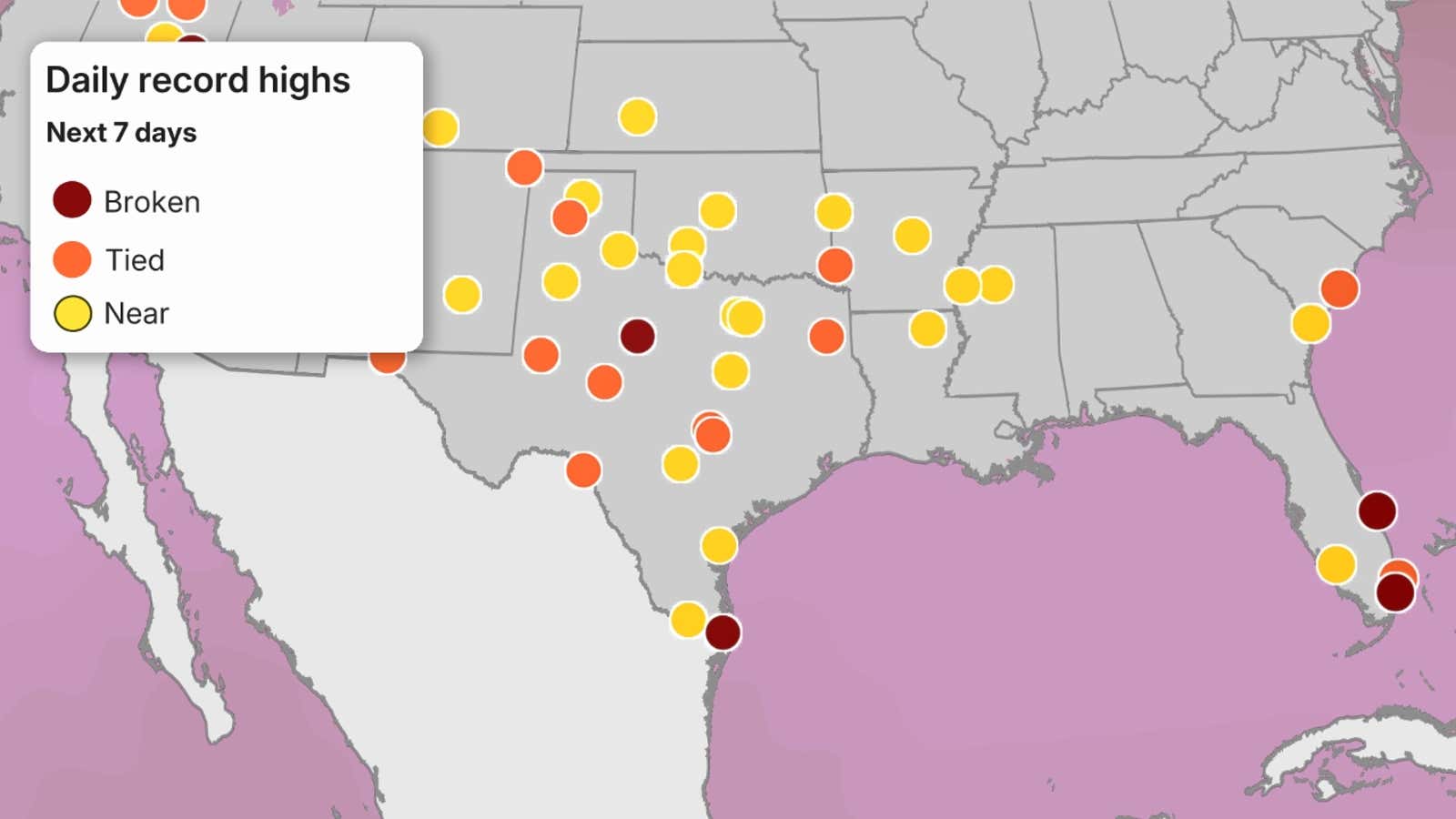
Daily Record Highs at Risk
This heat is strong enough to break daily temperature records across the region, particularly from the lower Mississippi Valley to Florida and the Carolinas.
Related: Should you turn off your A/C or leave it on when you leave home?
Little Relief at Night
One of the most dangerous parts of this heat wave? Nighttime brings little cooling.
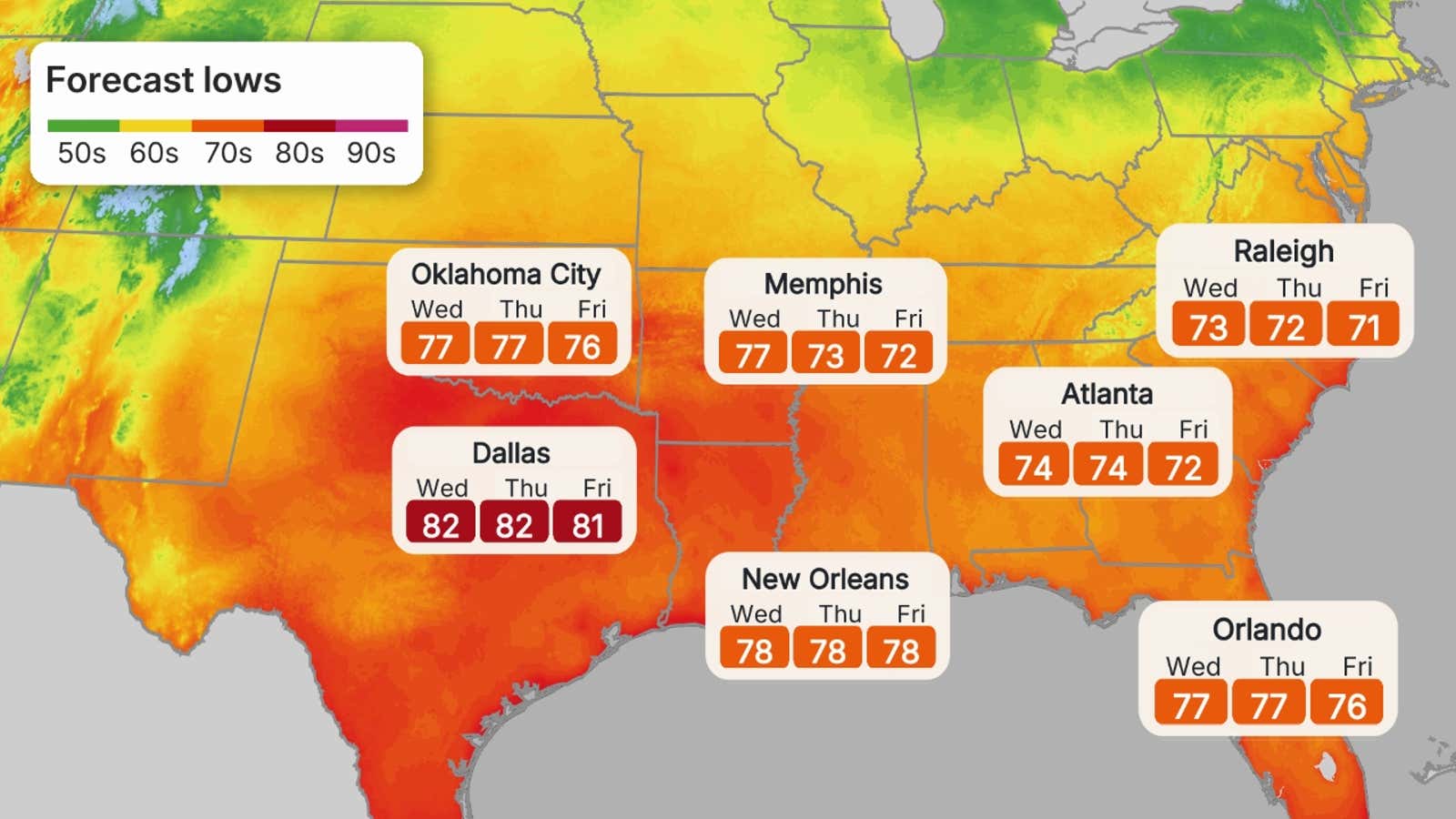
- Morning lows in many areas won’t drop below the mid-70s°F
- In large cities (like Atlanta, Dallas, Houston), overnight "lows" may only reach the low 80s°F
Why Nighttime Heat Is Dangerous
Your body needs cooler temperatures at night to recover from the day’s heat. When it stays hot overnight — especially in cities where buildings and pavement hold heat — people without air conditioning are at much higher risk of heat illness. Learn more about nighttime heat dangers →
How Long Will This Last?
| Region | Expected Relief |
|---|---|
| Kentucky, Tennessee, southern Appalachians | Slight relief by late this weekend |
| Rest of the South (Texas to Carolinas) | Heat continues through at least next week, possibly longer |
The Culprit: A "Heat Dome"
This stubborn heat is being caused by a heat dome — a large area of high pressure in the atmosphere that acts like a lid on a pot. It traps hot air underneath it and prevents storms or cooler air from moving in.
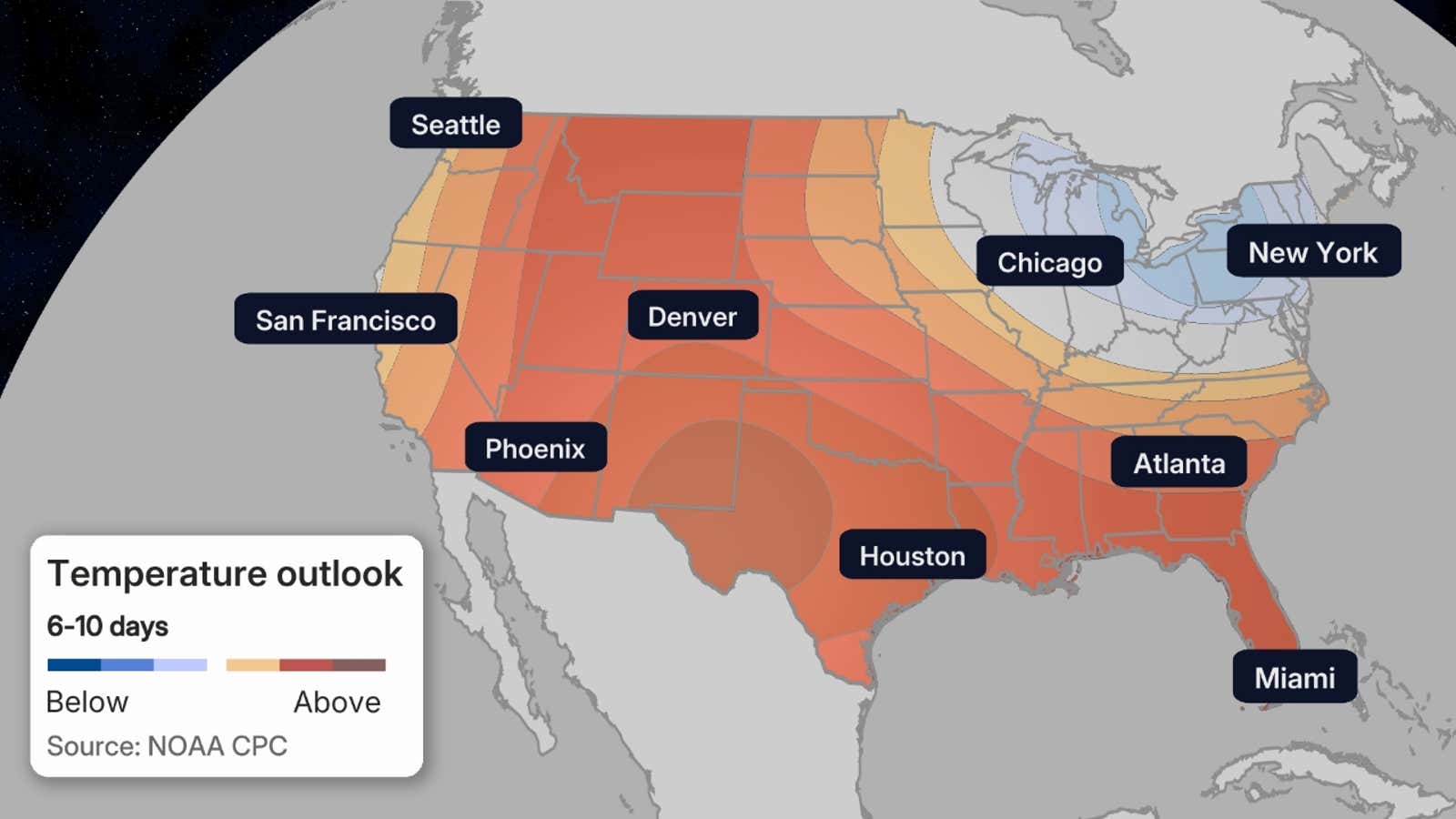
What Is a Heat Dome?
Think of a heat dome like a giant invisible lid placed over the South. High pressure pushes air down toward the ground. As that air sinks, it compresses and heats up. The "dome" also blocks clouds and rain, so the sun just keeps baking the ground day after day. Read the full explanation →Climate Context: Earth just tied its hottest month on record, and heat waves like this are becoming more frequent and intense due to climate change.
What You Should Do: 5 Steps to Stay Safe
CRITICAL FACT: Heat is the #1 weather-related killer in the U.S., causing hundreds of deaths each year. Source
The combination of daytime heat + high humidity + hot nights for multiple days in a row is especially dangerous for:
- People without air conditioning
- Older adults
- Young children
- People with chronic illnesses
- Outdoor workers
Your 5-Step Heat Safety Plan
-
Check on vulnerable people — Call or visit family, friends, elderly neighbors, and anyone with health conditions who may not have A/C.
-
Stay indoors during peak heat — Avoid being outside between 10 AM and 6 PM when the sun is strongest.
-
If you must go outside:
- Take frequent breaks in shade or A/C
- Avoid strenuous activity
- Drink water constantly — don’t wait until you’re thirsty
- Wear loose, lightweight, light-colored clothing
-
Use air conditioning — If you don’t have A/C at home, go to a cooling center, library, mall, or community center during the hottest hours.
- Know the warning signs of heat illness:
- Heat exhaustion: Heavy sweating, weakness, dizziness, nausea, headache
- Heat stroke (EMERGENCY): Hot/dry skin, confusion, fainting, temperature above 103°F — Call 911 immediately
Expert Advice: Heat safety tips from an ER doctor →
Summary
- A dangerous, long-lasting heat wave is gripping the South from Texas to the Carolinas
- Heat indices are reaching 105–110°F+ with triple-digit actual temperatures in many areas
- Nighttime temperatures stay in the 70s to low 80s, offering little relief
- The cause is a stubborn heat dome that could keep this pattern in place through next week or longer
- Heat is the #1 weather killer — take this seriously, check on others, and follow the 5 safety steps above
Frequently Asked Questions
1. What’s the difference between a heat advisory and an extreme heat warning?
A heat advisory means heat index values of 100–105°F are expected — take precautions. An extreme heat warning means heat index values of 105°F+ are expected for several hours — this is life-threatening and requires immediate action to stay cool.
2. Why does humidity make heat so much more dangerous?
Your body cools itself by sweating. When humidity is high, sweat can’t evaporate as easily, so your body can’t cool down effectively. This makes the "feels like" temperature (heat index) much higher than the actual thermometer reading.
3. What should I do if my power goes out during a heat wave?
- Go to a designated cooling center (check your local government website)
- Stay on the lowest floor of your home (heat rises)
- Keep blinds/curtains closed to block sun
- Drink water constantly, even if not thirsty
- Wet towels or clothes and place them on your neck, wrists, and ankles
- Never use a generator indoors — carbon monoxide kills
4. Are pets at risk in this heat?
Yes, absolutely. Dogs and cats can’t sweat like humans. Never leave pets in parked cars (even with windows cracked). Limit walks to early morning/evening. Provide unlimited fresh water and shade. Watch for excessive panting, drooling, or lethargy — these are emergency signs.
5. How can I help elderly neighbors who might not have air conditioning?
- Check on them at least twice a day (morning and evening)
- Offer a ride to a cooling center, library, or mall
- Bring them cold water and electrolyte drinks
- Help them set up fans and close blinds
- Know the signs of heat illness and call 911 if they seem confused, dizzy, or stop sweating
Article based on reporting by Jonathan Erdman, senior meteorologist at weather.com, covering national and international weather since 1996.