Switched at Birth 38 Years Ago: Men Sue Hospital After Shocking DNA Twist
Two Men Switched at Birth 38 Years Ago Say a Hospital Took Their Real Lives Away
What Happened?
Imagine you’re a baby born in a hospital. A mix-up happens, and you go home with the wrong family. That’s exactly what happened to two men in North Dakota.
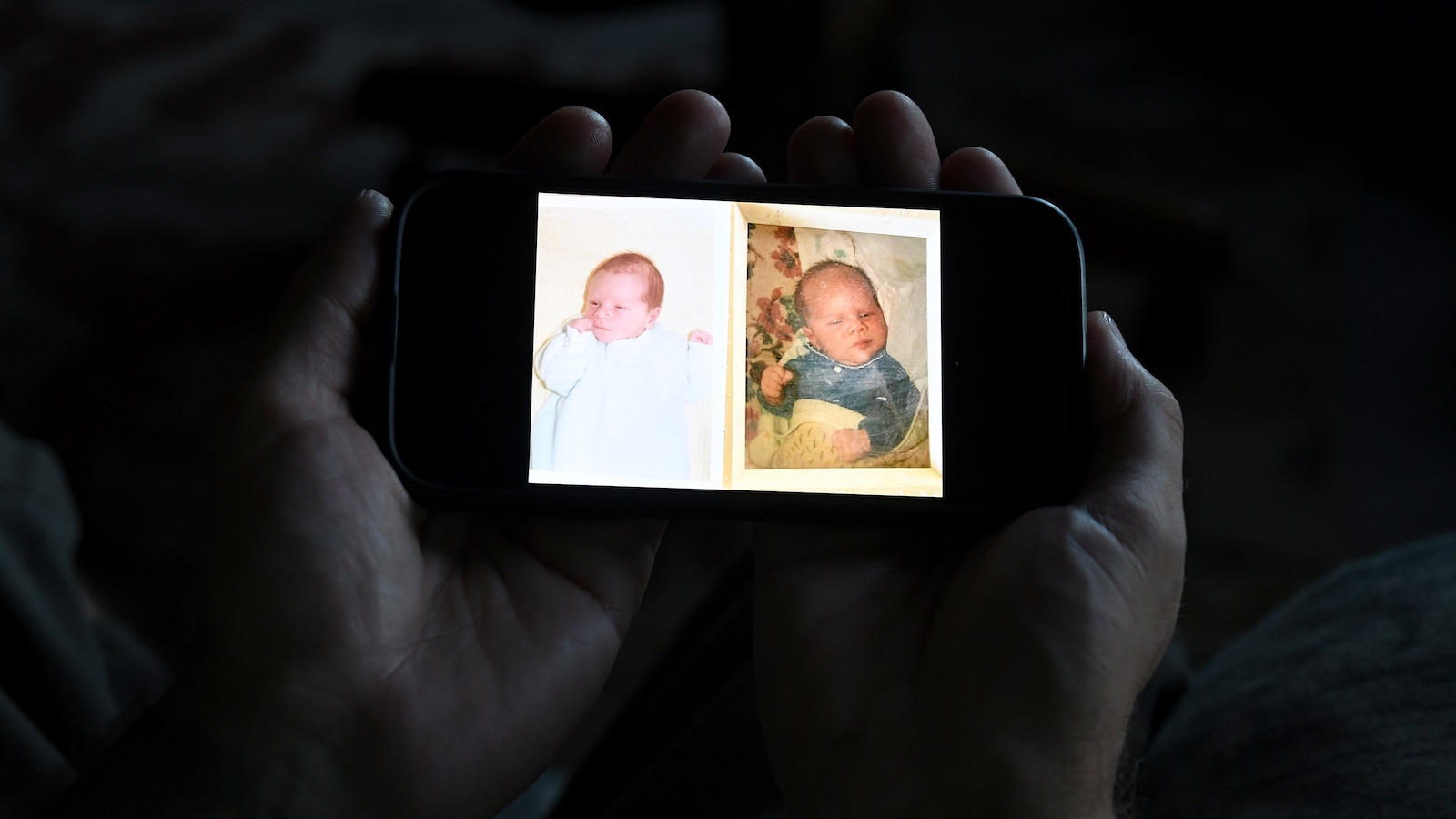
- Kyle Bylin and Jeremy Morrison were born on January 26, 1988, at Unity Medical Center in Grafton, North Dakota.
- They were the only two babies born that day at that hospital.
- Somehow, they went home with the wrong parents.
- 38 years later, they found out through DNA tests (a simple cheek swab you mail in to learn about your family).
Important: The hospital does NOT disagree that the babies were switched. It just says it can’t find proof its staff caused the mistake.
How Did They Find Out?
It started with a fun gift and a little curiosity.
- Kyle Bylin took an at-home DNA test he picked randomly during a Christmas gift exchange.
- The test connected him to a biological aunt on a family-search website.
- Her nephew, Jeremy Morrison, then took a DNA test too.
- The results were clear: they were each other’s biological family.
- Morrison said he knew instantly when he saw a photo of Bylin’s brother—they looked like twins.
Bylin said: “That’s when my mind was just completely blown. We could have never imagined that it was an actual birth switch.”
How Are the Families Coping?
Both men were raised in loving homes, but the truth turned their worlds upside down.
- Evelyn Newton raised Kyle as her own. She says: “Kyle is still my son—that is never going to change. But I feel robbed of the life I should have had with my biological son. You can’t go back and replace 35 years.”
- Jeremy Morrison still loves the parents who raised him. He says: “I was loved. I played sports. I did well in school. A DNA test is not going to take away 38 years of memories.”
- Morrison now lives in Colorado and is a welding inspector. He thinks if he hadn’t been switched, he’d be on a North Dakota grain farm with Bylin’s family.
- Bylin followed academics far from North Dakota and always felt “different” at family debates—now he knows why: “We’re just totally different people, period.”
They have met their biological parents (awkward but welcoming) and spoken on the phone, but haven’t met each other yet.
Important: Two years have passed, and they say building new family relationships is a “work in progress.”
What Does the Hospital Say?
The hospital released a statement with these points:
- There is no evidence staff or administration caused the switch.
- They are trying to understand what happened.
- Nearly 40 years later, old records and staff from that day are gone.
- They recognize the “profound impact” on the families.
Attorney Tim O’Keefe tried for a year to settle with the hospital, then sued for emotional distress, negligence, and medical malpractice.
Are Switches Like This Common?
Rare—but easier to find now because of at-home DNA kits. Other known cases:
- 2024: Two women sued Norway’s government after finding they were switched.
- 2020: Two men switched in 1942 sued a West Virginia Catholic diocese.
- 2018: Two Pennsylvania girls were found switched 75 years earlier.
- 2016: Canada investigated a 1975 switch in a Manitoba Indigenous community.
- 2024: (Same as #1) Two women sued Norway again in reporting.
Dr. Jonathan Marron, a Harvard pediatrician and ethics teacher, says today such errors should happen “pretty close to never” thanks to digital records.
Summary
Two men, Kyle Bylin and Jeremy Morrison, were accidentally sent home with the wrong families at birth in 1988. DNA tests 38 years later proved the switch. The hospital admits a swap occurred but denies fault due to lost records. Families describe love, loss, and slow healing as they build new bonds. Similar swaps are rare but revealed more often by DNA kits.
FAQ
Q: What is a DNA test?
A: A simple kit (often from a drugstore) where you swab your cheek and mail it in. It shows relatives and ethnic background using your genetic code.
Q: Did the hospital say it made the mistake?
A: No. The hospital says the switch happened but has no proof its workers caused it.
Q: Do the men still love their raised families?
A: Yes. Both say the families who raised them are still their true families in love and memory.
Q: Why are these cases found more now?
A: Because at-home DNA tests make it easy to discover unknown relatives and spot a mix-up.
Q: What happens next legally?
A: The families sued the hospital for negligence and emotional distress after a year of failed settlement talks.
.jpg "Premier League Giants Battle for Japanese World Cup Hero")