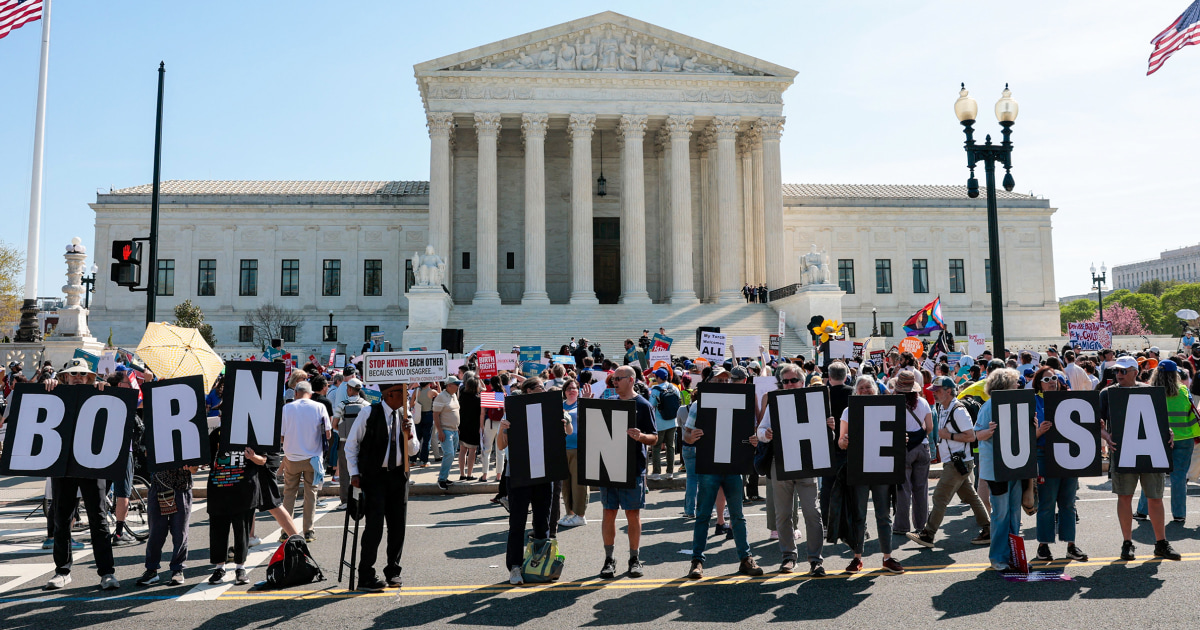
Vow Broken: Trump Fails to Appeal Birthright Citizenship to SCOTUS
Trump Misses Deadline to Ask Supreme Court to Reconsider Birthright Citizenship Ruling
What Happened?
Imagine you’re playing a game, the referee makes a call you don’t like, and you shout, "I’m going to appeal this immediately!" But then… you never actually fill out the appeal form before the deadline passes.
That’s essentially what happened with President Donald Trump and the Supreme Court. On July 8, he posted on Truth Social that he would "IMMEDIATELY" ask the Court to rehear a case about birthright citizenship. But when the 25-day window closed on Monday night, no paperwork had been filed.
The Background: Trump’s Birthright Citizenship Plan
What is "birthright citizenship"?
It’s the rule that anyone born on U.S. soil automatically becomes an American citizen, no matter who their parents are.
Trump’s Proposal Would Have Changed This By:
- Limiting citizenship to babies with at least one parent who is a U.S. citizen or permanent resident (green card holder)
- Excluding babies born to temporary visitors (like tourists or students)
- Excluding babies born to people who entered the country illegally
The Supreme Court’s Decision
On June 30, the Supreme Court ruled 6-3 that Trump could not move forward with this plan. Here’s why:
- Five justices said the plan violated the 14th Amendment of the Constitution
- The 14th Amendment states: > "All persons born or naturalized in the United States, and subject to the jurisdiction thereof, are citizens of the United States."
- This was one of several Trump policies the Court has blocked recently
The Missed Deadline for a Rehearing
How the Process Works:
- Losing party has 25 days to file a "petition for rehearing"
- They ask the Court: "Please reconsider your decision"
- The Court almost never says yes
What Happened Here:
| Date | Event |
|---|---|
| June 30 | Supreme Court rules against Trump |
| July 8 | Trump posts he’ll ask for rehearing "IMMEDIATELY" |
| ~July 25 | 25-day deadline expires |
| Deadline night | No petition found on Court docket |
Important Point
Neither the White House nor the Justice Department responded to requests for comment about why no filing was made.
How Rare Are Rehearings?
Extremely rare. According to Georgetown law professor Steve Vladeck:
- The last time the Supreme Court granted a rehearing was 1965
- That’s nearly 60 years ago
- Hundreds of petitions are filed; almost zero succeed
What the 14th Amendment Actually Says
The Exact Text:
"All persons born or naturalized in the United States, and subject to the jurisdiction thereof, are citizens of the United States and of the State wherein they reside."
In plain English: If you’re born in the U.S., you’re a citizen. Period. The Court said this language is clear and Trump’s executive order couldn’t override the Constitution.
KEY TAKEAWAYS
- Supreme Court blocked Trump’s birthright citizenship order 6-3
- Five justices cited the 14th Amendment as the reason
- Trump publicly vowed to seek rehearing "immediately"
- 25-day deadline passed with no filing on the docket
- Rehearings are almost never granted (last one: 1965)
- Birthright citizenship remains the law of the land
Summary
President Trump promised to fight the Supreme Court’s June 30 ruling that struck down his plan to limit birthright citizenship. He said he’d ask for a rehearing "immediately." But the 25-day window to file that request closed this week with no paperwork submitted. Given that the Court hasn’t granted a rehearing since 1965, legal experts weren’t surprised. The 14th Amendment’s citizenship clause remains intact: born in the U.S. = U.S. citizen.
FAQ
What is birthright citizenship?
It’s the constitutional guarantee that anyone born on U.S. soil is automatically a U.S. citizen, regardless of their parents’ immigration status.
Can a president change this with an executive order?
No. The Supreme Court ruled that the 14th Amendment protects birthright citizenship, and an executive order cannot override the Constitution.
What is a "petition for rehearing"?
It’s a formal request asking the Supreme Court to reconsider its own decision. It must be filed within 25 days of the ruling.
How often does the Supreme Court grant rehearings?
Almost never. The last time was in 1965—nearly 60 years ago.
Does this mean birthright citizenship is permanently settled?
For now, yes. Unless the Constitution is amended (which requires 2/3 of Congress and 3/4 of states), the Supreme Court’s interpretation stands.