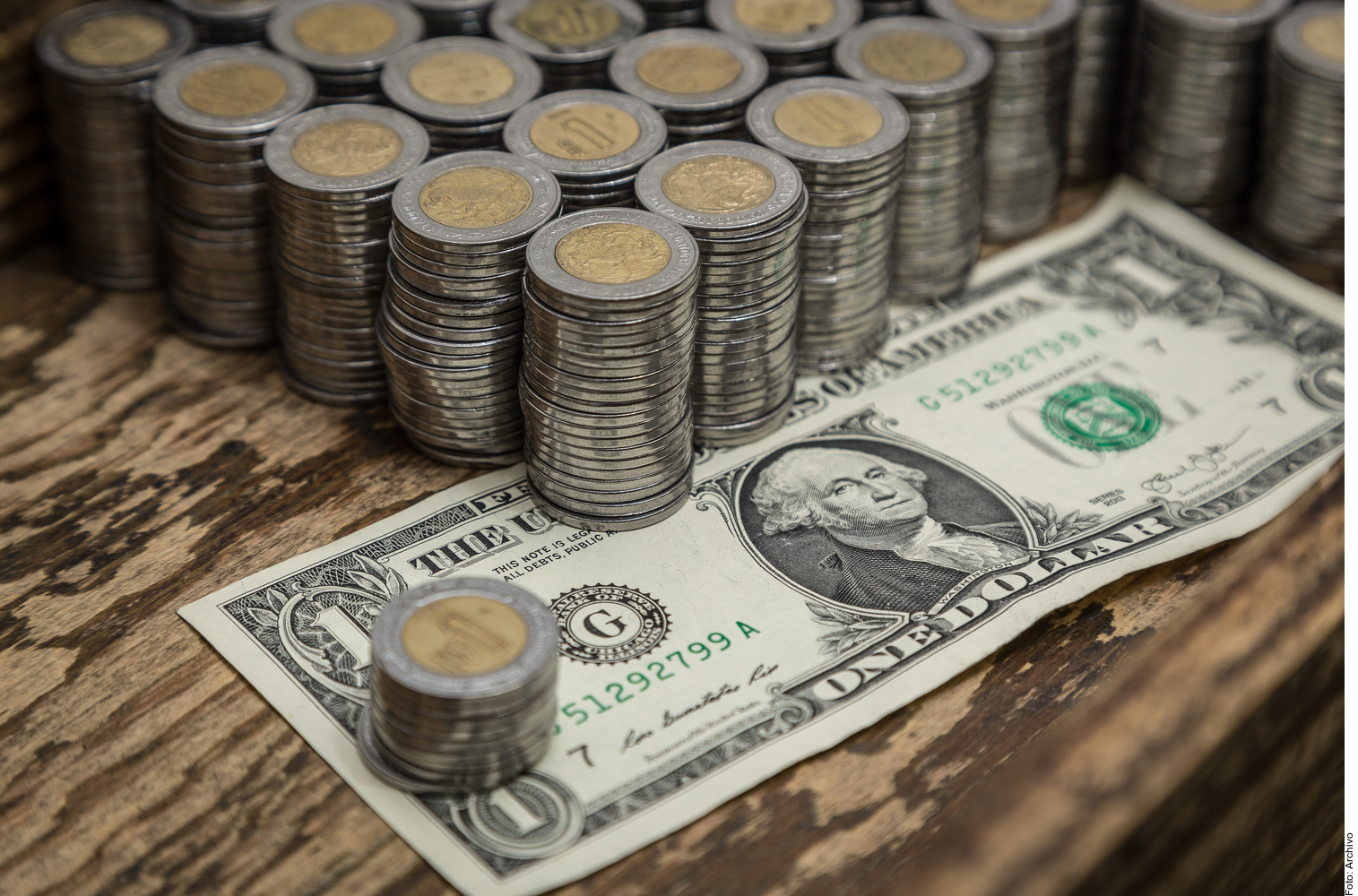
Descubre a cuánto está el dólar en México hoy lunes 13 de julio
The Dollar and the Mexican Peso: A Super Simple Explanation
Official Dollar Exchange Rate According to the Bank of Mexico
Imagine you want to know how much one US dollar is worth in Mexican pesos. On Monday, July 13, 2026, the US dollar opened with a value of 17.47 Mexican pesos. This number comes from the Bank of Mexico (called Banxico), based on what happened at the close of transactions on the previous business day.
But what exactly is the "official exchange rate"? It’s like the reference price for the dollar that Banxico calculates. Here’s how they do it, step by step:
- They look at the wholesale currency market (this is where big banks and companies trade money in large amounts).
- They gather quotes from trading platforms and other electronic systems that represent what the market is doing.
- They only count operations that will be paid two business days later (the second banking day after the trade).
- They take an average of all those quotes to get the official rate.
Important Callout: The official rate (17.47 pesos) is just an average from big trades. The price you get at a local bank or store may be different.
How the Dollar Is Priced at Banks and Transfer Companies in Mexico
Different places in Mexico give different prices when you want to change dollars to pesos (or vice versa). Here are some examples from that day:
- Banamex (a bank): They will buy your dollar for 16.95 pesos and sell you a dollar for 17.95 pesos.
- Western Union (money transfer company): The dollar is quoted at 17.15 pesos.
- MoneyGram (another transfer company): The rate is 1 dollar = 17.93 pesos.
Why should you care about these numbers? Because the exchange rate behavior has direct effects on many parts of life for millions of people:
- Money sent from family abroad (remittances)
- Travel to other countries
- Border commerce (buying things near the US‑Mexico border)
- International payment transactions (paying for goods or services from other countries)
- Everyday financial decisions of regular people
Callout: Even a small difference in the exchange rate can mean more or less food on the table for families relying on money from the US.
The "Superpeso" and Why a Strong Peso Isn’t Always Good
Since 2023, Mexico’s peso has been quite strong compared to the dollar. People call this the "superpeso." But here’s the twist: not everyone benefits from a strong peso.
- If you earn dollars but live in Mexico, you get fewer pesos when you change your money. That’s a negative impact.
- If you receive remittances (money from relatives in the US, the "northern country"), the same number of dollars buys fewer pesos.
- If the exchange rate stays at these current levels for the rest of the year, those remittances will lose their purchasing power – meaning they can buy less than before.
Important: A strong peso sounds good, but for dollar earners and remittance receivers, it can mean tighter budgets.
Summary
Let’s recap the key points:
- The official dollar rate on July 13, 2026 was 17.47 pesos, set by Banxico using an average from big wholesale markets for deals payable two days later.
- Banks like Banamex and transfer services like Western Union and MoneyGram show different buy/sell prices (Banamex: 16.95 buy / 17.95 sell; Western Union: 17.15; MoneyGram: 17.93).
- The exchange rate affects remittances, travel, border trade, international payments, and financial choices of millions.
- Mexico’s "superpeso" (strong since 2023) can hurt those earning dollars or receiving US remittances, reducing their purchasing power if rates stay low.
FAQ
1. What is the official exchange rate?
It’s the reference price for the dollar calculated by Mexico’s central bank (Banxico) from an average of large market quotes, meant for operations liquidated on the second following business day.
2. Why do banks and transfer companies show different dollar prices?
Each business adds its own small profit margin or fees, so the price they offer you is not the same as the official average.
3. What does "superpeso" mean?
It’s a nickname for the Mexican peso when it is unusually strong against the dollar, so 1 dollar converts into fewer pesos than in weaker‑peso times.
4. How does a strong peso affect families receiving remittances?
Because the dollar becomes "cheaper" in peso terms, the pesos they get from US dollars are fewer, so their money buys less (lost purchasing power).
5. Does a strong peso affect travelers?
Yes, the article notes that exchange‑rate behavior directly affects travel and international transactions; a strong peso changes how many pesos a traveler gets for dollars or how many dollars a Mexican gets for pesos abroad.