 11
11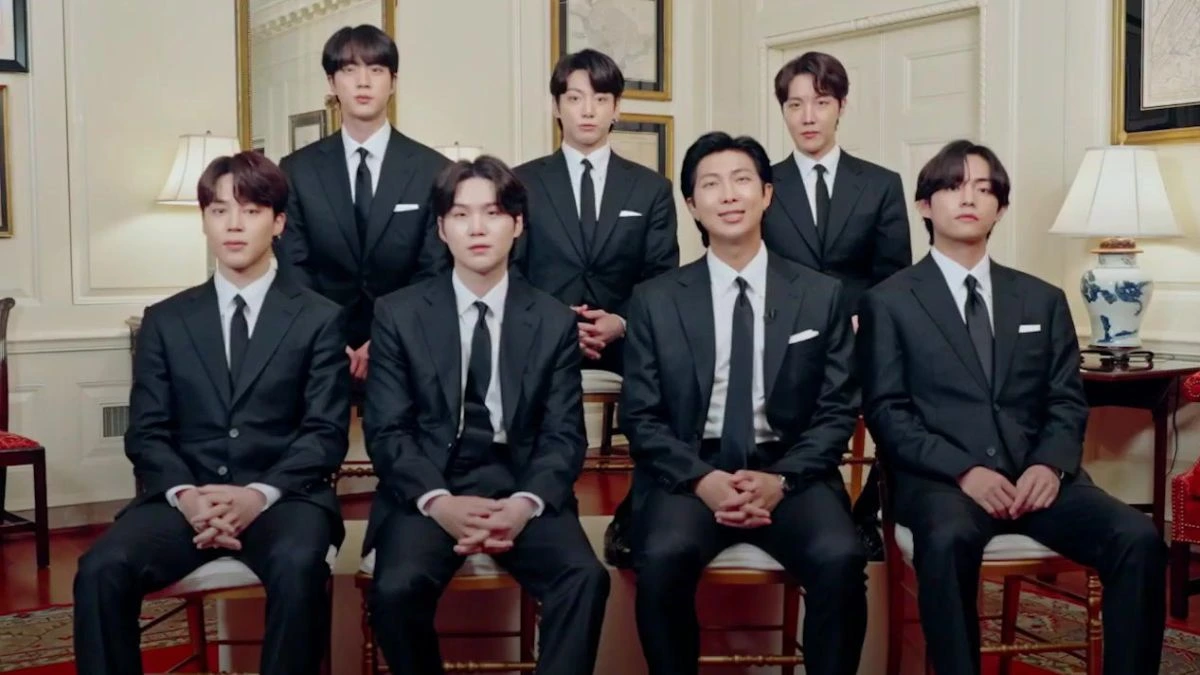
Imagine you want to see BTS at Gillette Stadium. You check Ticketmaster (the "official" seller) and the cheapest ticket is $135.20 with fees.
But wait! You check StubHub, SeatGeek, or Ticket Club (independent resale sites) and see the exact same seats for $16–$30. That’s 82–88% cheaper!
Important Point: This isn’t a glitch. It’s a real-life example of how competition between ticket sellers drives prices down—and why a new Massachusetts law might accidentally break that competition.
| Marketplace | Cheapest Ticket (All-In) | Discount vs Ticketmaster |
|---|---|---|
| StubHub | $20 | ~85% off |
| SeatGeek | $24 | ~82% off |
| Ticket Club | $16 | ~88% off |
By the numbers: SeatGeek had 1,700+ listings for Wednesday’s show. Thursday showed the same pattern—Ticketmaster at $98.95 vs. independent sites at $25–$37.
Massachusetts lawmakers are considering Amendment 20 (part of a big economic bill). Here’s what it does:
Think of it like a seesaw that only goes one way:
| Side of Market | Risk | Reward |
|---|---|---|
| Buying tickets (downside) | Unlimited loss if show flops | — |
| Reselling tickets (upside) | — | Capped at 10% profit |
Resale businesses lose money on flops and need big wins to stay afloat. Cap the wins → fewer sellers → fewer listings → less competition.
| Artist | Independent Resale Price | Ticketmaster Resale Floor |
|---|---|---|
| Bruce Springsteen (Tulsa) | $7 | $74 minimum |
| Travis Scott | Deep discounts | Price floors documented |
| Dead & Company | Low resale | Artificial price floors |
Key Insight: When independent sites can’t compete, Ticketmaster becomes the only game in town for both buying and reselling.
Here’s what happened at Gillette:
Note: Coldplay, Olivia Rodrigo, and Charli XCX intentionally hold $20 tickets for day-of drops—and advertise it. BTS/Gillette did not.
Amendment 20 does nothing about this.
| If Amendment 20 Passes | What Happens |
|---|---|
| Resale competition shrinks | Fewer cheap tickets on StubHub/SeatGeek |
| Ticketmaster faces less pressure | Primary prices stay high or go higher |
| Price floors become easier | Even official resale won’t undercut new tickets |
| Fans lose leverage | No alternative when official prices are unreasonable |
| Root problems ignored | Dynamic pricing, hidden fees, secret holdbacks continue |
Brian Berry (Ticket Policy Forum): "Tonight, fans got BTS tickets for $15 on resale sites while Ticketmaster charged $135. This bill caps that competition instead of fixing Ticketmaster’s monopoly."
A: It caps profits for resellers, but doesn’t touch the much bigger markups happening at the primary level (dynamic pricing, VIP packages, hidden fees). Scalpers buying at $200 and selling at $220 isn’t the main problem—Ticketmaster selling at $500 initially is.
A: History says no. When resale competition disappears, primary sellers face zero pressure to lower prices. See: Springsteen $7 vs $74, Travis Scott, Dead & Company examples above.
A: It doesn’t hurt them—it hurts their competition. Ticketmaster keeps unlimited primary pricing power while independent resale sites get kneecapped. They also control their own resale platform (Verified Resale) where they can set price floors.
A: A price floor is a minimum resale price set by the primary platform. Example: You bought a ticket for $100, show isn’t selling well, you want to sell for $50. Ticketmaster says: "Nope, minimum resale is $74." You’re stuck. Independent sites don’t do this—which is why they had $7 Springsteen tickets.
A: Based on California’s analysis, better approaches include:
Competition is what got Massachusetts fans $16 BTS tickets.
Amendment 20 caps that competition—while leaving the high prices untouched.
Sometimes the "consumer protection" label hides a gift to the dominant player. The data from Gillette Stadium shows exactly who benefits when independent resale gets squeezed out—and it’s not the fans.
Want to learn more? Check out TicketNews’ coverage of ticketing policy, antitrust cases, and pricing investigations across major tours.


/AI%20(artificial%20intelligence)/AI%20Data%20Center%20by%20Gorodenkoff%20via%20Shutterstock.jpg "Dell vs. Super Micro: Market Screams “Buy One” Amid Explosive Growth")