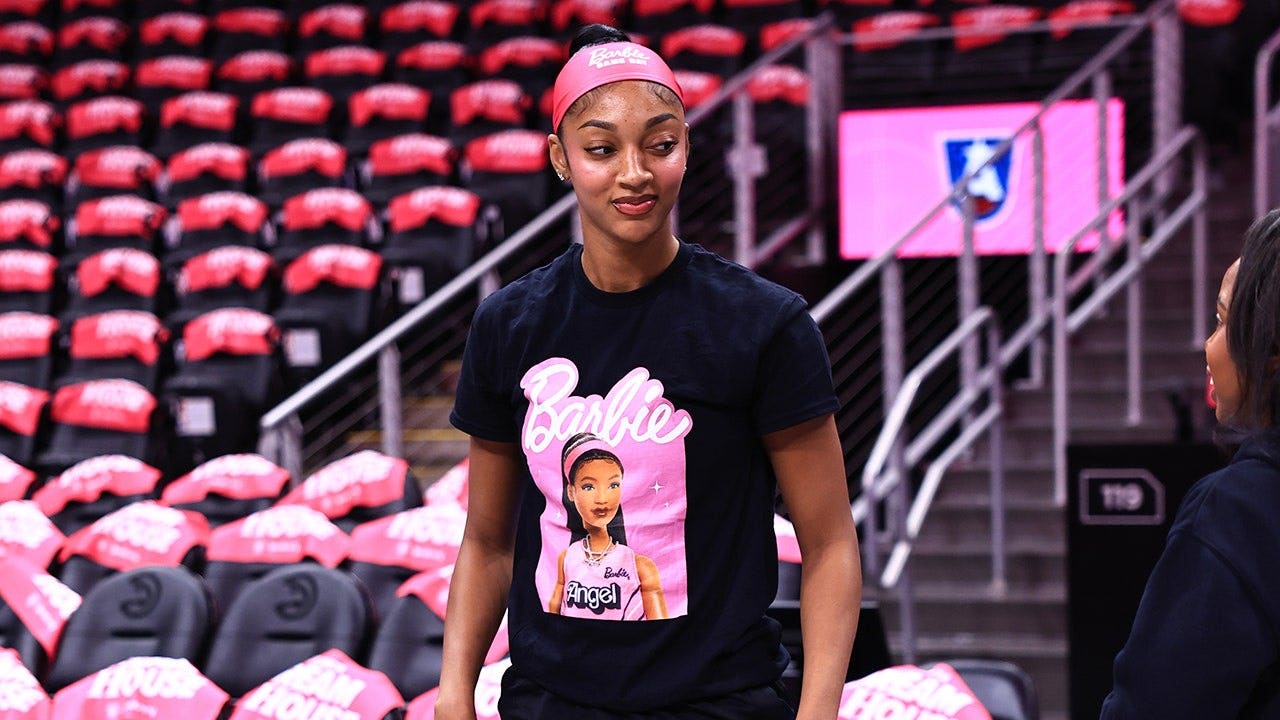
She Got the Barbie, the Shoe & the Night. Then Played Victim.
Angel Reese’s Big Week: Barbie Doll, Signature Shoe, and a Debate About Representation
What Happened in 10 Days?
In July and August 2024, WNBA star Angel Reese experienced a whirlwind of career highlights that most athletes only dream about. Here’s the timeline:
- July 24: Mattel revealed a Barbie Signature doll made in her likeness. It wore her Atlanta Dream jersey (No. 5), headband, leg sleeve, necklace, pink nails, and her signature Reebok shoes.
- July 25: She played in her third consecutive WNBA All-Star Game.
- August 3: A special Barbie edition of her signature sneaker (the Angel Reese 1) went on sale.
- August 3 (That Night): The Atlanta Dream hosted "Barbie Game Day" at State Farm Arena. The event featured special tickets, limited-edition merch, and Reese’s doll sat right next to her during press interviews.
Important Point
In just 10 days, Reese secured a personal Barbie doll, a matching signature shoe release, and an entire WNBA promotional night built around her brand.
The Barbie Doll and Signature Shoe
The doll wasn’t just a generic figure—it was highly detailed. Mattel included Reese’s exact on-court look: the pink Atlanta Dream uniform, her specific accessories, and her Reebok Angel Reese 1 sneakers. The matching shoe release meant fans could buy the exact same kicks for themselves, creating a complete "twinning" moment between the player, the doll, and the consumer.
Reese’s Comments on Childhood Dolls
During media availability at the "Barbie Game Day," a reporter asked Reese what dolls she played with growing up. Her answer sparked a major conversation:
"Honestly, I didn’t have a lot of dolls because I didn’t have dolls that really looked like me much. That’s why I kind of really wanted to make sure this was super intentional, because now that they have a doll that looks like you, nails and hair, but also you can be a killer on the court as well."
Reese framed her childhood as a failure of representation—suggesting dolls that looked like her (a Black girl who played basketball simply didn’t exist when she was young.
Historical Context: Black Dolls Before Reese
The article points out that Black dolls and basketball-playing Barbies actually did exist long before Reese was born in 2002. Here are the key milestones:
- 1968: Mattel introduced Christie, a Black friend of Barbie.
- 1980: The first doll officially named "Black Barbie" debuted.
- 1993: American Girl released Addy Walker, a historic Black character.
- 1998: Mattel sold officially licensed African-American NBA Barbie dolls. These wore authentic NBA team uniforms and came packaged with basketballs—four years before Angel Reese was born.
Important Point
A Black basketball-playing Barbie in a real team uniform existed on store shelves before Reese was born. The author argues this contradicts Reese’s claim that no doll "looked like her" and could be a "killer on the court."
Reese’s Background and Opportunities
The article outlines Reese’s path to stardom to highlight what it calls significant privilege:
- High School: Attended St. Frances Academy in Baltimore (current tuition: $15,000/year).
- Recruitment: Was a McDonald’s All-American and one of the top college recruits nationally.
- College: Played at Maryland, then transferred to LSU on a full scholarship. Earned a bachelor’s degree in Interdisciplinary Studies for free.
- Pro Career: Drafted in the 1st Round of the 2024 WNBA Draft by the Chicago Sky.
- Endorsements & Fame:
- Major sponsorship deals (Reebok, etc.)
- Millions of social media followers
- Her own podcast
- Signature shoe (Reebok Angel Reese 1)
- Barbie Signature doll
- Walked the Victoria’s Secret Fashion Show
- Attended the Met Gala three years in a row (2022, 2023, 2024)
The Author’s Perspective: Privilege vs. Victimhood Narrative
The writer (Dan Zaksheske of OutKick) argues there is a disconnect between Reese’s reality and her public messaging.
Key Arguments:
- Trade Leverage: After publicly criticizing the Chicago Sky’s roster and teammates—and being suspended for comments deemed "detrimental to the team"—Reese did not suffer consequences. Instead, she was traded to the Atlanta Dream (a playoff contender) for two first-round picks, a massive haul.
- Marketing Centerpiece: The Dream immediately made her the face of a major marketing campaign ("Barbie Game Day").
- The Core Thesis: The author suggests that "victimhood" has become central to Reese’s personal brand. Despite achieving elite status, commercial success, and historic recognition (the doll), she centered her narrative on what she lacked in childhood—ignoring historical facts about existing dolls.
- Commercial Opportunity: The doll is framed not as a breakthrough for representation (since it existed decades ago), but as a "lucrative commercial opportunity" for one of the most promoted athletes in women’s sports.
Important Point
The article does not deny Reese’s talent or hard work. It questions the narrative she chooses to tell—arguing that presenting herself as historically overlooked doesn’t match the timeline of doll history or her own life trajectory of elite access and rapid commercial success.
Summary
Angel Reese had a historic 10-day stretch in summer 2024: she received a personalized Barbie doll, launched a matching signature shoe, played in an All-Star Game, and headlined a team theme night. While celebrating these wins, Reese stated she grew up without dolls that looked like her or represented female athletes. However, Mattel had released Black Barbies (1980) and NBA-licensed basketball-playing Black Barbies (1998) years before she was born. The article highlights Reese’s privileged path—private school, full scholarship, top draft pick, and instant superstar endorsements—and argues that her consistent framing of herself as a victim of systemic neglect has become a core part of her profitable personal brand, even when the historical record and her current reality suggest otherwise.
FAQ
1. Did Angel Reese really say she had no dolls growing up?
She said: "I didn’t have a lot of dolls because I didn’t have dolls that really looked like me much." She acknowledged dolls existed but implied they didn’t represent her specific identity (Black girl + basketball player) adequately.
2. Were there really basketball Barbies before she was born?
Yes. In 1998, Mattel sold officially licensed African-American NBA Barbie dolls wearing real team uniforms and packaged with basketballs. Reese was born in 2002.
3. Why does the author call Reese "privileged"?
The article lists: private high school ($15k/year tuition), McDonald’s All-American status, full college scholarship at LSU (free degree), 1st round WNBA draft pick, major endorsements (Reebok, Barbie, Victoria’s Secret, Met Gala invites), and a lucrative trade to a contender after demanding out of Chicago.
4. Is the article saying the Barbie doll isn’t important?
No. It calls the doll a "lucrative commercial opportunity" and acknowledges it’s a dream for most young girls. The critique is about the story told at the launch—claiming representation didn’t exist—rather than the doll itself.
5. What does "victimhood as a brand" mean?
It means the author believes Reese consistently portrays herself as unfairly treated or overlooked (by media, referees, teams, history) to build a relatable, sympathetic persona that drives engagement, merch sales, and media attention—even when objective facts (stats, contracts, history, honors) show high levels of success and institutional support.