11
11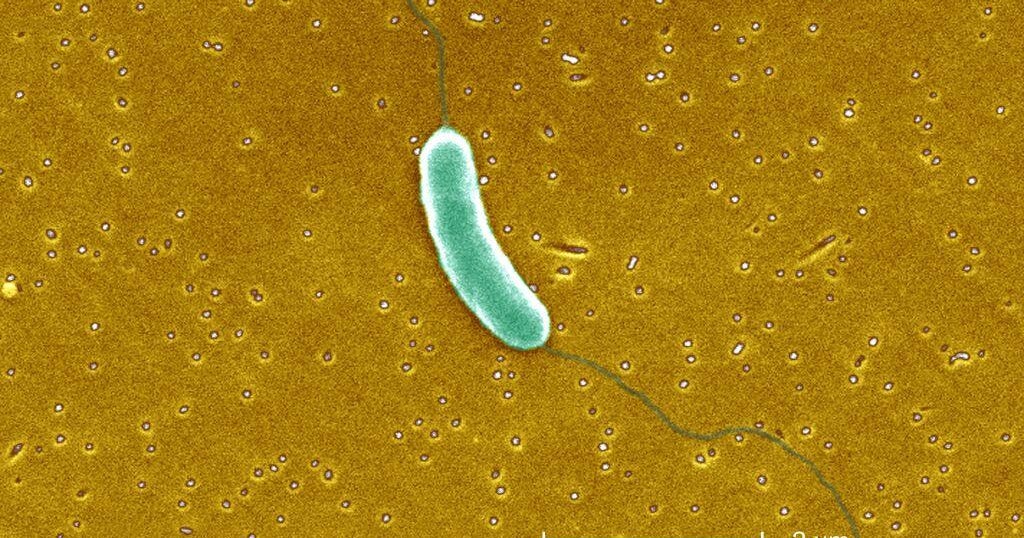
Health officials are warning about a dangerous bacteria called Vibrio vulnificus (often called "flesh-eating bacteria") that lives in warm coastal waters. Here’s what’s happening in 2026 so far:
Important: This isn’t a new bacteria, but cases are increasing and appearing in new places.
Vibrio vulnificus loves warm water. Climate change is making ocean temperatures rise, which means:
After hurricanes like Hurricane Helene (2024), Florida saw a spike in cases because:
| Time Period | Louisiana Cases | Louisiana Deaths |
|---|---|---|
| 10-year average | 7 per year | 1 per year |
| 2025 | 26 | 5 |
| 2026 (so far) | 9 | 5 |
Think of it like this: There are about a dozen types of Vibrio bacteria that can make people sick (this illness is called vibriosis). But Vibrio vulnificus is the most dangerous one.
Scary Stats: About 1 in 5 people who get this infection die from it. Survivors sometimes need amputations (losing arms or legs).
There are two main ways:
May through October — when ocean water is warmest.
(Mark your calendar: this is "Vibrio season")
Anyone can get infected, but some people get much sicker. High-risk groups include people with:
Critical: In Louisiana’s 2026 cases, ALL 9 patients had underlying health conditions.
Act Fast: This infection moves quickly. If you have symptoms after being in coastal water or eating raw seafood, go to the ER immediately.
| Key Fact | Details |
|---|---|
| What | Vibrio vulnificus — dangerous "flesh-eating" bacteria |
| Where | Warm coastal waters (Gulf Coast, East Coast, now spreading north) |
| When | Mostly May–October |
| How | Open wounds + seawater OR raw/undercooked shellfish |
| Who’s at Risk | Everyone, but especially those with liver disease, cancer, HIV, or weakened immunity |
| Death Rate | ~20% (1 in 5) |
| Best Prevention | Avoid seawater with open wounds; cook shellfish well |
No. Vibrio vulnificus lives in saltwater and brackish water (where rivers meet the sea). It doesn’t survive in properly chlorinated pools or freshwater lakes.
Only if they’re fully cooked. Raw oysters carry the highest risk. If you’re in a high-risk group, avoid raw oysters completely — even at fancy restaurants.
No. You can’t catch it from someone else. It only comes from the environment (water or contaminated food).
Get out of the water immediately. Wash the cut with soap and clean, fresh water (not ocean water). Apply antibiotic ointment and a waterproof bandage. Watch for signs of infection (redness, swelling, heat, fever) and see a doctor fast if they appear.
Yes, dogs can get infected too if they swim in contaminated water with open wounds. Rinse them off with fresh water after beach visits and check for cuts.
Vibrio vulnificus is rare but serious. You don’t need to panic — but you do need to be smart, especially if you have health conditions that put you at higher risk.
Simple rule: If you have a wound, keep it out of warm seawater. If you eat shellfish, cook it well.
Stay safe out there!