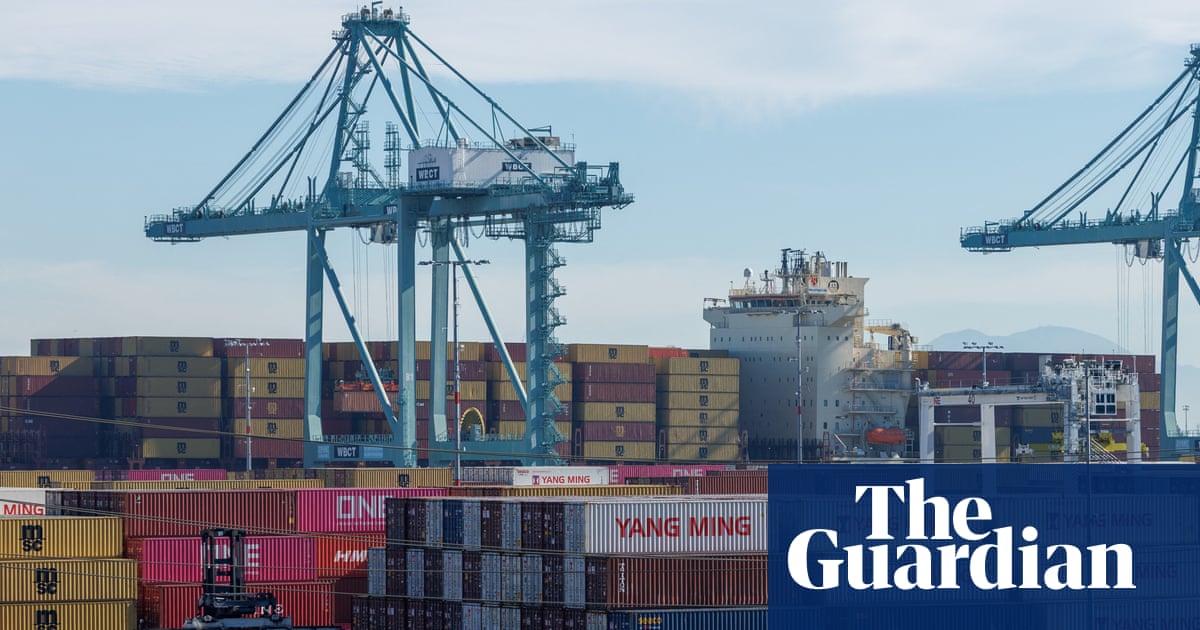
Trump Administration Returns $100 Billion in Tariff Money After Court Ruling
What Happened in Simple Terms
Imagine you paid extra money at a store because the owner added a special fee. Then a judge said, "That fee wasn’t fair — give the money back!" That’s basically what just happened with the US government.
The Trump administration has refunded about $100 billion to companies that paid special taxes (called tariffs) on imported goods. This happened because the US Supreme Court ruled those taxes were illegal.
The Numbers Behind the Story
Important Point
- $165 billion = Total collected from "Liberation Day" tariffs
- $100 billion = Amount refunded so far (60% of total)
- $1.37 trillion = Current US budget deficit (first 9 months of fiscal year)
- 80+ countries = Nations hit with new tariffs last month
What Are Tariffs? (ELI5 Explanation)
Tariffs are like entrance fees for products coming into a country.
- When a toy made in China arrives at a US port, the government might charge a 10% fee
- The company importing the toy pays this fee
- Usually, companies pass this cost to you by raising prices
- Governments use tariffs to:
- Protect local factories
- Punish other countries for unfair trade
- Raise money
Timeline: How We Got Here
- February 2026 — Supreme Court strikes down part of Trump’s "Liberation Day" tariffs
- Spring 2026 — Government starts returning money to companies that paid
- July 2026 — Trump imposes new tariffs (10–12.5%) on 80+ countries
- August 2026 — 25 US states sue the administration over the new tariffs
- This week — Customs officials report $100 billion refunded to court
Why the New Tariffs Are Controversial
The Government’s Argument
- New tariffs use Section 301 of the Trade Act of 1974
- This law targets countries allowing forced labor
- Officials say these nations haven’t done enough to stop it
The States’ Argument
- 25 states sued, saying the forced labor reason is just an excuse
- The tariffs cover 99.4% of all US imports (59 countries + EU)
- New York Attorney General Letitia James calls it "illegally raising taxes on families and businesses"
The Big Picture: Tariffs & The Economy
| Trump’s Promises |
What Actually Happened |
| Bring back US factories |
Mixed results — some investment, but higher costs |
| Better trade deals |
Ongoing negotiations, no major deals finalized |
| Close budget deficit |
Deficit GREW to $1.37 trillion (up 2% from last year) |
Key Takeaway
Even with tariff money coming in, the government is spending much more than it collects. The deficit keeps growing.
What Happens Next? (Step by Step)
- Court hearings — The Court of International Trade will hear the states’ lawsuit
- Possible rulings — Judge could:
- Stop the new tariffs immediately
- Declare them illegal
- Order more refunds for taxes already paid
- Appeals likely — Losing side will probably appeal to higher courts
- Business impact — Companies wait to see if they’ll get money back or pay more
Summary
- $100 billion refunded after Supreme Court ruled old tariffs illegal
- New tariffs (10–12.5%) imposed on 80+ countries in July
- 25 states suing, calling new tariffs an illegal workaround
- Budget deficit growing despite tariff revenue
- Consumers & businesses caught in the middle — paying higher prices
FAQ: Your Questions Answered
Will I get money back from this?
Probably not directly. The refunds go to importing companies, not individual shoppers. But if companies’ costs go down, some savings might reach you eventually.
Why do tariffs make things more expensive?
When importers pay extra fees, they usually raise prices to keep their profits. So that $100 toy becomes $110.
Can the president just create any tariff he wants?
No. Presidents need legal authority (like Section 301). Courts can strike them down if they exceed that authority — which just happened.
What’s the difference between the old and new tariffs?
- Old ("Liberation Day"): Broad tariffs struck down by Supreme Court
- New (Section 301): Targeted at forced labor, but cover 99.4% of imports
How long will this legal fight take?
Months to years. Court cases move slowly, especially with appeals. The tariffs stay in place unless a judge pauses them.
Want to stay updated on how this affects your wallet? Follow business news for court rulings and price changes.
 1
1