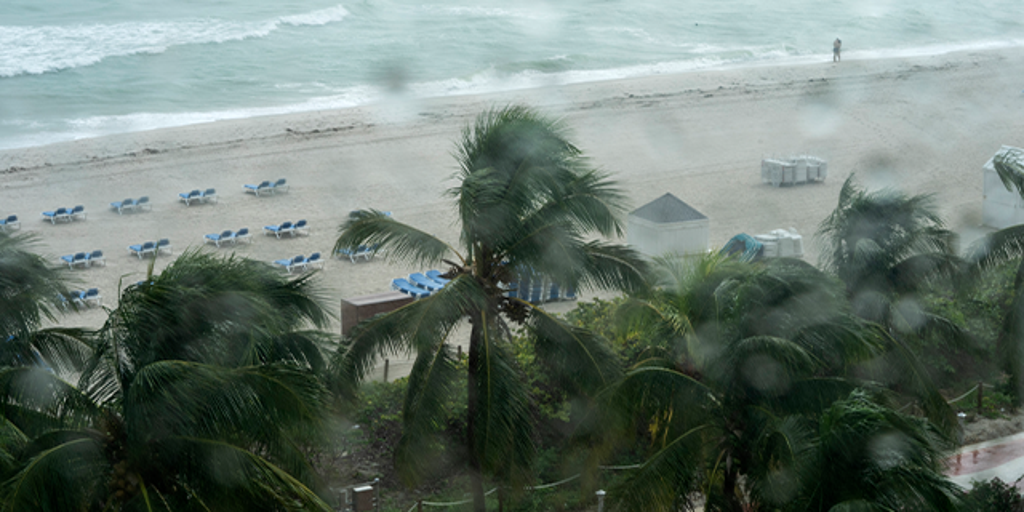
NHC eyes new zone for tropical development near FL, SE coasts
A Simple Guide to the New Atlantic "Area to Watch" for Possible Storms
What Is the National Hurricane Center Telling Us?
The National Hurricane Center (NHC) is like a team of weather detectives who watch the ocean for baby storms. They have just pointed to a new "area to watch" in the Atlantic and Gulf.
Here’s the zone they are looking at:
- It starts in the Gulf waters off Florida’s Big Bend (that’s the curve of Florida’s west coast near the top).
- It goes across the Florida peninsula (the land part).
- It continues up to the coasts of Georgia and South Carolina.
An area of low pressure (think of a soft spot in the air where the air is lighter and can start spinning) is expected to show up over this region during the weekend. Right now, the NHC says there is only a low chance (a small possibility) that this will grow into a tropical system (a spinning storm fed by warm water).
What Does "Tropical" Even Mean? (ELI5)
In weather words, a system is called "tropical" when:
- Warm ocean water heats the air above it.
- Thunderstorms (big rainy clouds with lightning) become well‑organized (like a tidy group).
- They rotate around a distinct center – imagine a merry‑go‑round with a clear middle pole – over that warm water.
So a tropical storm is basically a bunch of rainy clouds dancing in a circle over a warm sea.
Why This Spot? Past Monitoring and Current Odds
This isn’t a brand‑new idea. The FOX Forecast Center (another weather team) was already keeping an eye on this same area earlier this week.
They said: "As of right now, there is no immediate threat or even an area of low pressure to track." That means today there’s nothing to worry about yet, and we don’t even see the "soft spot" in the air.
The Exclusive FOX Weather Tropical Threat map (a special chart they made) shows:
- A low chance of development.
- But the odds are steadily increasing (like a slow climb up a hill).
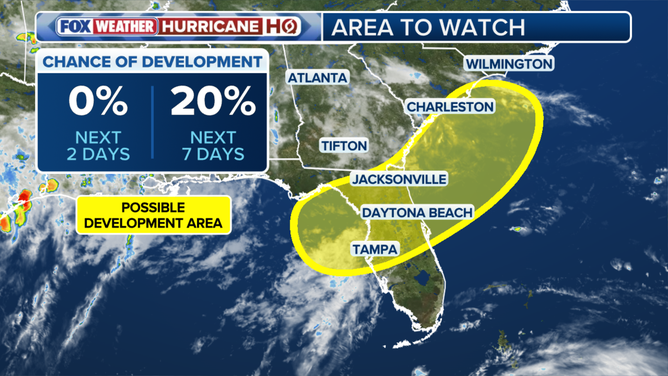
Image: Area to watch for tropical development. (FOX Weather)
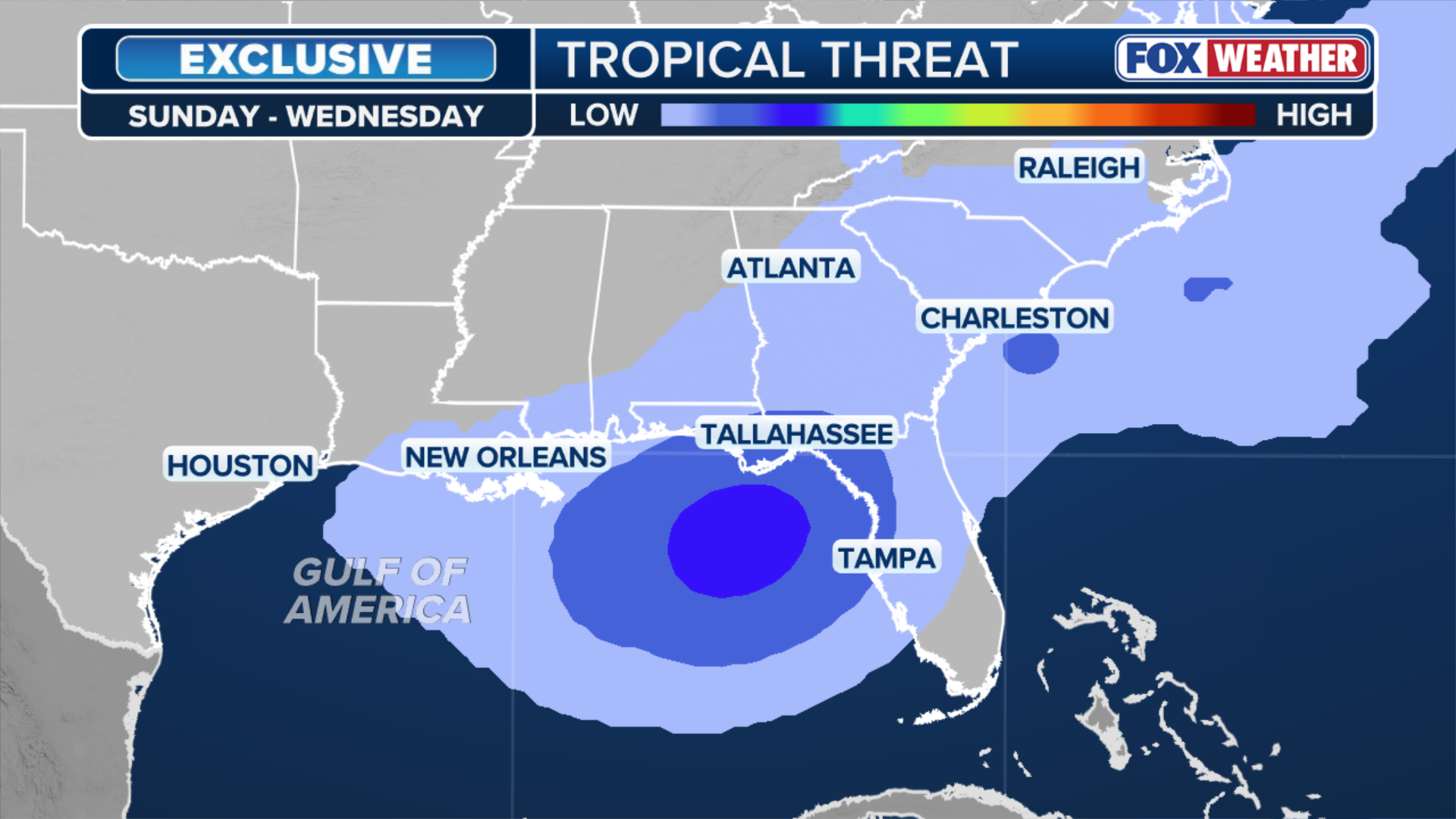
Image: Exclusive FOX Weather Tropical Threat (FOX Weather)
What Happens Next? A Simple Step‑by‑Step
Scientists will follow these steps:
- Wait for the low‑pressure area to form (expected over the weekend).
- Watch if thunderstorms organize around it.
- Then they can tell us the timing and impacts – like when and where tropical downpours (very heavy rain) might fall across Florida and possibly up the Southeast coast.
Important Callout: Regardless of whether a tropical storm officially forms, people in northern Florida and other parts of the Southeast will likely see tropical downpours from this system. So rain is on the way even if the storm doesn’t get a name!
Why July Storms Often Start Close to Home
History tells us that most tropical systems that pop up in July are what experts call "homegrown threats." That’s a friendly way of saying:
- They develop close to the American coastline rather than far out near Africa.
- Right now, the water temperatures in the Gulf and off the Southeast coast are above average (warmer than usual), which is like giving the storm a warm blanket to grow.
The Rest of the Ocean: Why It’s Quiet Out There
While this near‑coast area is worth watching, the open Atlantic (the big ocean away from land) is currently unfriendly to storms:
- Hostile winds – strong breezes that can rip storms apart.
- Plumes of Saharan dust – tiny particles of sand from the Sahara Desert in Africa that float across the ocean, making the air dry and hard for storms to breathe.
- Average water temperatures – not warm enough to fuel big storms.
Because of these, the start of the 2026 Atlantic hurricane season has been pretty quiet.
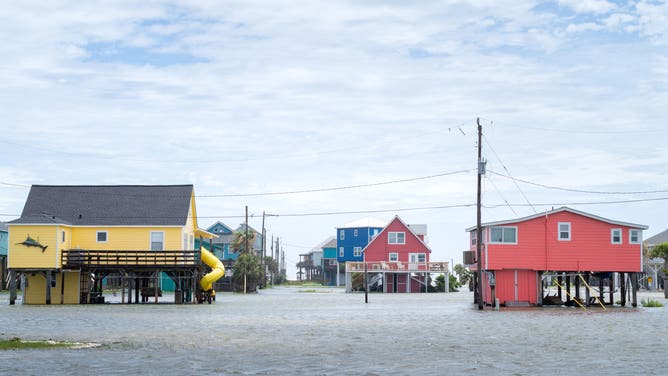
Image: Floodwater surrounds a neighborhood after Tropical Storm Arthur made landfall on June 17, 2026 in Freeport, Texas. (Photo by Brandon Bell/Getty Images)
Tropical Storm Arthur: The Season So Far
So far, the only named storm of the year is Tropical Storm Arthur.
- It formed along the Texas coast on June 17.
- It brought heavy downpours and flooding (see picture above).
- It is the first named storm of the Atlantic hurricane season.
The next storm on the list would be named Bertha.
FOX Weather says: "FOX Weather is your Hurricane HQ. Check back for updates on this developing story."
Summary
Let’s recap the key points in plain English:
- The NHC is watching a stretch from Florida’s Gulf coast to the Carolinas for a possible storm.
- A low‑pressure zone may appear this weekend; chance of tropical development is low but rising.
- Heavy rain is likely for parts of Florida and the Southeast even without a named storm.
- July storms often form near the coast, and warm waters help them.
- The open Atlantic is calm due to dust and winds; Arthur was the only named storm; next name is Bertha.
- Weather teams will keep us updated.
FAQ
Q1: What is the National Hurricane Center (NHC)?
A: It’s a group of U.S. weather scientists who track oceans for hurricanes and tropical storms to keep people safe.
Q2: What does "low chance of tropical development" mean?
A: It means the conditions right now are not very likely to create a spinning storm, but it could change later.
Q3: What is Saharan dust and why does it stop storms?
A: It’s fine sand from the African desert that flies over the ocean. It dries the air, making it hard for rainy storms to grow.
Q4: What is a "homegrown threat"?
A: A cute term for a tropical storm that forms close to the U.S. coast (like in the Gulf) instead of far out at sea.
Q5: When will we know more about the possible rains?
A: Once the low‑pressure area forms (over the weekend), forecasters will know much better when and where the downpours will hit.
Related FOX Weather Stories Mentioned
- Latest from FOX Weather Hurricane Specialist Bryan Norcross.
- Revised Atlantic hurricane season forecast for named storms revealed as brewing super El Niño intensifies.
- Dangerous flood threat targets millions across Texas, including Hill Country, and the Gulf Coast.
- Tropical Storm Arthur’s remnants could redevelop along East Coast amid Gulf Coast flooding.
- How to watch FOX Weather.