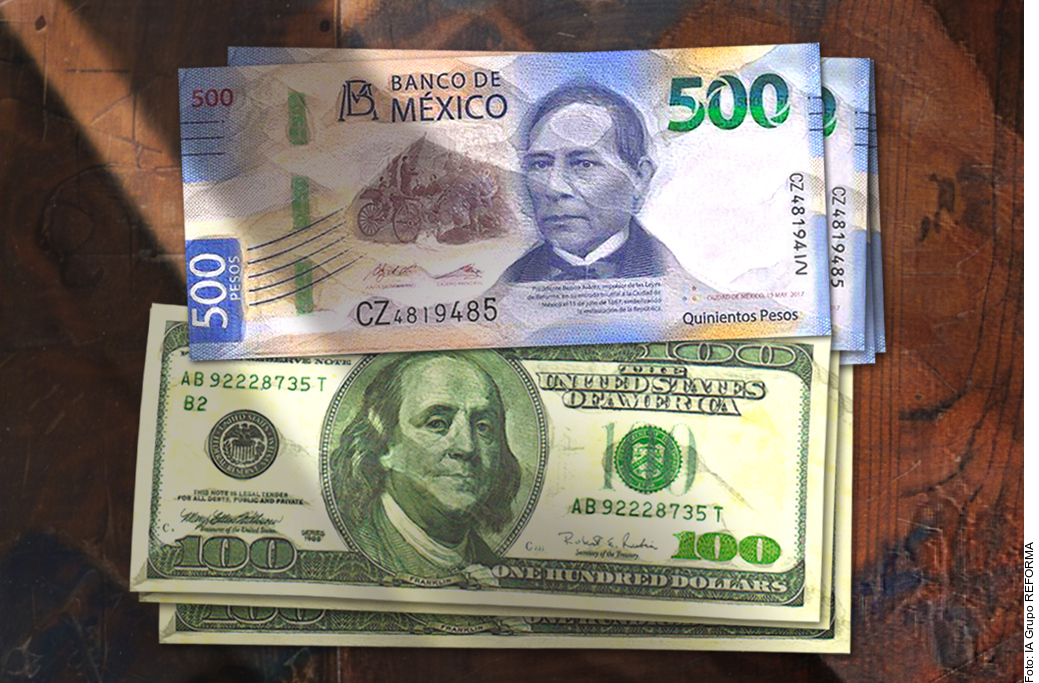
Dólar HOY en México: Precio EXACTO viernes 31 de julio ¿Subió o bajó?
Understanding the Dollar-to-Peso Exchange Rate on July 31, 2026
Quick Summary: On July 31, 2026, the official exchange rate was 17.34 Mexican pesos per US dollar, but banks and money transfer companies offered different rates. Mexico’s strong peso (the "superpeso") helps some people but hurts others—especially families receiving remittances from the US.
What Happened on July 31, 2026?
Imagine you want to trade your US dollars for Mexican pesos. The "price" of a dollar in pesos changes every day, just like the price of apples at the grocery store. On Friday, July 31, 2026, here’s what the price tag looked like:
- Official rate (from Mexico’s central bank): 1 dollar = 17.34 pesos
- Banamex (a big bank): Buys dollars at 16.83 pesos, sells at 17.80 pesos
- Western Union (money transfer): 1 dollar = 17.02 pesos
- MoneyGram (money transfer): 1 dollar = 17.93 pesos
Important: The rate you get depends on where you exchange your money. Banks and transfer companies add their own fees, so their rates differ from the official one.
Where Does the Official Rate Come From?
The Banco de México (Banxico)—Mexico’s central bank, like the "bank for banks"—calculates the official rate every business day. Here’s how they do it, in simple steps:
- Collect prices from major electronic trading platforms where big banks trade currencies (the "wholesale market").
- Average them out to get a fair middle price.
- Publish the result for operations that settle two business days later (this is standard practice internationally).
Think of it like a referee setting the "fair price" based on what all the big players are doing.
Why Do Banks and Transfer Companies Have Different Rates?
You might wonder: If the official rate is 17.34, why does Banamex sell at 17.80 and MoneyGram at 17.93?
| Service | Buy Rate (They buy your USD) | Sell Rate (They sell you USD) |
|---|---|---|
| Official (Banxico) | 17.34 | 17.34 |
| Banamex | 16.83 | 17.80 |
| Western Union | — | 17.02 |
| MoneyGram | — | 17.93 |
Simple explanation:
- Banks and transfer companies are businesses. They add a markup (extra cost) to cover their expenses and make a profit.
- Buying vs. selling: When you sell dollars to Banamex, they pay you less (16.83). When you buy dollars from them, they charge you more (17.80). The difference is their profit margin.
- Transfer companies like Western Union and MoneyGram usually only show the rate for sending money (you pay them dollars, they give pesos to your family). Their rate includes fees.
What Is the "Superpeso"?
Since 2023, the Mexican peso has been unusually strong compared to the US dollar. People call it the "superpeso."
Why is it strong?
- High interest rates in Mexico attract foreign investors.
- Lots of dollars flowing in from remittances, tourism, and exports.
- Mexico’s economy has been relatively stable.
Is a strong peso good?
It depends on who you are!
Who Benefits and Who Gets Hurt?
| Winners (Happy with strong peso) | Losers (Hurt by strong peso) |
|---|---|
| Mexicans traveling to the US (their pesos buy more dollars) | Mexicans earning in dollars but spending in pesos (freelancers, remote workers) |
| Companies importing goods from the US (cheaper to buy dollars) | Families receiving remittances from the US |
| People paying dollar-denominated debts | Exporters selling goods to the US (get fewer pesos per dollar) |
| Shoppers buying imported products | Tourism sector (Mexico becomes more expensive for US visitors) |
Key Point: A strong peso sounds like a "win" for the country, but it creates real problems for millions of Mexican families who rely on dollars sent from relatives abroad.
The Remittance Problem: Losing Purchasing Power
Remittances = money sent home by Mexicans working in the US. This is a huge source of income for Mexico (over $60 billion/year recently).
Here’s the math:
- If your uncle in Texas sends $300…
- At 20 pesos/dollar (older rate): Your family gets 6,000 pesos.
- At 17.34 pesos/dollar (July 31, 2026 rate): Your family gets 5,202 pesos.
- That’s 798 pesos LESS for the same $300!
If the rate stays this low all year:
- Families can buy less food, medicine, school supplies, and rent.
- The purchasing power of remittances shrinks, even if the dollar amount sent stays the same.
Summary: What You Need to Remember
- Official rate (Banxico) on July 31, 2026: 17.34 MXN/USD
- Real-world rates vary: Banks and transfer services charge more (sell higher, buy lower).
- The "superpeso" has been strong since 2023 due to economic factors.
- Strong peso = double-edged sword: Good for importers and travelers, bad for remittance families and dollar earners.
- Remittances lose value when the peso is strong—families get fewer pesos per dollar sent.
FAQ: Your Questions Answered
Why is the official rate different from what my bank offers?
The official rate is a wholesale average for big banks. Your bank adds fees and profit margins, so their "retail" rate is worse for you. It’s like the difference between the factory price of a shirt and the mall price.
Which rate should I use to calculate my remittance?
Use the rate from your specific transfer service (Western Union, MoneyGram, your bank, etc.). That’s the actual amount your family will receive. Check their website or app before sending.
Will the peso stay this strong forever?
No one knows for sure. Exchange rates move based on interest rates, inflation, politics, and global events. The "superpeso" could weaken if Mexico’s economy slows or US rates change.
I earn dollars as a freelancer in Mexico. What should I do?
Consider timing your conversions (don’t change all at once), using services with better rates (like Wise or Revolut), or keeping some savings in dollars if you have dollar expenses. Talk to a financial advisor for your situation.
Does the government control the exchange rate?
No. Mexico has a floating exchange rate—the market decides. Banxico only publishes the official reference rate and sometimes intervenes to prevent extreme volatility, but they don’t set the price.
Final Thought: The exchange rate isn’t just a number on a screen—it determines how far a grandmother’s money goes for groceries, whether a freelancer can pay rent, and if a factory can afford to import parts. Understanding it helps you make smarter money decisions.