Iran President Denies Quit Threat Amid Strait of Hormuz Crisis
Iran’s President Denies Resignation Threats Amid Tensions Over US Talks and Strait of Hormuz
What’s Happening in Iran Right Now?
Imagine a big family where everyone is arguing about whether to make peace with a neighbor they’ve been fighting with for years. That’s kind of what’s happening in Iran right now, but on a national scale with very high stakes.
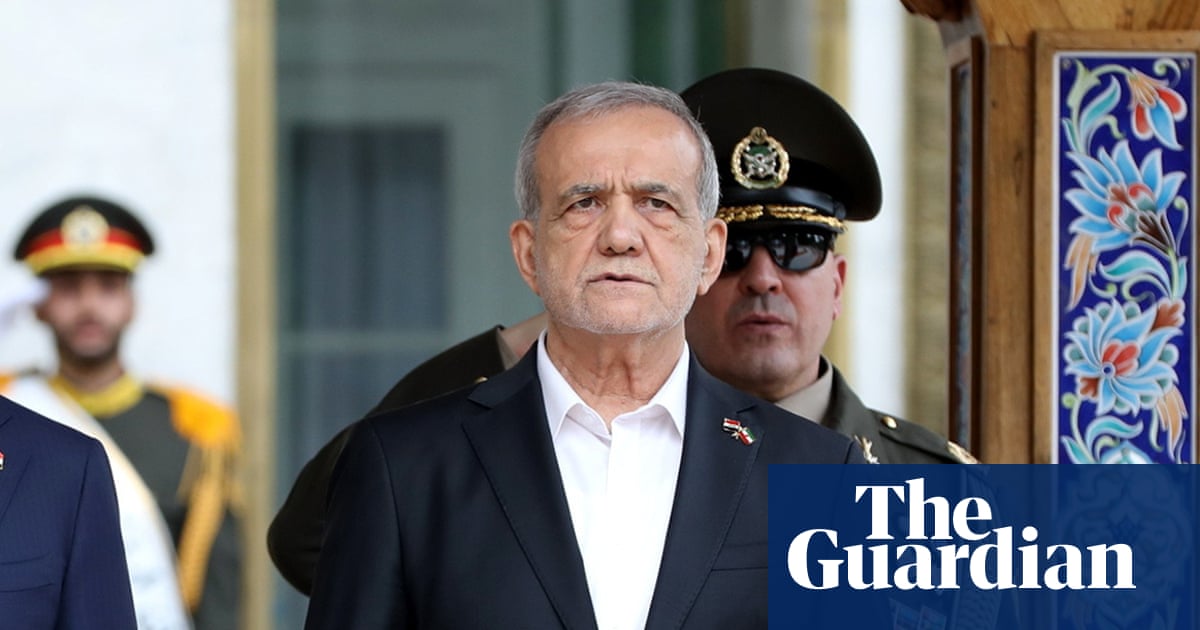
Iran’s President Masoud Pezeshkian recently went on television to deny rumors that he’s been threatening to quit his job. These rumors came out just as the United States and Europe are pushing for a deal to reopen the Strait of Hormuz—a super important waterway where a huge chunk of the world’s oil passes through.
Important Point: The Strait of Hormuz is like a narrow hallway that oil tankers must pass through. Whoever controls this hallway has a lot of power over global oil prices and supply.
The Resignation Rumors Explained
Where Did the Rumors Come From?
A man named Mohammad Bagher Kharazi claimed that President Pezeshkian had threatened to resign many times—both verbally and in writing. Kharazi isn’t just some random person; he’s connected to Iran’s most powerful family:
- He’s married to the sister of Mojtaba Khamenei, Iran’s Supreme Leader
- This makes him the brother-in-law of Massoud Khamenei (the Supreme Leader’s younger brother)
What Kharazi Claimed
According to Kharazi, here’s what happened:
- President Pezeshkian felt left out of important decisions
- The Supreme Leader has been hiding since getting badly injured in an Israeli bombing that killed his father
- Pezeshkian got so frustrated he kept threatening to quit
- The Supreme Leader supposedly warned he’d accept the next resignation threat
The Official Response
Everyone in power denied this story:
- Supreme Leader’s office: Called the claims "fundamentally false and untrue"
- President Pezeshkian: Said "If I want to resign, I will officially announce that I have resigned. I will not resign, I will stand."
- President’s senior aide (Mehdi Tabatabaei): Called it "complete nonsense and lies"
- A reformist reporter (Ahmad Zeidabadi): Said the claims only make tensions worse
The Real Fight: Should Iran Talk to the US?
Important Point: The resignation rumors are really a smokescreen for a much bigger battle: Should Iran make a deal with the United States?
The Two Sides
| President Pezeshkian’s Side (Reformists) | Hardline Opponents |
|---|---|
| Want to negotiate with the US | Oppose any talks with the US |
| Believe diplomacy can help Iran’s economy | See talks as "capitulation" (surrender) |
| Negotiated a memorandum of understanding in June | Call hopes for a deal "futile" |
| Want to reopen Strait of Hormuz for trade | Label peace talks "unforgivable betrayal" |
The Supreme Leader’s Complicated Position
Mojtaba Khamenei (the Supreme Leader):
- In April: Said he opposed talks with the US "in principle"
- But: Allowed them to go ahead "in deference to Pezeshkian"
- Since March: Hasn’t been seen or heard publicly after being injured in an Israeli strike
The Strait of Hormuz Deal Details
The US and Europe want a deal to reopen this vital shipping channel. Here’s what’s on the table:
The Proposed Agreement
- Ships would ENTER the strait using a route close to Iran
- Ships would EXIT using a route that passes through BOTH Iranian and Omani waters
- Oman (a neighboring country) is being pressured to accept this temporary agreement
Oman’s Worry
Officials in Muscat (Oman’s capital) fear this deal would:
- Leave Iran with near-permanent dominance over the strait
- Give Iran too much control over global oil shipping
President Pezeshkian’s TV Interview
The interview marked his second anniversary in office (halfway through his term). He used it to:
- Deny resignation rumors forcefully
- Claim harmony with the military
- Dismiss claims that 30,000 people died in January protests (saying critics never provided proof)
- Defend his belief in consensus (working together) as a strength, not weakness
- Stand by the June memorandum with the US as a "cornerstone for Iranian foreign relations"
Why This Matters to the World
Oil Prices & Global Economy
The Strait of Hormuz handles about 20-30% of the world’s oil. Any disruption or power shift there affects gas prices everywhere.
Regional Stability
Iran’s internal power struggle affects:
- Middle East tensions
- US-Iran relations
- Israel-Iran conflict
- Global diplomacy efforts
Democracy vs. Hardline Control
The president’s aide accused hardliners of being "puppets of Iran’s enemies" who "cannot accept democratic outcomes"—referring to Pezeshkian’s election victory.
Summary
Iran is in the middle of a high-stakes internal power struggle disguised as resignation rumors. President Pezeshkian wants to negotiate with the US to reopen the vital Strait of Hormuz and improve Iran’s economy. Hardliners connected to the Supreme Leader oppose any deal with America, calling it betrayal. The Supreme Leader himself is injured and absent, creating a leadership vacuum. Meanwhile, the world watches because whoever controls the Strait of Hormuz holds a lever over the global oil supply.
FAQ: Your Questions Answered
Why is the Strait of Hormuz so important?
Think of it as the world’s most critical oil highway. About one-fifth to one-third of all globally traded oil passes through this narrow waterway between Iran and Oman. If it closes or if one country controls it completely, oil prices worldwide can skyrocket.
Who is Mojtaba Khamenei and why does his injury matter?
He’s Iran’s Supreme Leader—the highest authority in the country, above even the president. He was badly injured in an Israeli bombing in March that killed his father (the previous Supreme Leader). Since then, he hasn’t appeared publicly, creating uncertainty about who’s really running Iran.
What’s the difference between Iran’s President and Supreme Leader?
The President (Pezeshkian) is elected by the people and handles day-to-day government operations. The Supreme Leader (Khamenei) is a religious figure appointed for life who has final say on all major policies, military matters, and foreign affairs. The President works under the Supreme Leader.
Why do hardliners oppose talks with the US?
They view the US as "the Great Satan" and believe any negotiation is surrender. They fear that making deals legitimizes American pressure and undermines Iran’s revolutionary principles. They also worry it weakens their own political power.
Could President Pezeshkian actually resign?
He says absolutely not. In his interview, he was very clear: "I will not resign, I will stand." However, in Iran’s system, the Supreme Leader can dismiss the president—or pressure him to resign. The rumors suggest this power dynamic is at the heart of the current conflict.