11
11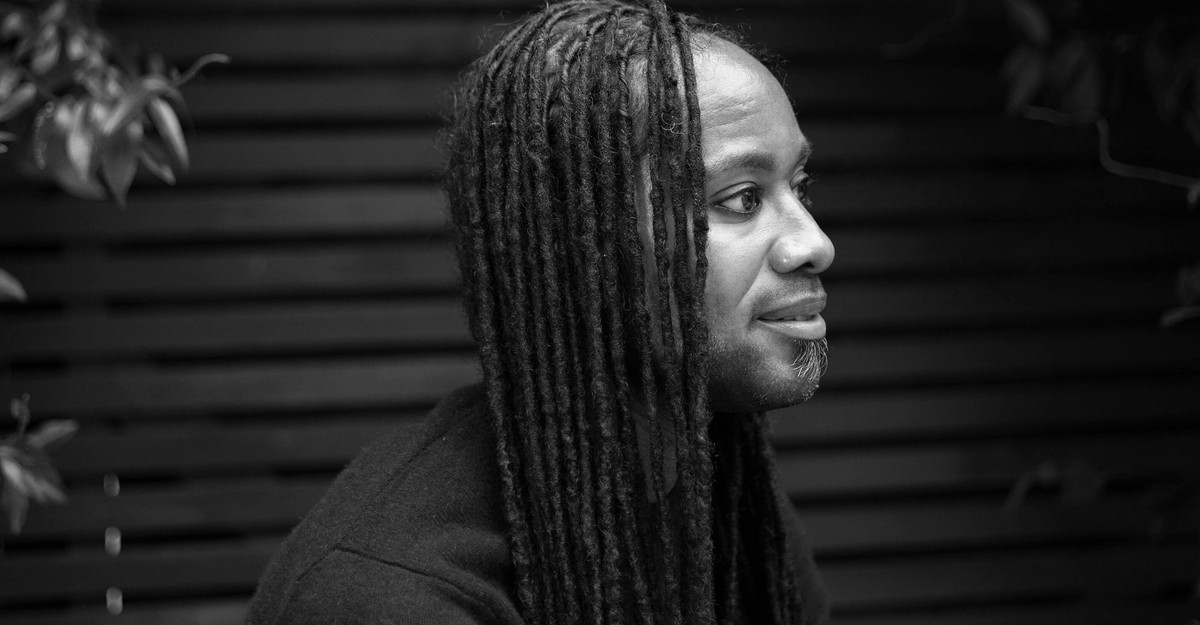
Jason Arday was once celebrated as an inspirational success story. Here’s what made him famous:
IMPORTANT POINT: Arday’s story wasn’t just about academic success — it became a symbol of triumph over disability, racism, and poverty.
A philosopher named Nathan Cofnas published evidence showing 36 passages in Arday’s 2015 PhD dissertation matched another scholar’s 2009 work (Paula Zwozdiak-Myers). Even the title seemed copied — with a misused apostrophe.
Arday’s alma mater (Liverpool John Moores University) investigated and cleared him — but only after receiving complaints the previous fall.
Other researchers noticed:
Cambridge announced it was investigating "new information about Professor Arday’s academic qualifications and honorary appointments."
Arday resigned, saying: "I want to reclaim some peace, some privacy and some semblance of an ordinary life."
Arday’s book Great and Unfortunate Things tells an incredible life story. But the details keep changing:
| Detail | In the Memoir | In the Book Proposal | In Public Statements |
|---|---|---|---|
| Prophecy in Brazil | 2006, from aid worker | 2005, from "shaman woman" | — |
| Brain tumors | Two tumors | One tumor + testicular cancer | — |
| Car accident/coma | Not mentioned | 3-month coma, locked-in syndrome, "miraculous" recovery | — |
| Suicide attempt | During pandemic | Before pandemic | — |
| Attackers’ age | Same age | 4 years older | — |
| Charity runs | Not in book | 300 miles in 3 days, 600 miles in 6 days | Later said 600 miles took 12 days |
| BBC Up series | — | — | Claimed he was in it (later called "an analogy") |
IMPORTANT POINT: The book’s fact-checker didn’t respond to verification requests. Editors and co-writer also declined to answer questions.
Arday has responded to allegations:
IMPORTANT POINT: The philosopher who exposed the plagiarism (Cofnas) has controversial views on race and intelligence. But concerns quickly spread beyond his circle to mainstream academics and journalists.
This case reveals a systemic problem in academia, media, and publishing:
In his book proposal, Arday wrote: "Everybody says, ‘Jason is the guy that teaches everyone the tricks.’"
He admits he couldn’t really do the work — he needed massive accommodations:
| Phase | What Happened |
|---|---|
| Rise | Arday overcame severe disabilities to become Cambridge’s youngest Black professor; memoir deal signed |
| Fall | Plagiarism found in dissertation; evidence of data duplication in papers; life story inconsistencies exposed |
| End | Cambridge investigates; Arday resigns; memoir still publishing next week |
| Lesson | Institutions prioritized an inspiring narrative over rigorous verification |
According to his memoir and public statements, yes. But given the other inconsistencies in his story, some now question even these foundational claims.
Cofnas showed 36 matching passages. Liverpool John Moores University investigated and cleared him, but didn’t publish their reasoning. Other researchers found additional troubling patterns.
His hiring was celebrated as a diversity triumph. The article suggests the university wanted the story to be true — and may have lowered standards to make it happen.
Yes. Simon & Schuster says they’re "proceeding with publication" next week, and it’s an "Editors’ Pick" on Amazon.
He resigned from Cambridge. His academic reputation is severely damaged. The memoir will publish, but its credibility is now widely questioned.
Jason Arday’s story is either one of the most remarkable triumphs in modern academia — or one of the most elaborate deceptions. The truth likely lies in a messy middle: a man with real disabilities who was enabled beyond reason by a system desperate for his story to be true.
As the article ends: "What if my story ends up being a cautionary tale like Icarus about flying too close to the sun?" — Jason Arday, in his own memoir.
We now have our answer.