Senate Democrats Block Defense Bill Over Iran War Disagreement
What Happened?
Imagine the U.S. Senate is like a big classroom that needs to agree on a very important school safety plan. On Tuesday in Washington, the Senate Democrats said "no" to moving forward with a must-pass yearly defense bill. They did this because they are upset about how the Trump administration is handling a war with Iran.
- The bill is called the National Defense Authorization Act (NDAA) — think of it as the rulebook that sets what the military should focus on each year.
- Democrats blocked it from moving forward with a procedural vote (an early "should we even talk about this?" vote).
- The final tally was 50 to 46 against advancing the bill.
- Senate Majority Leader John Thune voted "no" on purpose — this special move lets him bring the bill back later for another try.
Important Point: The NDAA is usually passed with support from both parties, but this time it got stuck because of a fight over Iran.
Why Did Democrats Block It?
Democratic Senator Richard Blumenthal from Connecticut said the bill had become "a referendum on the Iran war" — meaning, a way to vote about whether they agree with the war.
Here’s the big picture in kid-friendly terms:
- Democrats say President Trump started and continued actions in Iran without asking Congress for permission.
- A 1973 law called the War Powers Resolution is like a house rule: if the president sends troops without Congress declaring war, they must tell Congress within 48 hours, and the action can only last up to 60 days without approval.
- The Trump administration says fighting in Iran "ended" in April, but then said it started again recently. On Monday, they officially told Congress hostilities (fighting) had resumed.
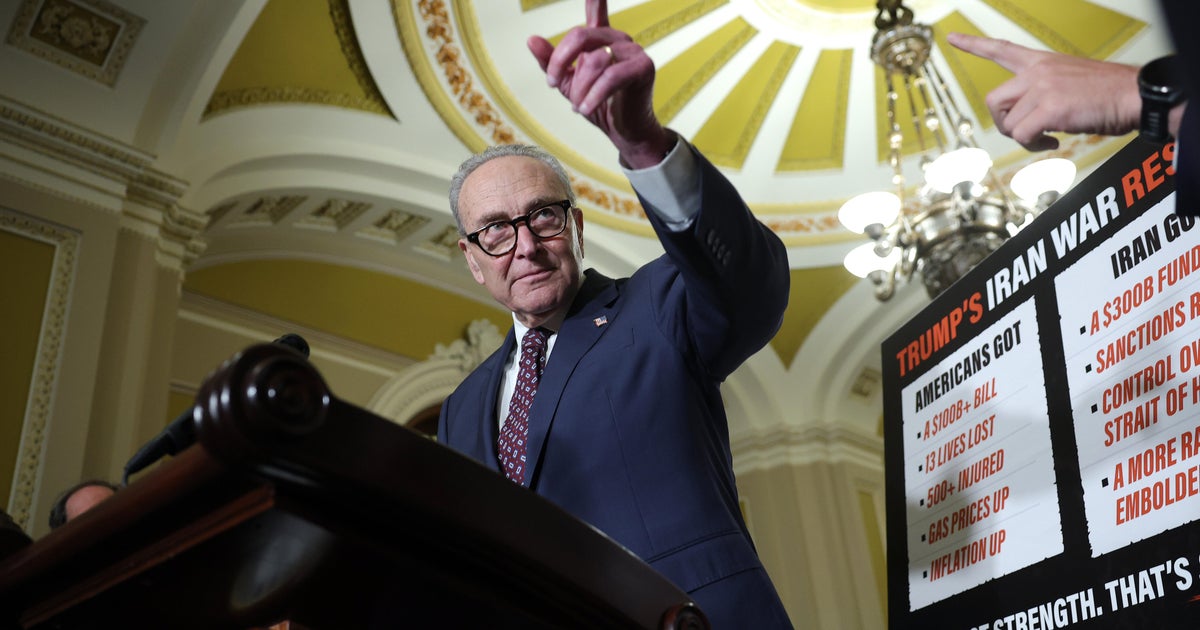
Senate Minority Leader Chuck Schumer said it made no sense to debate the defense bill while ignoring the "most urgent national security crisis." He said:
- "We cannot" ignore Iran.
- He accused President Trump of "waging an unauthorized war" and not explaining the cost, mission, or end plan.
- He warned the NDAA should not become a "permission slip" for what he called recklessness in Iran.
What Did Republicans Say?
Senate Majority Leader John Thune (from South Dakota) wanted Democrats to support the bill. He said:
- Republicans were ready to vote yes.
- He saw "no reason" for Democrats to oppose.
- He felt Democrats were using "politics of obstruction" (blocking things just for political reasons) over the past year and a half.
- He hoped they wouldn’t put politics ahead of supporting soldiers.
Thune also explained why the NDAA is a "strong bill":
- Big focus on unmanned systems like drones and counter-drone tools.
- Continued building of ships to make the Navy stronger.
- Keeping at least 1,800 fighter jets and supporting a new B-21 long-range bomber.
- Reforms from last year to buy things smarter, including multi-year contracts.
- A 3.6% pay raise for troops, plus more money for education, housing, health care, and childcare.
Important Point: Thune praised the bill as good for national security and for the people who defend the country, regardless of the Iran disagreement.
How the Vote Worked (Simple Steps)
- The Senate held a procedural vote to see if they should start debating the NDAA.
- Democrats voted no because of the Iran issue.
- The vote failed 50–46.
- Thune voted no too, which is a trick to let him reintroduce the bill later.
- The bill is paused for now but can come back.
Summary
Senate Democrats blocked the annual NDAA defense bill from advancing in a 50–46 vote because they disagree with how President Trump is handling the war with Iran without Congress’s approval. Republicans, led by Thune, say the bill is vital for troops and security and hope to bring it back soon. The fight shows a clash between party politics and national security priorities.
FAQ
Q1: What is the NDAA?
A: It’s the National Defense Authorization Act — a yearly law that sets defense priorities like pay, equipment, and military goals. It usually passes with support from both parties.
Q2: Why do Democrats think the Iran war is a problem?
A: They say the president started and continued fighting in Iran without Congress’s permission, which goes against the 1973 War Powers Resolution.
Q3: Why did John Thune vote against his own side’s bill?
A: He used a procedural move by voting no so he can bring the bill up again later for another chance to pass it.
Q4: What good things are in the NDAA according to Thune?
A: Drones, more ships, fighter jets, a 3.6% troop pay raise, and better housing and health care for military families.
 1
1