Popular Posts

Don’t Miss It: Exact Dates & Tips to Watch the 2026 Perseid Meteor Shower

Don’t Miss It: Exact Dates & Tips to Watch the 2026 Perseid Meteor Shower

What Are Meteor Showers and How to Watch the Perseids?

What Is a Meteor Shower?

Imagine a dirty snowball flying through space—that’s a comet or asteroid! As it travels, it leaves behind a trail of tiny dust.

  • A meteor shower happens when this dust from a passing comet or asteroid passes through Earth’s atmosphere.
  • The tiny particles are roughly the size of a grain of sand.
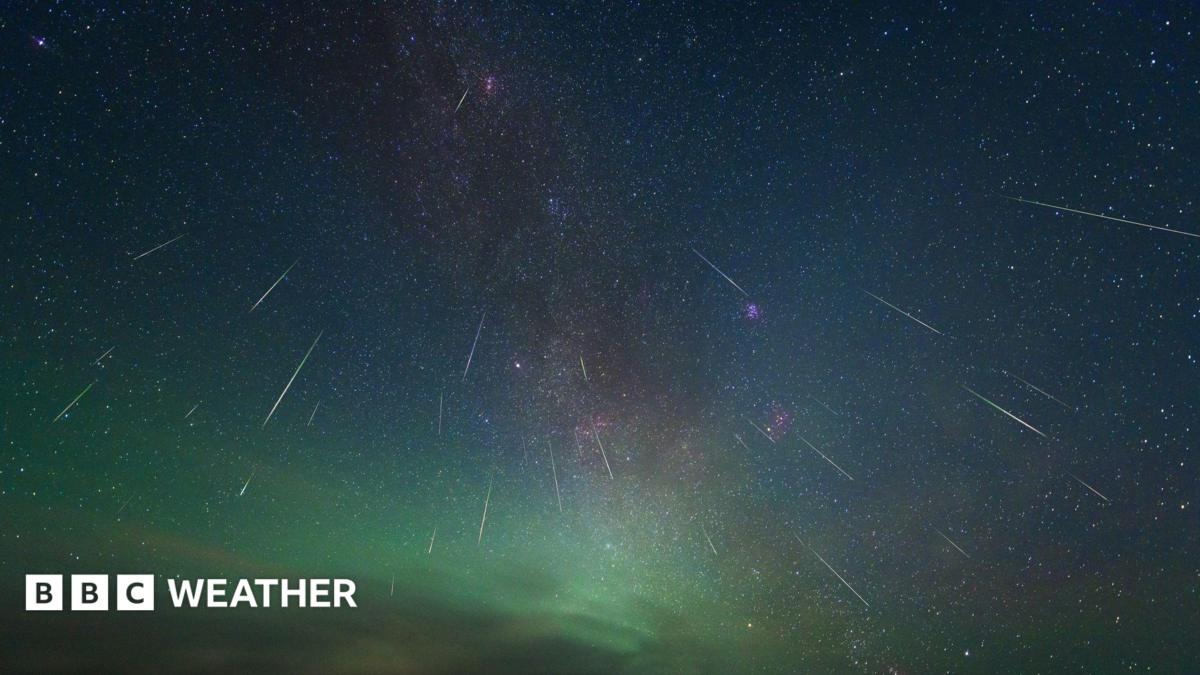
  • When they hit the atmosphere, they burn up (or vaporise) and create visible streaks of light in the sky.

Where Do the Most Meteors Appear?

Sometimes the dust trail is thicker in some parts.

  • In the most dense parts of the dust stream, more meteors are visible.
  • This means you’ll see more “shooting stars” in those busy zones.

The Perseids: A Super Active Shower

The Perseids are a special and famous meteor shower.

  • They are known for being a very active shower.
  • During their peak, up to 150 meteors per hour are possible!
  • They are also famous for their bright “fireball” meteors (extra bright streaks).

Important Point: The Perseids can show up to 150 meteors every hour at their best, plus glowing fireballs!

How to Spot the Perseids

Want to watch them? Here’s what to do:

  1. Look for the point in the sky where the meteors seem to start from—this is called the radiant.
  2. For the Perseids, the radiant is in a group of stars called the constellation of Perseus.
  3. Find Perseus in the sky, then gaze nearby and enjoy the show!

Summary

Meteor showers happen when sand-sized dust from comets or asteroids burns up in Earth’s atmosphere, making light streaks. The Perseids are a very active shower with up to 150 meteors per hour and bright fireballs. To watch them, look toward their radiant in the constellation Perseus.

FAQ

Q1: What causes a meteor shower?
A: Dust from a comet or asteroid enters Earth’s atmosphere and burns up, creating streaks of light.

Q2: How big are the particles that make meteors?
A: About the size of a grain of sand.

Q3: Why are the Perseids so special?
A: They are very active (up to 150 meteors per hour at peak) and known for bright fireball meteors.

Q4: What is a radiant?
A: The spot in the sky where meteors appear to come from; for Perseids, it’s in Perseus.

Leave a Reply

Your email address will not be published. Required fields are marked *