11
11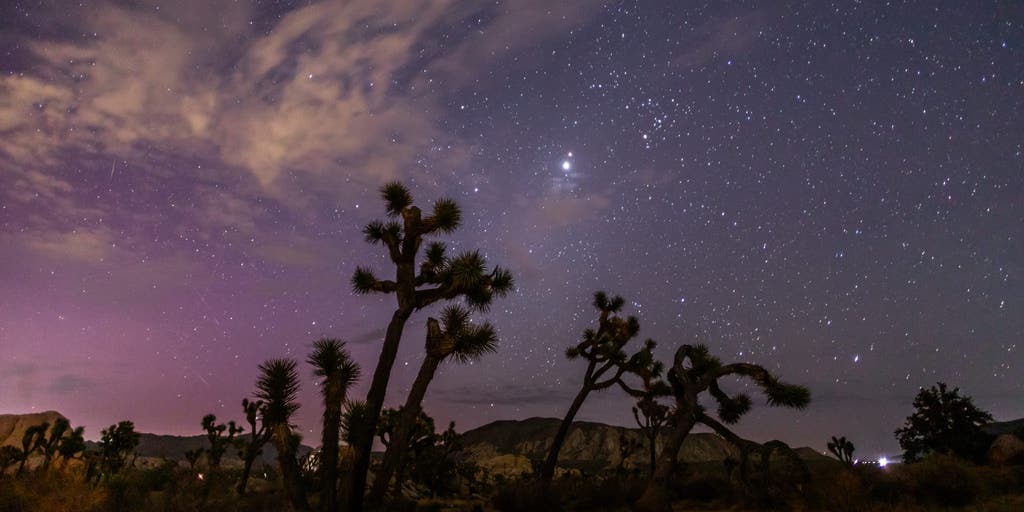
A meteor lit up the sky over Palo Alto, California, while a driver was on the road on Sunday. Think of it like a tiny space rock saying "hi" by glowing as it zips through the sky.
Skywatchers, get ready — one of the year’s most popular meteor showers is back and set to light up the August night sky.
The Perseid meteor shower is one of the most anticipated astronomical events of the year. (Astronomical just means "having to do with space and the sky.")
Important Point: The Perseids are caused by Earth moving through dusty leftovers from a comet — not by the comet hitting us!
The Perseids are active from July 17 through Aug. 24, but the best viewing is expected during the peak from Aug. 12 into Aug. 13.
According to the American Meteor Society, the meteors are called the Perseids because they appear to radiate from the constellation Perseus. (A constellation is a group of stars that looks like a picture in the sky.)
The shower’s peak comes just hours after a total solar eclipse visible from parts of Greenland, Iceland, and Spain. (A solar eclipse is when the moon blocks the sun for a little while.)
For the best viewing experience, experts recommend the following:
Important Point: Dark skies + patience = the best meteor-watching experience!
Whether you’re an experienced stargazer or simply looking to make a wish on a shooting star, the Perseid meteor shower is one of the summer’s most spectacular celestial displays.
The Perseid meteor shower is a super popular space event in August. It happens when Earth passes through comet crumbs, creating bright, fast meteors. This year, the best view is Aug. 12–13, with up to 100 meteors per hour thanks to a dark new moon. Go somewhere dark, let your eyes adjust, and look up after midnight to enjoy the show!
What exactly is a meteor?
A meteor is a small piece of space rock or dust that glows brightly as it burns up entering Earth’s atmosphere — also called a "shooting star."
Do I need a telescope to see the Perseids?
Nope! You can see them with your own eyes. Just find a dark spot and look up.
Why is this year’s Perseid shower extra good?
Because the peak happens during a new moon, the sky is darker, making more meteors visible.
Where should I look in the sky?
You can see them all over the night sky, but they appear to stream from the constellation Perseus.
Can kids enjoy the Perseid shower too?
Absolutely! It’s a fun, free, natural light show that anyone can watch.