 11
11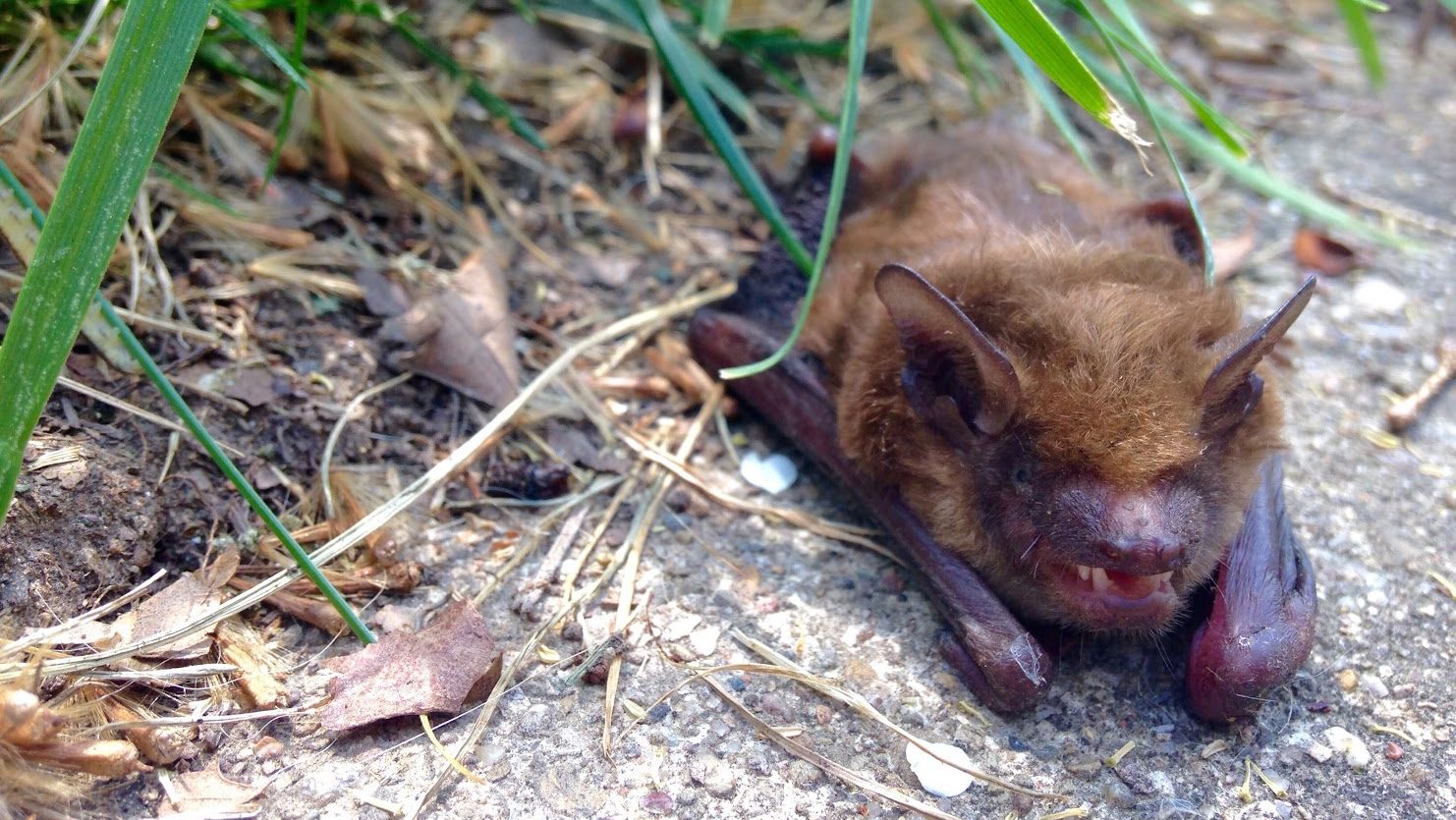
On July 15, 2026, a bat with rabies was found on the sidewalk on University Way Northeast, between NE 41st and NE 42nd streets in Seattle. This spot is close to Parrington Lawn on the University of Washington campus — a busy area with lots of shops and people.
Here is the timeline of events:
The people who reported the bat did not touch it, and so far no one else is known to have touched this bat.
Important: If you think you touched this bat — even if you were not bitten — you could be in danger. Call Public Health at 206-296-4774 right away or get medical help to see if you need rabies prevention treatment.
Rabies is a sickness that can kill you. But here is the good news: it can be stopped if you get treatment before you feel sick. Once signs of rabies show up, it is almost always fatal.
Any person or animal that touched the bat or its spit (saliva) could catch rabies. This includes:
As Public Health Veterinarian Jocelyn Mullins said: “Rabies is treatable if caught before symptoms appear, so identifying anyone who has had contact with the bat as soon as possible is important.”
Important: Rabies is almost always fatal after symptoms start, but it is preventable with early treatment.
If your pet may have touched this bat, call your vet immediately. This includes:
These animals should already have their rabies shot, but if they met a bat, they need a new (booster) vaccine. The best way to protect pets is to keep their rabies vaccines up to date.
Rabies is a virus (a tiny germ) that attacks the brain and nerves. It is almost always deadly once symptoms begin. The germ lives in the saliva of a sick animal and usually spreads by bite or scratch.
Key facts to remember:
A rabid bat was found near the University of Washington on July 15, 2026, and tested positive on July 17. No known person touched it, but anyone who did should call 206-296-4774 immediately. Rabies is deadly after symptoms start but can be prevented with quick treatment. Keep pets vaccinated, never touch bats, and call experts if you find one.
1. What should I do if I touched the rabid bat?
Call Public Health at 206-296-4774 or get medical help right away to see if you need prevention treatment.
2. Can my pet get rabies from the bat?
Yes, if your pet had contact, call your vet immediately. Even vaccinated pets need a booster shot after bat contact.
3. Is rabies always fatal?
Once symptoms appear, it is almost always fatal. But treatment before symptoms works and prevents the disease.
4. What if I find a bat in my house but it didn’t touch anyone?
Open windows to let it leave, close off other rooms, and keep pets away. Call Public Health if unsure.
5. Who pays for bat rabies testing?
Public Health tests bats for rabies at no charge in certain situations — call them to find out.