11
11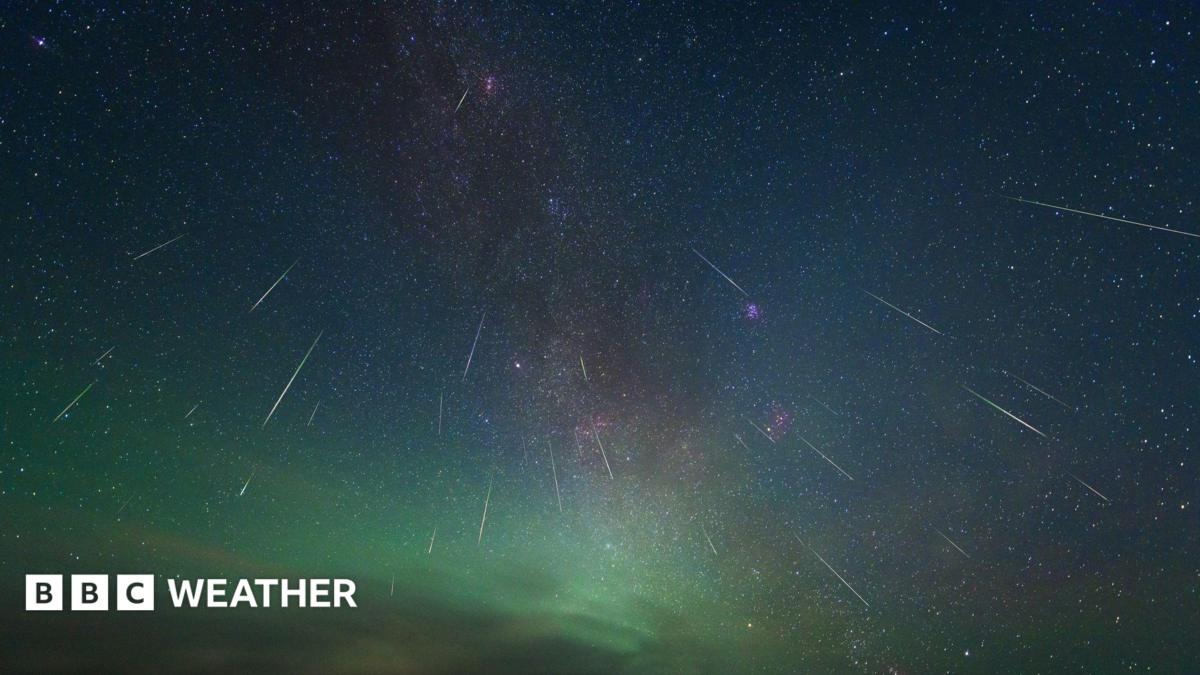
Imagine a dirty snowball flying through space—that’s a comet or asteroid! As it travels, it leaves behind a trail of tiny dust.
Sometimes the dust trail is thicker in some parts.
The Perseids are a special and famous meteor shower.
Important Point: The Perseids can show up to 150 meteors every hour at their best, plus glowing fireballs!
Want to watch them? Here’s what to do:
Meteor showers happen when sand-sized dust from comets or asteroids burns up in Earth’s atmosphere, making light streaks. The Perseids are a very active shower with up to 150 meteors per hour and bright fireballs. To watch them, look toward their radiant in the constellation Perseus.
Q1: What causes a meteor shower?
A: Dust from a comet or asteroid enters Earth’s atmosphere and burns up, creating streaks of light.
Q2: How big are the particles that make meteors?
A: About the size of a grain of sand.
Q3: Why are the Perseids so special?
A: They are very active (up to 150 meteors per hour at peak) and known for bright fireball meteors.
Q4: What is a radiant?
A: The spot in the sky where meteors appear to come from; for Perseids, it’s in Perseus.