 11
11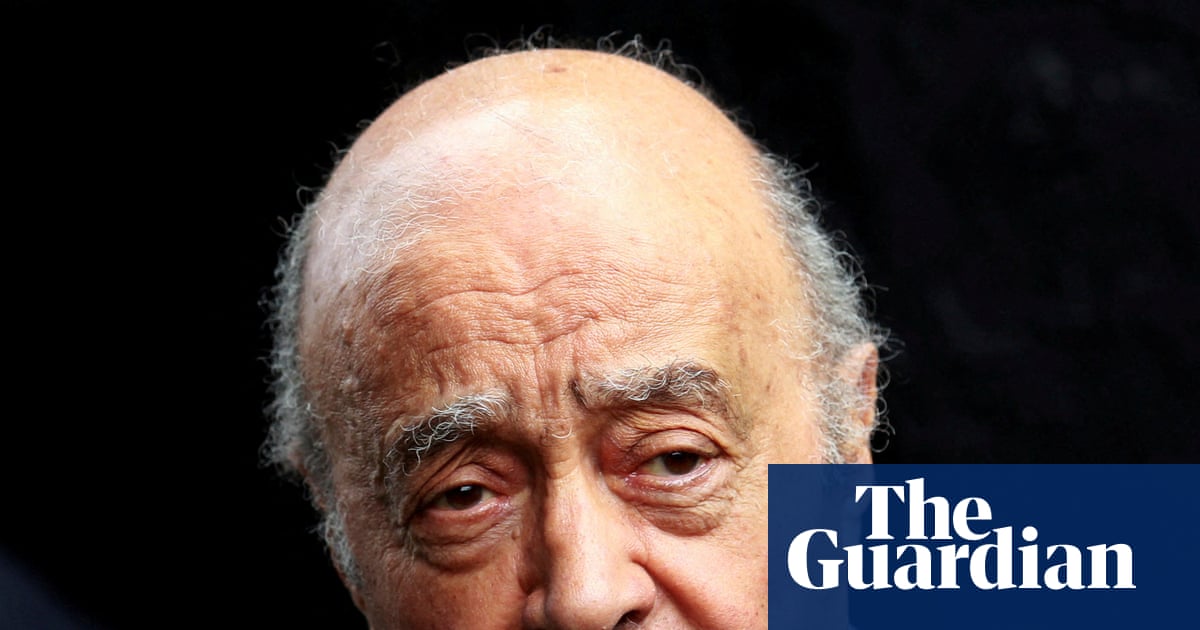
The UK government has officially confirmed that at least five women who were abused by Mohamed Al Fayed (the former owner of Harrods department store) were victims of human trafficking. This is a very serious legal finding that changes how the crimes are understood.
Important Point: Human trafficking means people were moved or recruited by force, lies, or pressure for the purpose of exploitation. It doesn’t always mean crossing borders — it can happen within one country too.
Survivors and investigators say Fayed could not have abused so many women without help. Here’s how it happened:
Some women were tricked into coming to Harrods with promises of real jobs — but the roles didn’t exist. They were brought there specifically to be abused.
Other women got real jobs at Harrods (like working on the shop floor or in offices). Later, they were singled out and groomed for abuse.
Victims were sent to Fayed’s properties worldwide:
Survivors say Harrods and Fayed’s other businesses helped cover it up — by ignoring complaints, moving women around, or pressuring them to stay quiet.
Important Point: This wasn’t just one place. It was a network of businesses and properties Fayed controlled — all used to recruit, move, and silence women.
The Metropolitan Police (London’s police force) opened an investigation called Operation Cornpoppy to find out who helped Fayed.
| Detail | Status |
|---|---|
| Investigation started | 21 months ago |
| People questioned so far | 4 |
| Focus | Who facilitated (helped make possible) the trafficking and abuse |
Survivors have urged police to make trafficking the main focus — not just the sexual abuse — because the system that fed women to Fayed is key.
“It’s really shocking to read… seeing it in writing that you were a victim of modern slavery.”
“He couldn’t have done what he did without Harrods processing women to him and silencing them afterwards… It was any entity Fayed owned — his yachts, aviation business, the Ritz Paris, properties all over the world.”
| Time Period | Allegations |
|---|---|
| 1977 – 2014 | Over 400 allegations of sexual misconduct |
Types of abuse reported:
Important Point: These are allegations — but the Home Office has now confirmed trafficking in at least 5 cases, which is a legal finding, not just an accusation.
Victims have complained for years about how the Metropolitan Police handled investigations.
Harrods spokesperson:
“Harrods supports all survivors in their pursuit of justice and continues to work closely with the Met police on its investigation.”
Human trafficking was confirmed — by the UK Home Office — in at least 5 cases.
Fayed used his business empire (Harrods, Ritz Paris, yachts, properties) to recruit, move, and silence victims.
Over 400 allegations span nearly 40 years — but Fayed died without facing charges.
Police are investigating who helped him (Operation Cornpoppy) — but only 4 people questioned in 21 months.
The Met Police is under investigation for how it handled past complaints.
Survivors want trafficking treated as the core crime — not just the sexual abuse.
Mohamed Al Fayed, the late billionaire owner of Harrods, used his global business empire to traffic and abuse women for decades. The UK government has now officially recognized at least five women as victims of human trafficking — a major legal step. Survivors say Fayed couldn’t have done it alone — his companies recruited women through fake jobs, moved them across countries, and silenced them. A police investigation (Operation Cornpoppy) is looking into who helped him, but progress is slow. Meanwhile, the Metropolitan Police is being investigated for failing victims for years. Harrods says it supports survivors and cooperates with police. Fayed died in 2023 without ever being charged.
Human trafficking is when someone is tricked, forced, or pressured into a situation where they’re exploited — for sex, labor, or other abuse. It can happen within one country or across borders. The key is control and exploitation, not just movement.
The Home Office giving a “conclusive grounds decision” means the UK government officially recognizes these women as victims of modern slavery and trafficking. This gives them legal rights to support, protection, and justice — and proves the crime in the eyes of the state.
Survivors say yes — that Harrods processed women for Fayed (hired them, moved them, ignored complaints) and silenced them afterwards. The current Harrods owners say they support survivors and cooperate with police, but the full extent of past knowledge is still under investigation.
Despite over 400 allegations over nearly 40 years, no charges were ever brought. Reasons may include: police failures, lack of evidence at the time, Fayed’s wealth and power, and victims being too afraid to come forward. The new trafficking findings may change that — but Fayed is now dead.