 11
11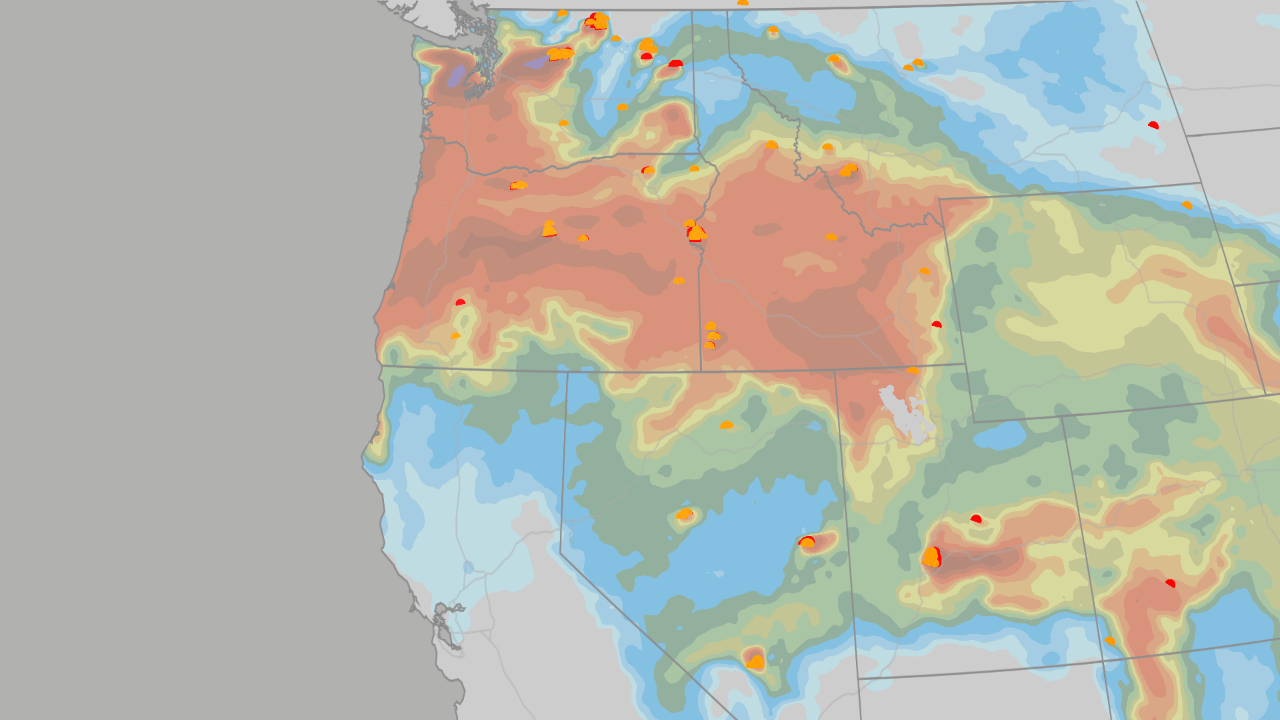
Imagine a giant campfire burning across several states, and the wind is blowing all that smoke right into major cities like Seattle, Portland, and Spokane. That’s exactly what’s happening right now in the Pacific Northwest. Dozens of large wildfires are burning, and the smoke is making the air unhealthy to breathe for millions of people. On top of that, a heat wave is pushing temperatures into the 90s and even 100s.
IMPORTANT: This isn’t just hazy skies—it’s a serious health risk. The air quality in many areas has reached "Unhealthy" or even "Hazardous" levels.
Quick Fact: The Weather Company has a live wildfire tracker if you want to see exactly where fires are burning in real time.
Think of the wind like a giant fan blowing from east to west. Here’s the timeline:
| Day | Wind Direction | Areas Affected |
|---|---|---|
| Now through Wednesday | East/Northeast (offshore winds) | I-5 Corridor: Seattle, Tacoma, Olympia + Willamette Valley: Portland, Salem, Corvallis, Eugene |
| Thursday | West-to-east (normal pattern returns) | Smoke pushes eastward across the Rockies → Yellowstone, Aspen, Salt Lake City |
| Weekend | Shifting patterns | Gradual improvement, but smoke may linger |
Pro Tip: If you’re planning a trip to Yellowstone or Colorado mountains late this week—reconsider. The smoke will be thick there too.
The same weather pattern trapping the smoke is also cranking up the heat:
| City | Expected Highs | Context |
|---|---|---|
| Seattle | Near 90°F | Could tie daily records |
| Portland | Upper 90s°F | Some neighborhoods over 100°F |
| Eugene/Medford, OR | 100°F+ | Flirting with all-time records |
Silver Lining (sort of): Thick smoke can block some sun and knock a few degrees off peak temps—but don’t count on it for relief.
Wildfire smoke isn’t just "dirty air." It contains tiny particles (PM2.5)—30x smaller than a human hair—that:
Remember: Kids, elderly, pregnant people, and anyone with asthma/heart conditions are at much higher risk.
Before going outside, check the AQI (Air Quality Index):
| Color | Level | What to Do |
|---|---|---|
| Green | Good | Enjoy the outdoors! |
| Yellow | Moderate | Sensitive people: take it easy |
| Orange | Unhealthy for Sensitive Groups | Sensitive groups: limit outdoor time |
| Red | Unhealthy | Everyone: limit outdoor time |
| Purple | Very Unhealthy | Everyone: avoid outdoor exertion |
| Maroon | Hazardous | Stay indoors! |
How to check:
| What’s Happening | What It Means | What You Should Do |
|---|---|---|
| 30+ large fires in OR/WA | Massive smoke production | Check AQI daily |
| East winds through Wed | Smoke hits I-5 corridor & Willamette Valley | Stay indoors if AQI orange+ |
| Heat wave (90-100°F) | Double stress on body | Hydrate, avoid exertion, cool spaces |
| Thu: winds shift east | Smoke hits Rockies (Yellowstone, Aspen) | Adjust travel plans |
| Weekend: cooler, storms possible | Some relief, but flood risk on burns | Stay alert for warnings |
Bottom Line: Treat this like a "shelter in place" for your lungs. Check the AQI before every outdoor activity. Protect kids, elders, and pets. The air will clear—but until it does, your health comes first.
For most healthy adults, yes—but listen to your body. If you feel throat irritation or coughing, stop. Sensitive groups should still limit intense outdoor exercise.
No. Smoke particles are too small. You need a properly fitted N95, KN95, or P100 respirator. The DIY box-fan filter is a great home alternative.
Yes, but set it to "recirculate" mode so it doesn’t pull in outside air. If you have a fresh-air intake, close it. Upgrade to a MERV 13+ filter if your system can handle it.
Yes. Even healthy people can get headaches, fatigue, coughing, and reduced lung function from prolonged exposure. Long-term repeated exposure raises heart/lung disease risk.
Models show gradual improvement this weekend as winds shift and temperatures drop. However, fires will keep burning until significant rain or snow arrives—likely not until fall/winter.
Stay safe, stay informed, and breathe easy (indoors)!