Popular Posts

El-Sayed Wins Michigan Primary: Left Secures Huge Midwest Victory

El-Sayed Wins Michigan Primary: Left Secures Huge Midwest Victory

Abdul El-Sayed Wins Michigan Democratic Senate Primary: What Happened and Why It Matters

The Big News in Simple Terms

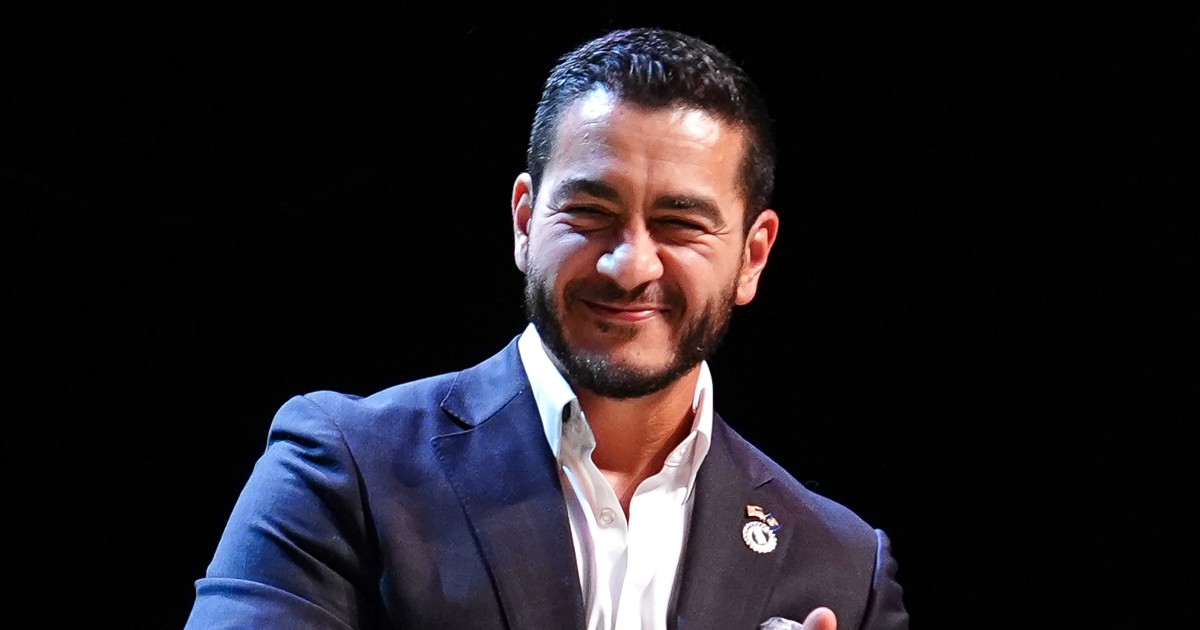
Abdul El-Sayed just won the Democratic nomination for U.S. Senate in Michigan. He beat Congresswoman Haley Stevens in a tight primary race. Now he’ll face Republican Mike Rogers in November for the Senate seat being left open by retiring Senator Gary Peters.

Important Point: This race is a huge deal because it could help decide which party controls the Senate. Republicans currently have 53 seats. Democrats need to flip four seats to win the majority—and Michigan is one of the key battlegrounds.


Who Is Abdul El-Sayed?

  • Background: Former public health official (he ran Detroit’s health department)
  • Political style: Progressive populist—he runs on big, bold ideas like "Medicare for All"
  • Key supporters: Senator Bernie Sanders, Representative Alexandria Ocasio-Cortez (AOC), and the United Auto Workers (UAW) union
  • Past race: Lost to Gretchen Whitmer in the 2018 Democratic primary for governor

Who Is Haley Stevens?

  • Background: Four-term Congresswoman from Michigan
  • Political style: Establishment Democrat—aligned with party leaders
  • Key supporters: Governor Gretchen Whitmer, Senator Gary Peters, Senate Minority Leader Chuck Schumer
  • Funding advantage: Massive outside spending from corporate PACs and pro-Israel groups (including AIPAC)

How the Primary Played Out

1. The Money Battle

  • Stevens and allies spent ~$65 million—nearly 9 times more than El-Sayed’s side
  • Over $30 million came from a group linked to AIPAC (a powerful pro-Israel lobbying organization)
  • El-Sayed turned this into a campaign theme: "If you need a $60 million crutch, you probably can’t be elected on your own terms."

2. The Establishment vs. The Insurgents

Stevens (Establishment) El-Sayed (Progressive Insurgent)
Governor Whitmer’s endorsement Bernie Sanders & AOC barnstormed the state
Senate leadership backing UAW endorsement (huge in car-making Michigan)
Corporate PAC money Grassroots-funded, anti-corruption message

3. The Third Candidate Factor

  • State Senator Mallory McMorrow ran as a "compromise" candidate
  • She dropped out a month before the primary
  • Her exit sharpened the fight between Stevens and El-Sayed

4. The Final Weeks Got Nasty

  • Leaked audio from an El-Sayed donor call: He said a Michigan win could inspire primary challenges against moderate Democrats like Senator John Fetterman in 2028—using the phrase "put an ogre on a pike"
  • Stevens fired back at a debate: "These folks are making fun of the way I sound. But yet, I sound like the people who need help."

Why Michigan? Why Now?

A Purple State with Blue-Collar Roots

  • Trump won Michigan in 2016 and 2024; Biden won in 2020
  • It’s a true swing state—the definition of a battleground

The Gaza Factor Mattered Here

  • Michigan has large Muslim and Arab American communities
  • El-Sayed called Israel’s actions in Gaza "genocide"—a position that resonated deeply in these communities
  • Stevens supported aid to Israel; AIPAC-backed ads attacked El-Sayed over this

A Test for the Progressive Movement

Important Point: Progressives have won primaries in deep-blue states like New York and Colorado. Michigan was the test: Can this movement win in a purple, industrial Midwestern state? Answer: Yes.


What Happens Next? The General Election

The Matchup: El-Sayed vs. Mike Rogers

  • Mike Rogers: Former Republican Congressman, former FBI agent, former House Intelligence Committee chair
  • GOP primary: Rogers ran unopposed after Trump endorsed him early
  • Republican strategy: They wanted El-Sayed to win—they ran ads highlighting his progressive views and Sanders endorsement, thinking he’s easier to beat in November

Why This Race Could Decide the Senate

  1. Open seat (Peters retiring)
  2. Swing state with history of close elections
  3. National implications—every seat matters when the majority hinges on 4 flips
  4. High spending expected—both parties will pour resources in

Key Takeaways (The "Too Long; Didn’t Read" Version)

Important Points to Remember:

  • El-Sayed won despite being outspent ~9:1—a rare upset fueled by grassroots energy
  • Progressives proved they can compete in swing states, not just safe blue ones
  • The Israel/Gaza issue played a major role in a state with significant Arab American voters
  • Republicans think El-Sayed is easier to beat—they actively tried to help him win the primary
  • November will be a brutal, expensive, high-stakes fight for Senate control

Summary

Abdul El-Sayed pulled off a stunning upset in Michigan’s Democratic Senate primary, defeating establishment favorite Haley Stevens despite a $65 million spending disadvantage. Backed by Bernie Sanders, AOC, and the UAW, El-Sayed ran on a populist platform—Medicare for All, getting money out of politics, and opposition to U.S. aid for Israel’s war in Gaza. That last issue resonated powerfully in Michigan’s Arab American communities.

Now El-Sayed faces former GOP Congressman Mike Rogers in November. Republicans wanted this matchup—they ran ads boosting El-Sayed in the primary, believing his progressive label makes him vulnerable in a swing state Trump carried twice. But El-Sayed’s win shows the progressive movement can compete beyond deep-blue districts. With the Senate majority hanging by a thread, this race will be one of the most watched, most expensive, and most consequential in the country.


FAQ: Your Questions Answered

1. Who is Abdul El-Sayed in plain English?

He’s a doctor and former Detroit health director who runs on big progressive ideas like universal healthcare and fighting corporate money in politics. Think of him as the "Bernie Sanders wing" candidate.

2. Why did Haley Stevens lose despite spending so much more?

Money doesn’t always win—especially when voters feel the system is rigged. El-Sayed turned Stevens’ massive corporate/outside funding into a liability, arguing she was bought. His message connected with working-class and Arab American voters who felt ignored.

3. What does "Medicare for All" actually mean?

It means one government-run health insurance plan for everyone—no private insurance premiums, deductibles, or copays. You go to the doctor, the government pays. It’s a major expansion of the current Medicare program (which only covers seniors and some disabled people).

4. Why do Republicans want El-Sayed to be the nominee?

They think labeling him a "radical progressive" or "socialist" will scare moderate/suburban voters in a swing state. Their primary ad literally highlighted his Sanders endorsement—to help him win, so they can attack him in the general.

5. How close will the November race be?

Extremely. Michigan is a 50/50 state. Trump won it twice; Biden won it once. The Senate majority may come down to this one seat. Expect hundreds of millions in ads, nonstop campaigning, and a nail-biter on Election Night.

Leave a Reply

Your email address will not be published. Required fields are marked *