 11
11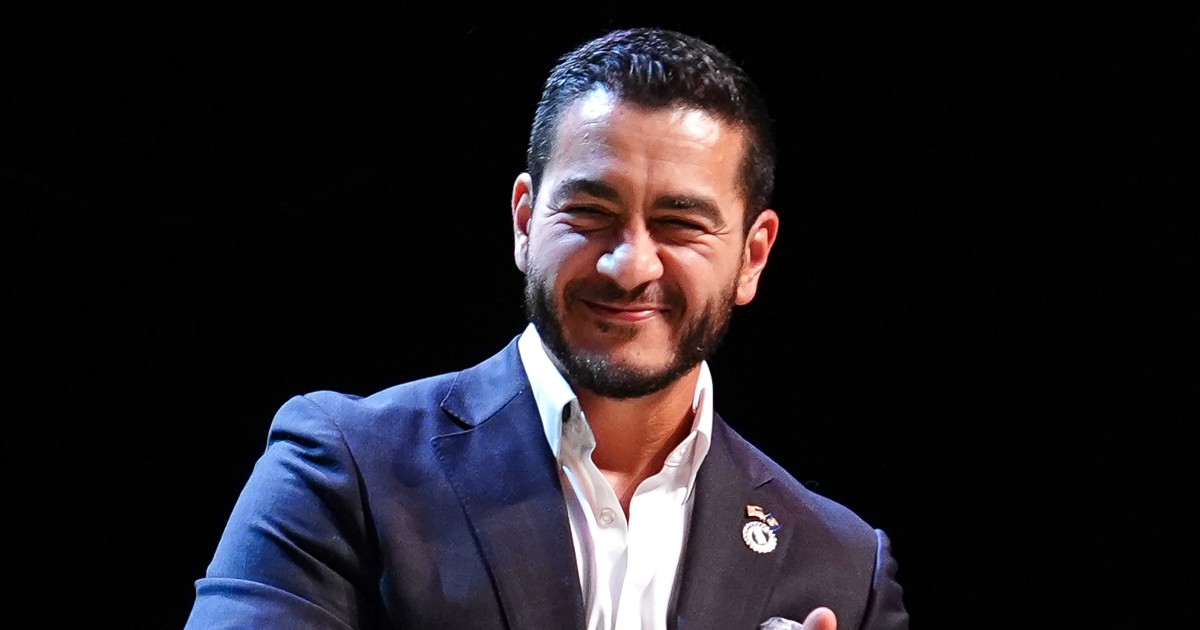
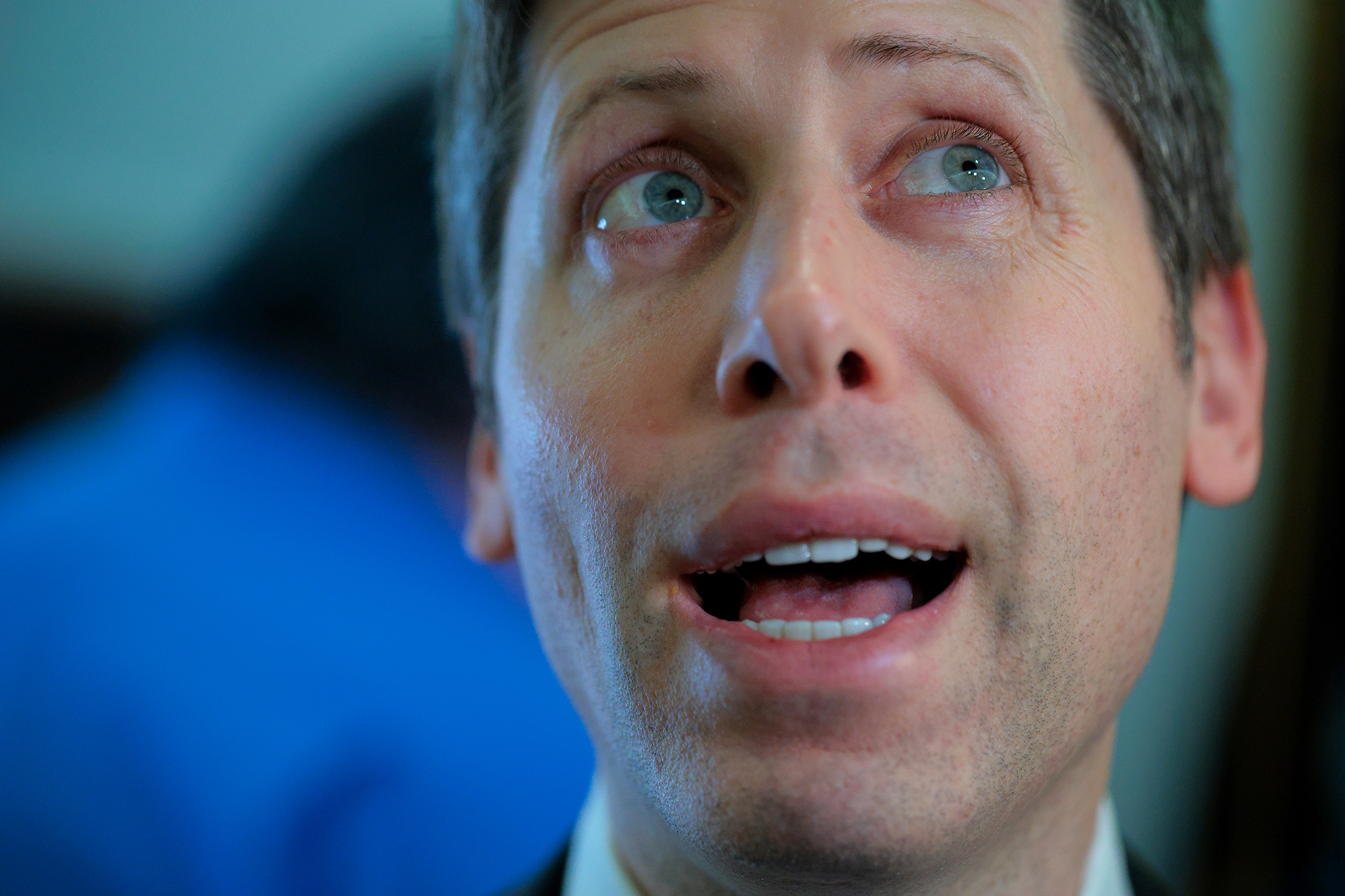
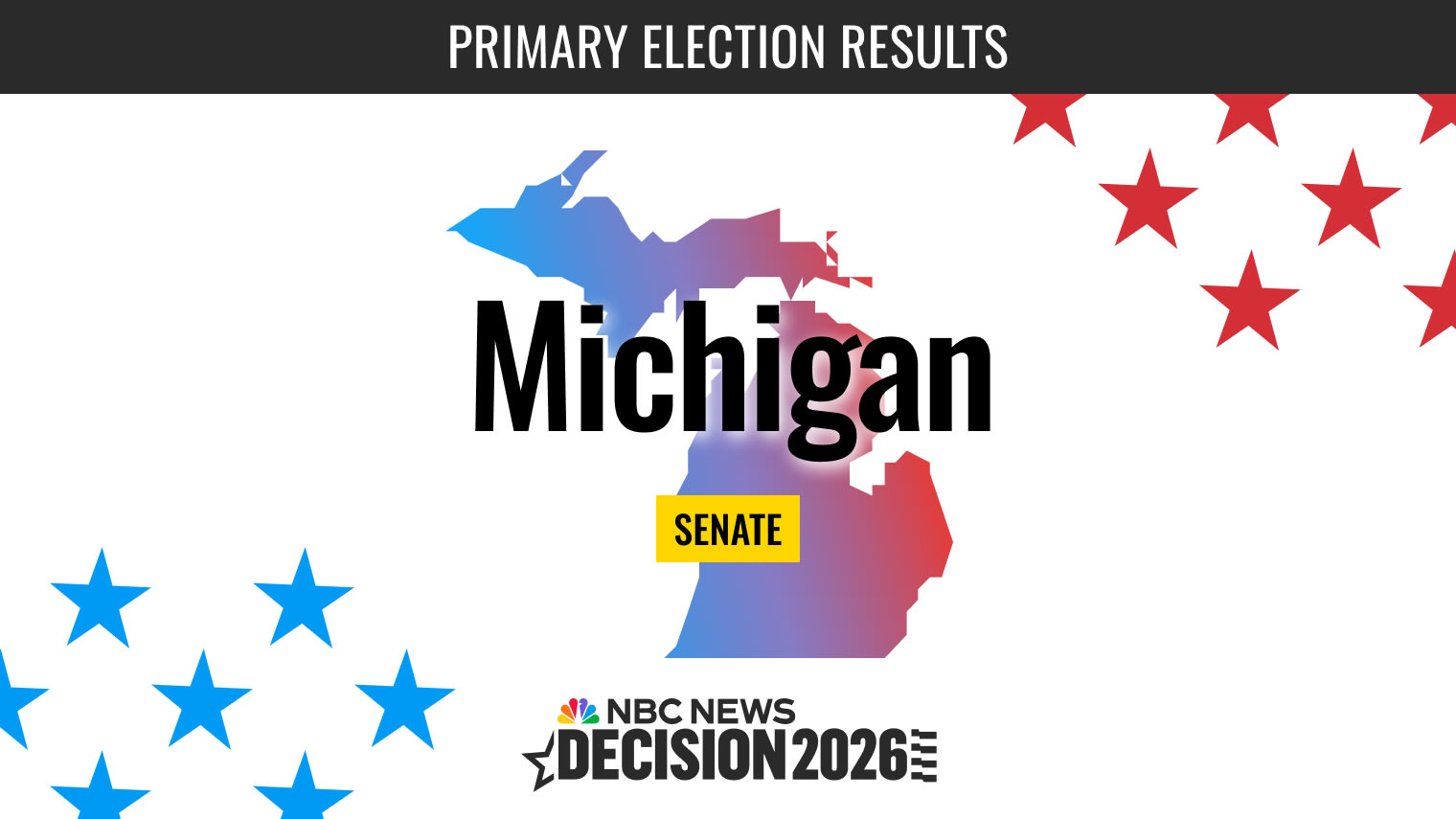
Abdul El-Sayed just won the Democratic primary election for the U.S. Senate seat in Michigan. Think of a primary like a "semi-final" game — it decides who gets to represent the Democratic Party in the "championship" (the general election) this November.
NBC News projects El-Sayed as the winner in a tight race against Congresswoman Haley Stevens.
| Person | Role | Team |
|---|---|---|
| Abdul El-Sayed | Former public health official, progressive candidate | Winner — Democratic nominee |
| Haley Stevens | Current U.S. Representative (4 terms), establishment favorite | Runner-up |
| Mike Rogers | Former Congressman, Republican nominee | Opponent in November |
| Gretchen Whitmer | Popular Governor of Michigan | Endorsed Stevens |
| Gary Peters | Current Senator (retiring) | Endorsed Stevens |
| Bernie Sanders & AOC | National progressive leaders | Endorsed & campaigned for El-Sayed |
| United Auto Workers (UAW) | Major labor union in Michigan | Endorsed El-Sayed |
| Side | Money Spent | Sources |
|---|---|---|
| Haley Stevens & Allies | ~$65 million (outside money) + $30M+ from AIPAC-linked group | Corporate PACs, establishment Democrats, pro-Israel groups |
| Abdul El-Sayed & Allies | ~1/9th of Stevens’ ad spending | Small donors, unions (UAW), progressive groups |
Key term: PAC (Political Action Committee) = groups that raise money to support candidates. Super PACs can spend unlimited amounts but can’t coordinate directly with campaigns.
El-Sayed’s response:
"If you need a $60 million crutch, you probably can’t be elected on your own terms."
— At a Detroit debate
IMPORTANT POINTS — KEEP THESE IN MIND
- El-Sayed won despite being outspent ~9:1 on TV ads.
- He built a coalition: Progressives (Sanders, AOC) + Labor (UAW) + Arab/Muslim voters.
- Republicans wanted El-Sayed — they ran ads highlighting his "progressive credentials" thinking he’d be easier to beat in November.
- This is a "purple state" test: Can a bold progressive win statewide in the Midwest?
- The general election will be brutal: Expect $100M+ spent, national attention, and a fight for every vote.
Abdul El-Sayed pulled off a major upset in Michigan’s Democratic Senate primary, defeating establishment favorite Haley Stevens despite a $65 million onslaught of outside spending. His victory signals that progressive populism can compete in swing states — not just deep-blue ones. He now faces former Republican Congressman Mike Rogers in a high-stakes November showdown that could determine control of the U.S. Senate. The race will test whether a "people vs. corporations" message can overcome massive money, Trump’s influence, and a battleground state’s divided politics.
A primary is an election within a party to choose their candidate for the general election. It matters because it decides who represents the party — and often reveals the direction the party is heading (establishment vs. progressive, moderate vs. bold).
AIPAC (American Israel Public Affairs Committee) is a powerful pro-Israel lobbying group. They opposed El-Sayed because he criticized U.S. aid to Israel and accused Israel of genocide in Gaza. Their affiliated PAC ran ads supporting Stevens and attacking El-Sayed.
This is called "meddling" or **"ratf*ing" — the Republican Senatorial Committee ran ads highlighting El-Sayed’s progressive views (Sanders endorsement, Medicare for All) because they believed he’d be easier to beat in November than the more moderate Stevens.
It’s a proposal for single-payer healthcare — the government pays for everyone’s healthcare (like Medicare now, but for all ages). No private insurance premiums, deductibles, or copays. El-Sayed made this a centerpiece.
It’s a toss-up. Michigan is a true battleground. El-Sayed has energy, a clear message, union backing, and strong minority turnout potential. But Rogers has Trump’s base, likely massive GOP funding, and a "moderate" label. The race will be expensive, nasty, and decided by slim margins.