 11
11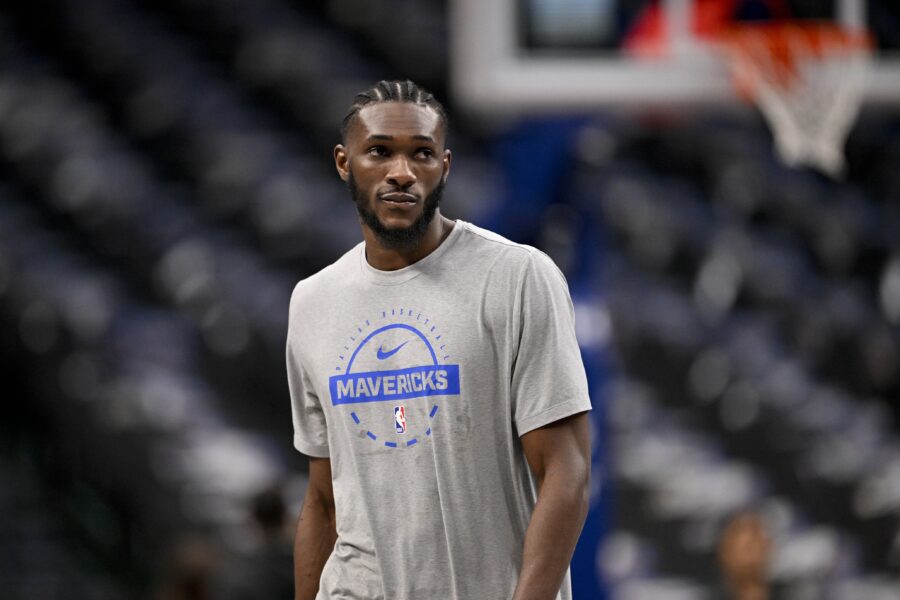
The New York Knicks have signed Moussa Cisse — a center (a tall player who usually stays near the basket) for the Dallas Mavericks — to a two-year offer sheet. An offer sheet is like a job contract one team gives to another team’s player. Because Cisse was a restricted free agent, his old team (the Mavericks) gets to decide if they want to keep him by matching the offer.
This was first reported by Jake Fischer of The Stein Line, and confirmed by Shams Charania of ESPN.
Here’s the simple breakdown of Cisse’s proposed deal with the Knicks:
Important: Dallas has until Monday at 11:59 pm ET to decide whether to match the Knicks’ offer and keep Cisse, or let him go to New York.
The Knicks were looking for a young backup center (a second-string big man). Before signing Cisse, they tried to trade for:
Those trades didn’t happen, so they went after Cisse instead.
Let’s get to know the player:
From a money view, yes — Dallas has the cash to match. But there are other factors:
However:
Important: A wildcard is Dallas’s new front office led by president Masai Ujiri and GM Mike Schmitz. We don’t know if they like Cisse enough to keep him.
The Knicks gave restricted free agent Moussa Cisse a two-year, mostly non-guaranteed minimum-level offer sheet. Dallas can match until Monday night. Cisse is a young, athletic center who played okay in the NBA and great in the G League last year. The Mavericks have other centers but some injury and experience concerns, plus a new management team that may or may not value him.
1. What is a restricted free agent?
A player whose old team can choose to match any offer from another team to keep him.
2. What does “two-way contract” mean?
It lets a player spend time in both the NBA and its minor league (G League).
3. Why can’t the Knicks pay Cisse more?
They are near a hard spending limit (second-apron cap), so they can only offer near the minimum salary.
4. What happens if Dallas does not match?
Cisse becomes a Knick under the new offer sheet terms.
5. Who reports this news?
Jake Fischer (The Stein Line), Shams Charania and Bobby Marks (ESPN).