U.S. Launches Strikes on Iran and Restarts Sea Blockade: A Kid-Friendly Breakdown
A Picture from the Scene
Image: An F-35B Lighting II, attached to Marine Fighter Attack Squadron (VMFA) 121, takes off from the flight deck of America-class amphibious assault ship USS Tripoli (LHA 7), May 13, 2026. (Courtesy: U.S. Navy)
What Is Going On?
Imagine a very important narrow passage in the ocean called the Strait of Hormuz. Lots of boats carrying oil use it like a busy hallway. The U.S. military says it attacked some targets in Iran and then restarted a "blockade" (like a stop sign for ships) near Iranian ports. This is to stop Iran from messing with commercial ships in that area.
Key Facts in Simple Steps
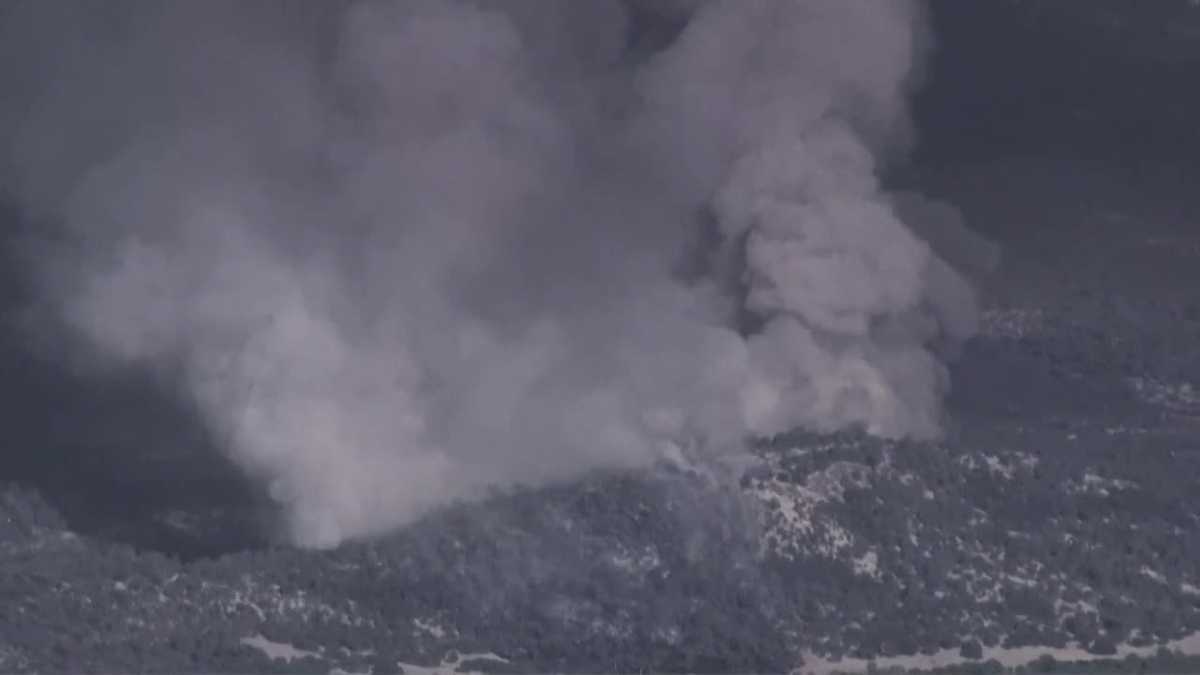
- Strikes begin: On Tuesday, U.S. Central Command (CENTCOM – the military team in charge of that region) said the U.S. launched strikes at 3 p.m. ET. The goal: "degrading Iranian capabilities used to attack commercial shipping" in the Strait.
- Blockade restarts: The naval blockade in the Gulf of Oman (a nearby sea) was set to restart at 4 p.m. ET. This blockade covers Iranian ports in and around the Strait of Hormuz.
- Earlier time-out: The blockade had been lifted after the U.S. and Iran agreed to a temporary ceasefire (a pause in fighting) as part of a 14-point memorandum of understanding signed last month.
- Ceasefire ends: President Donald Trump last week declared the ceasefire was "over" after multiple flare-ups of hostilities and each side accused the other of violating the deal.
- Blockade returns: On Monday, Trump announced the U.S. would reimpose the blockade because Iran’s efforts to take control of the strait by force appear to have ramped back up as the ceasefire fell by the wayside.
- Shipping drops: Ship tracking firms found commercial shipping traffic through the waterway dropped sharply recently. It was already far below prewar levels even when the ceasefire was in effect. Before the U.S. and Israel launched the war against Iran in late February, the strait saw 20% of the world’s oil pass through it.
Important Callout: Trump insisted on his social media: "The Hormuz Strait is OPEN, and will remain OPEN, with or without Iran." This was part of his announcement that the blockade was back on.
The Story of the 20% Fee
- In the same post, Trump said the U.S. will start demanding reimbursement—like a toll booth—"at the rate of 20% on all cargo shipped" through the strait.
- Energy experts and shipping industry groups, including the United Nations’ International Maritime Organization, met the proposal with deep skepticism and swift opposition. Critics quickly brought back recent clips of Trump administration officials declaring that it would be illegal for a country to impose tolls in an international waterway.
- One day after announcing the 20% fee plan, Trump reversed course. On Tuesday morning, he claimed on Truth Social that he would "replace" the proposed toll with "Trade and Investment Deals that the various Gulf States will be making into the United States."
- At the White House later Tuesday, Trump said he had fielded calls from world leaders who told him "we’d love to do it a different way." He said: "I like that, actually, because I don’t think anybody should be able to charge a fee for the strait. I don’t think anybody should be really in that position, but we were doing it as a reimbursement."
- He said he spoke with Saudi Arabia, the United Arab Emirates, Qatar, Bahrain, Kuwait and others. None of those countries have yet revealed plans this week to boost investment in the U.S.
Breaking News Note: This is breaking news. Please refresh for updates.
Why This Matters (Bullet Points)
- The Strait of Hormuz is a giant oil hallway: before the war, 20% of the world’s oil passed through it.
- Commercial shipping has dropped sharply, which could affect global trade.
- The back-and-forth on fees shows how tricky international water rules are.
Summary
To sum up: The U.S. launched new strikes on Iran and restarted a sea blockade near the Strait of Hormuz after a short ceasefire fell apart. President Trump first wanted to charge a 20% fee on ships using the strait but quickly swapped that idea for trade deals with Gulf countries after pushback. Shipping in the area is low, and the situation is still changing.
FAQ (Simple Questions & Answers)
Q1: What is the Strait of Hormuz?
A: It’s a narrow and economically vital waterway where, before the recent war, about 20% of the world’s oil traveled by ship.
Q2: What does “naval blockade” mean in kid terms?
A: It’s when a country’s navy stops ships from entering or leaving certain ports—like putting a “no entry” fence in the water.
Q3: Who is CENTCOM?
A: U.S. Central Command, the part of the U.S. military that oversees operations in that region, including these strikes.
Q4: Why did Trump propose a 20% charge, and why did he drop it?
A: He said it was to reimburse the U.S. for keeping the strait open. He dropped it after experts said it was illegal and foreign leaders asked for a different approach, offering trade deals instead.
Q5: Is the ceasefire between the U.S. and Iran still happening?
A: No. President Trump declared the ceasefire “over” last week after both sides accused each other of violations.
A Note from the Original Source
The original article also encouraged readers to choose CNBC as their preferred news source on Google to never miss business news updates.
 1
1