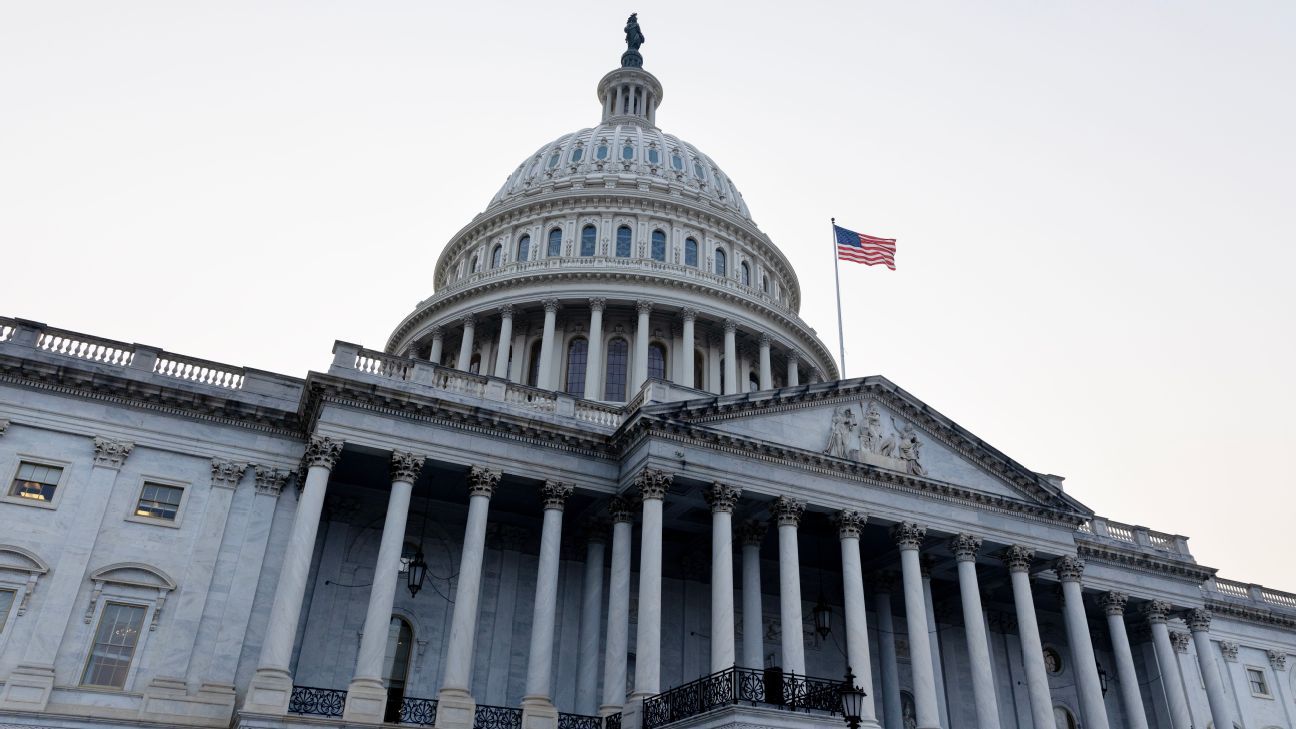
Senate Adjourns, Leaves Protect College Sports Act in Limbo
College Sports Bill Stalls in Senate: What Happened and Why It Matters
The Big Picture: A Bill on the Bench
Imagine a group of friends trying to agree on rules for a neighborhood game. They’ve been arguing for years, and finally someone writes up an official rulebook. But when it comes time to vote… the meeting ends early and nobody votes.
That’s basically what just happened in the U.S. Senate with college sports.
On Thursday, July 30, 2026, senators left for the week without voting on the Protect College Sports Act — a massive bill designed to bring order to the chaos of college athletics. With the Senate going on summer break starting August 7, the clock is ticking loud.
Why This Bill Exists: The Backstory
Important Context
In 2021, the Supreme Court ruled that the NCAA (the main organization running college sports) cannot stop schools from paying players or giving them benefits. Since then, it’s been a bit like the Wild West — schools making their own rules, players transferring freely, and money flowing in confusing ways.
College sports leaders have been begging Congress for a federal law to create one clear set of rules for everyone. This bill was supposed to be that law.
What the Protect College Sports Act Would Do
Here are the key pieces of the bill, explained simply:
1. Legal Shield for the NCAA (Antitrust Exemption)
- Normally, if the NCAA makes rules that limit how much players earn, they could get sued for "price fixing."
- This bill gives them a limited exception — permission to enforce certain rules without getting sued.
2. Conference Size Caps
- The four biggest conferences (Big Ten, SEC, Big 12, ACC) could not grow past 19 schools each.
- Right now: Big Ten has 18, SEC has 16.
- This stops a "super conference" arms race.
3. Media Rights Pooling
- Schools could bundle their TV rights together and sell them as one giant package.
- This helps smaller conferences make more money — like a neighborhood bake sale where everyone pools their cookies to attract bigger buyers.
4. More Money for Athletes
| Current Limit | New Proposal |
|---|---|
| ~$21 million per school in direct payments | + $22.5 million "retention pool" for current players |
| + $5 million dedicated to women’s teams | |
| Total: ~$21M | Total: ~$48.5M |
The Catch: The "Endorsement Loophole"
Schools have been paying players way more than $21M by using boosters and businesses to sign "endorsement deals" that are really just salaries in disguise. The bill tries to close this loophole — but Big Ten and SEC leaders aren’t convinced it works.
Who’s Holding Things Up? The Two Heavyweights
The Big Ten and SEC conferences hold enormous power:
- Together, they represent schools in 26 states
- Their support (or opposition) can make or break a bill in Congress
What Happened This Week:
- Senators Cruz, Cantwell, and Schmitt negotiated changes to win over these conferences
- Big Ten and SEC administrators held separate meetings Thursday
- Neither conference voted to support the bill
- Their main worry: The bill doesn’t give enough legal power to actually enforce a salary cap
What Key People Are Saying
NCAA President Charlie Baker
"There is overwhelming consensus that targeted intervention from Congress is necessary… This is the legislation we need now."
Ohio State Coach Ryan Day
"Whatever the salary cap is, there’s always going to be concern about going over… we’re going to need enforcement."
Big Ten Commissioner Tony Petitti
If Congress doesn’t act, the Big Ten will ask the College Sports Commission to raise the cap — or make their own rules.
SEC Commissioner Greg Sankey
Also raised the idea of the SEC creating its own rules if the bill fails.
What Happens Next? (Step by Step)
- Senate on recess until after Labor Day (August 7+)
- Tiny window remains — Majority Leader John Thune could call a vote early next week
- If no vote before recess → Bill likely stalls until fall at earliest
- Fall reality check → Congress focused on budget + election campaigns
- Plan B emerges → Big Ten and SEC may write their own rulebooks
Why This Matters to Everyone (Not Just Sports Fans)
| Group | Impact |
|---|---|
| Student-athletes | Health benefits, transfer rules, and pay depend on clear laws |
| Universities | Budgets, Title IX compliance, and legal risk hang in balance |
| Fans | Conference realignment, playoff formats, and competitive balance affected |
| Taxpayers | Public universities spend public money — rules affect how it’s used |
Summary: The Game Isn’t Over, But the Clock Is Running
- Bill exists with major reforms (antitrust shield, pay caps, media pooling, more athlete money)
- No Senate vote — adjourned for summer
- Big Ten & SEC unconvinced — worry about enforcement loopholes
- Time running out — recess starts August 7
- Backup plans brewing — power conferences may go rogue
Bottom line: Congress had a chance to referee the chaos. They punted. Now the most powerful conferences are threatening to write their own rulebook — which could leave everyone else behind.
FAQ: Your Questions Answered
What is an "antitrust exemption" anyway?
Simple version: Normally, competitors (like colleges) can’t agree to limit wages — that’s illegal "collusion." An exemption lets the NCAA set a salary cap without getting sued for it.
Why do Big Ten and SEC have so much power?
They contain the most valuable brands (Ohio State, Michigan, Alabama, Texas), the biggest TV deals, and schools in 26 states — meaning 26 senators care what they think.
What’s the "endorsement loophole"?
Schools tell a local car dealer: "Pay our quarterback $500K to ‘endorse’ your dealership." It’s not a salary — wink, wink — but it functions exactly like one. The bill tries to ban this, but enforcement is tricky.
Can conferences really just… make their own rules?
Technically, yes. They’re voluntary associations. But if Big Ten and SEC split off, they’d need to schedule games, run championships, and handle lawsuits themselves — a massive undertaking.
Will college sports collapse if this fails?
No. But it gets messier: lawsuits pile up, players move constantly, small schools fall further behind, and fans get more confused about who plays where and why.
Article based on reporting by Dan Murphy, ESPN Staff Writer, published July 30, 2026.