 11
11
Imagine you have a favorite toy airplane. One day, you notice a tiny crack near the door. It’s small now, but if you keep flying it without fixing it, the crack could get bigger and cause real trouble. That’s basically what the Federal Aviation Administration (FAA)—the people in charge of keeping U.S. skies safe—just found on some real Boeing 737 Max airplanes.
They’ve ordered airlines to check hundreds of planes for these cracks and fix them before flying passengers again.
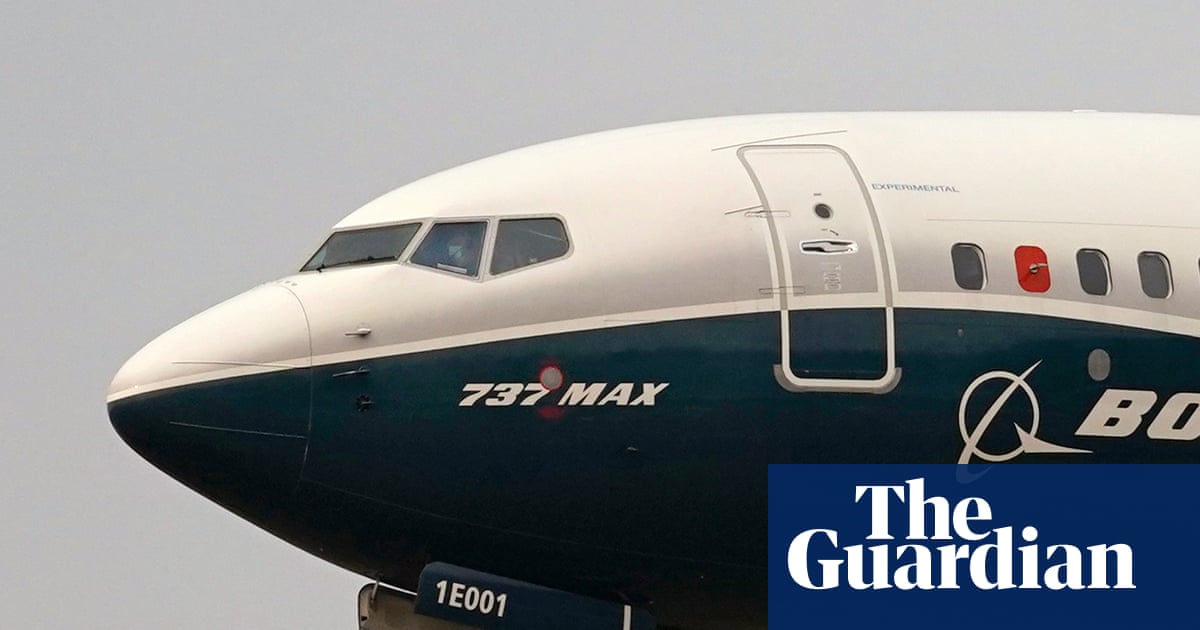
The order covers an estimated 471 U.S.-registered Boeing 737 Max jets, specifically:
Important Callout: This does not mean all 737 Max planes worldwide—just the ones registered in the U.S. Other countries may follow with their own orders.
The cracks showed up in a structural reinforcement—a strong metal frame—around the forward service door on the right side of the plane, right next to the front galley (where flight attendants prepare drinks and snacks).
Think of it like the frame around a house window. If that frame cracks, the wall isn’t as strong as it should be.
The FAA gave clear instructions. Here’s the step-by-step plan:
Good News: The FAA did not ground the fleet. They say the inspection schedule gives mechanics multiple chances to catch cracks early—long before they become dangerous.
Boeing says they’ve:
Boeing’s Statement: “We support both directives and continue to support our airline customers.”
Yes. This isn’t the first time Boeing 737s have had cracking issues.
| Year | Model Affected | Problem |
|---|---|---|
| 2019 | 737-700, 737-800, 737-900 (older “NG” models) | Cracks in the part connecting the fuselage (body) to the wings |
| 2026 (Now) | 737 Max 8, 9, 8-200 | Cracks near the forward right service door |
Boeing says the Max fleet hasn’t shown this exact issue yet, but because the Max shares a similar design and build process, they extended the inspections as a precaution.
This is part of a bigger pattern of scrutiny since January 2024, when a door plug blew out on an Alaska Airlines 737 Max 9 mid-flight.
Investigators found four missing bolts that should have held the door plug in place—bolts that were missing when Boeing delivered the plane in October 2023.
Recent Update (July 2026): The FAA also proposed another inspection order—this time for seat assemblies on 453 Max jets—in case they were installed incorrectly.
No. The FAA says the inspection schedule is designed to find cracks long before they become a safety risk. Planes with cracks are not allowed to fly until fixed.
Possibly, but only if your plane is due for inspection and hasn’t been checked yet. Airlines are working to minimize disruptions.
This specific order applies only to U.S.-registered planes. However, other countries’ aviation authorities often follow the FAA’s lead.
Because the cracks grow slowly and the inspection intervals are frequent enough to catch them early—like checking your car’s tires every week instead of waiting for a blowout.
You can ask your airline what plane you’re booked on. Most airlines also let you change flights (sometimes for a fee) if you’re uncomfortable. But know that these inspections are exactly how the safety system is supposed to work—finding and fixing issues before they become dangers.