 11
11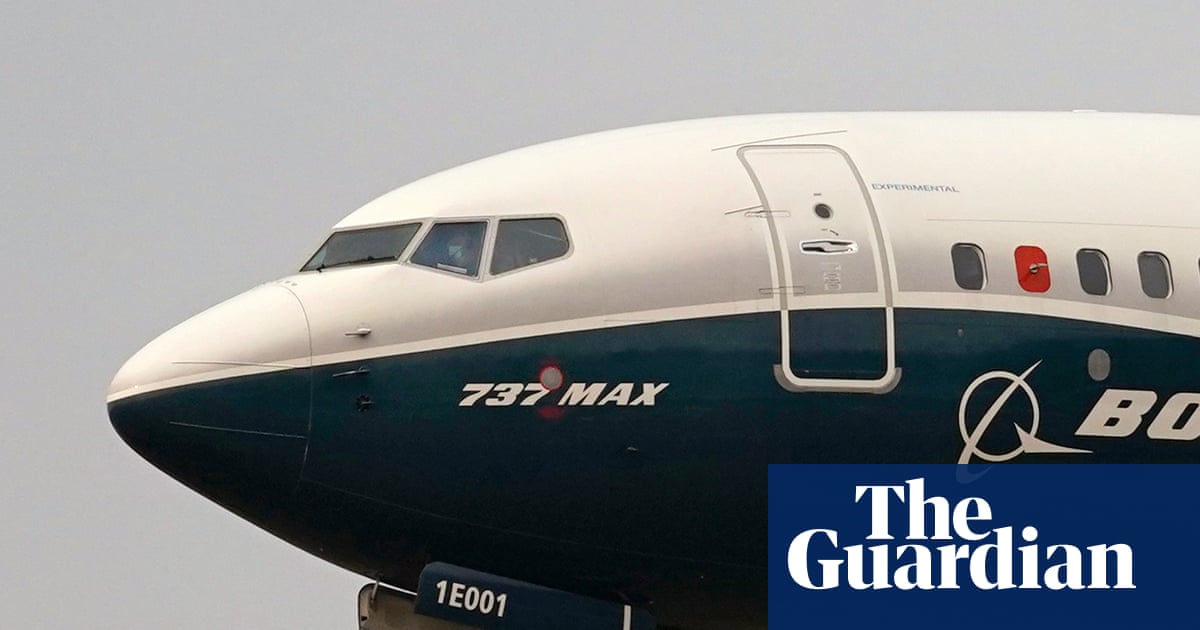
The Federal Aviation Administration (FAA)—the U.S. government agency that makes sure airplanes are safe to fly—has ordered airlines to inspect 471 Boeing 737 Max airplanes. They’re looking for tiny cracks in a specific part of the plane’s body (called the fuselage).
Key Facts at a Glance
- Who: Federal Aviation Administration (FAA)
- What: Mandatory inspections for fuselage cracks
- Which planes: Boeing 737 Max (about 471 aircraft)
- When: Inspections begin September 2024
- Why: Similar cracks found on older 737 models
Imagine the airplane’s body is like a metal tube. Around the emergency exit doors, that tube needs extra reinforcement—like putting a patch on a pair of jeans where the knees wear out.
The "bear strap" is that reinforcement. It’s sheets of metal that wrap around the fuselage near the exit doors to keep the plane strong and hold its shape when it’s pressurized at 35,000 feet.
Important Safety Note
The FAA warns that if these cracks grow too large without being caught, they could "lead to the inability of a principal structural element to sustain limit loads and adversely affect the structural integrity of the airplane."In plain English: The plane’s body might not stay strong enough to handle the stress of flying, which could be dangerous.
The FAA saw this same problem on the older 737 Next Generation models starting in 2021. They issued a similar inspection order back then. Now they’re applying the same caution to the newer Max models.
Since no cracks have been found yet on the Max, this is a preventive measure—like going to the doctor for a check-up even when you feel fine, because your family has a history of a certain condition.
| Action | Details |
|---|---|
| Early detection | Boeing says they first identified and told airlines about this issue back in 2019 |
| Supporting the FAA | "We support both directives and continue to support our airline customers" |
| Multiple inspection chances | The inspection schedule gives "multiple opportunities to identify and correct problems before any cracks exceed critical length" |
| Fixing the root cause | Engineers are working on design changes to prevent the cracks from forming in the first place |
The 737 Max has had a troubled recent history, which is why this news gets so much attention:
2018 & 2019 — Two tragic crashes (Lion Air Flight 610 and Ethiopian Airlines Flight 302) killed 346 people. A flawed flight control system was blamed. The Max was grounded worldwide for 20 months.
January 2024 — A door plug panel blew out mid-flight on an Alaska Airlines 737 Max. The plane landed safely, but it raised serious questions about Boeing’s manufacturing quality.
The bottom line: The FAA is being cautious. They saw cracks develop on older 737s in a reinforced area near exit doors called the "bear strap." Because the newer 737 Max is built similarly, they’re requiring inspections on ~471 planes starting in September. No cracks have been found on the Max yet, and Boeing says they’ve been working on this since 2019. This is preventive maintenance—catching a potential problem before it becomes a real one.
Yes. The FAA would ground the planes immediately if they believed there was an immediate danger. This inspection order is preventive—no cracks have been found on any 737 Max yet.
Probably not. Airlines will schedule inspections during routine maintenance windows. Most passengers won’t notice any disruption.
It’s a reinforcement plate (strap) around the fuselage near exit doors. The name likely comes from "bearing strap"—it helps bear (carry) the structural load. Nothing to do with actual bears!
They use non-destructive testing methods like:
They’re working on it. Boeing says they’re developing "engineering changes to tackle the cause" so future 737 Max planes won’t have this vulnerability. The inspection order covers planes already flying.