 11
11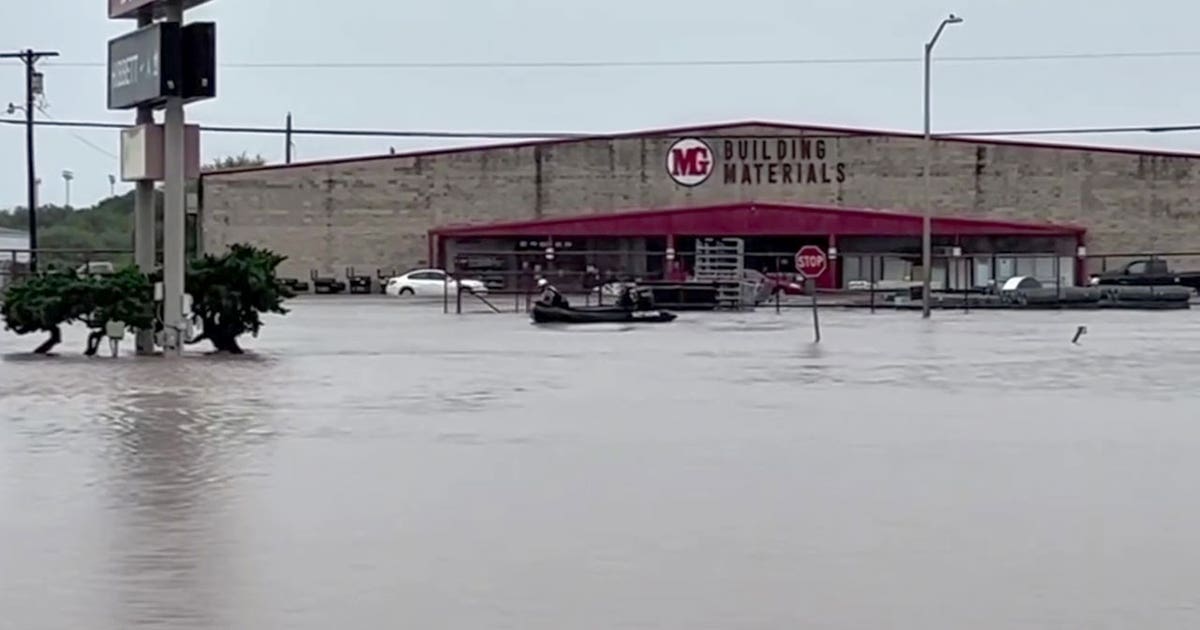
Texas Governor Greg Abbott has said that 59 counties are now in a special “disaster” status because flooding is hitting parts of the state. Think of a disaster declaration like a big red button the governor pushes so the state can send help faster.
Here is what is going on right now:
Important: Flash floods can happen super fast. If water covers a road, do not try to drive through it.
Governor Abbott shared this simple message:
"The protection of Texans is my top priority. As severe storms and the threat of dangerous flash flooding continue across the state, this disaster declaration ensures we can rapidly deploy state resources to support local communities. Texas is positioned to respond quickly and effectively. I urge all Texans in affected areas to monitor local weather forecasts, avoid driving through flooded roadways, and have emergency supplies ready."
In normal words: Stay safe, listen to the weather news, don’t drive into water, and keep a bag of supplies ready.
Some of the places on the list are:
Officials say more counties will be added if the water keeps spreading.
By the end of the week, some areas—especially the Big Bend Region—could see up to a foot of rain (that’s like 12 inches of water from the sky!).
The facts in this story came from:
Texas is dealing with dangerous flash floods. Governor Abbott declared a disaster for 59 counties to send help quickly. Uvalde County already had rescues. More rain—up to a foot—is expected. Stay informed, avoid flooded roads, and keep emergency supplies handy.
1. What is a disaster declaration?
It is a formal announcement by the governor that lets the state send money, people, and equipment to help faster.
2. What should I do if I live in one of the listed counties?
Watch local weather updates, do not drive through flooded streets, and pack emergency supplies like water, food, and a flashlight.
3. Will more counties be added?
Yes. Officials said they will add more counties if the flooding spreads.
4. What is a flash flood?
It is sudden, fast-moving flooding that happens when heavy rain falls quicker than the ground can absorb it.
5. How much rain is expected?
Up to 12 inches (one foot) in the Big Bend Region by the end of the week.