Astronomers Find a Hidden, Faint Planet After 11 Years of Cosmic Hide-and-Seek
What Happened?
Astronomers have discovered a faint, hard-to-see planet orbiting a young star. They found it after playing a kind of "cosmic hide-and-seek" with it for more than 10 years.
In a surprising twist:
- Two different teams of scientists found the same cold gas giant planet a few days apart late last year.
- They were working independently and used different telescopes.
- Scientists reported on Wednesday that this is the dimme (faintest) planet ever directly photographed from Earth.
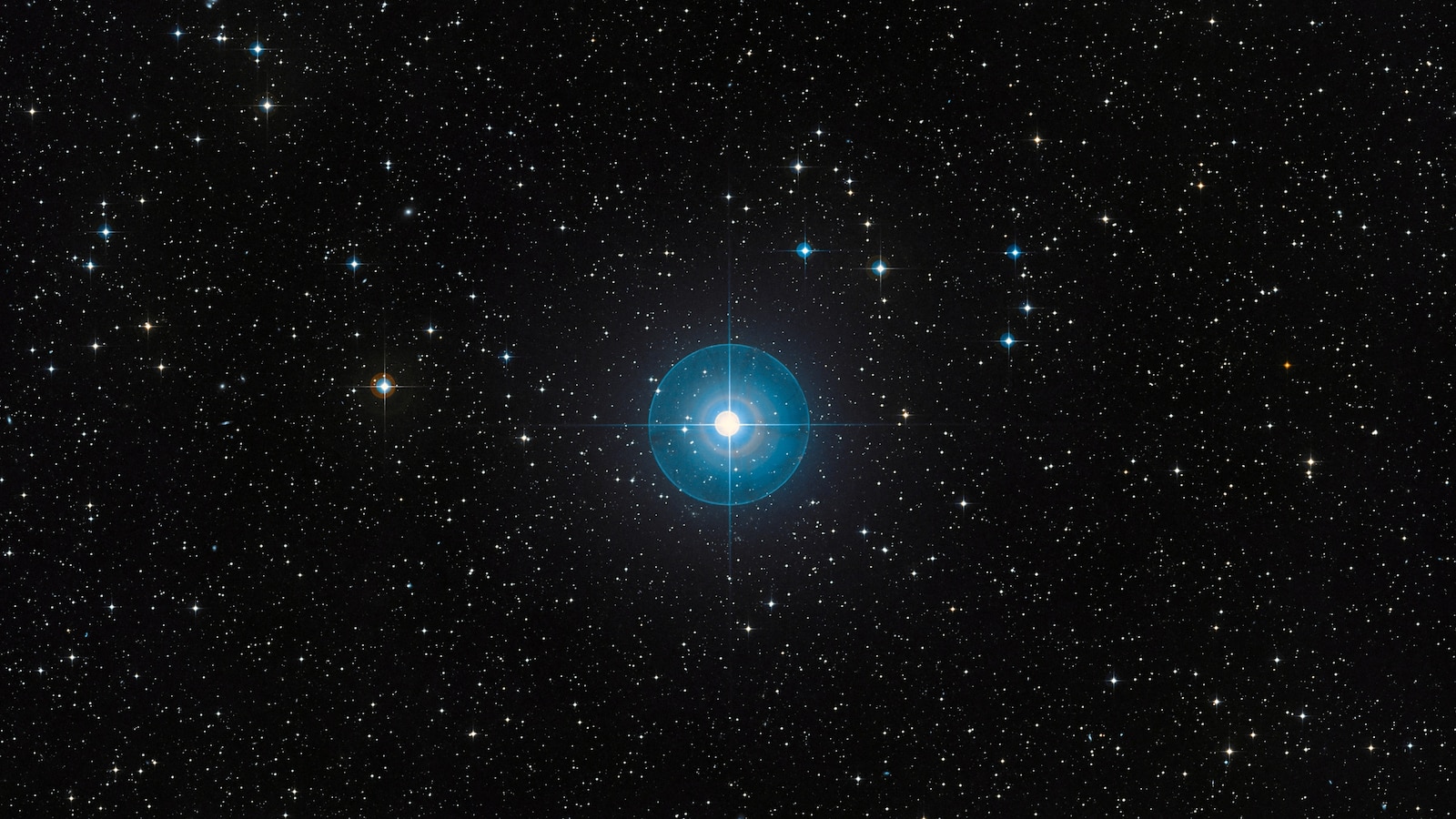
Important Point: This is the dimmest planet ever directly imaged (pictured) from Earth!
How Was It Found?
Two teams spotted the planet in different ways:
Team 1: Scotland and Germany
- Used the European Southern Observatory’s Very Large Telescope in Chile.
- Looked at the star called Beta Pictoris.
- Found the new planet in old data after digging through archives.
- The planet had been hiding in the data the whole time, overshadowed by its brighter star and two other planets near it.
Markus Bonse (co-leader of this team) said:
“It was very much playing hide-and-seek for 11 years.”
Team 2: California
- Used NASA’s Webb Space Telescope (the biggest and most powerful telescope ever launched into space).
- Needed only two observations with Webb to see it.
- Both teams published their results in the Astrophysical Journal Letters.
Why Was the Timing So Special?
The discovery was a happy accident:
- Each team was studying one of the star’s already known planets.
- They noticed a less massive planet farther out — 100 times fainter than the others.
- They kept their work secret from each other so they would not influence the results.
What Is This New Planet Like?
Here are some simple facts:
- Slightly bigger than Jupiter (the biggest planet in our solar system).
- Takes 91 years to orbit its star — a little longer than Uranus takes to go around our sun.
- The star system is only 20 million years old — super young compared to our sun’s neighborhood, which is 4.5 billion years old.
- It probably looks like a much younger version of Jupiter.
Aidan Gibbs (leader of the second team) explained:
“The giant planets have formed, but smaller terrestrial planets could still be forming.”
He also said Beta Pictoris is probably our best look at a planetary system just after it formed and is still settling down from flying asteroids and comets.
Where Is Beta Pictoris?
- It is in a southern constellation shaped like an easel (a stand for painting), called Pictor, or “painter.”
- It is 63 light-years from Earth.
- A light-year is the distance light travels in a year — almost 6 trillion miles (over 9 trillion kilometers).
Why Is This a Big Deal?
- Out of more than 6,000 confirmed exoplanets (planets around other stars), fewer than 100 have been seen by direct imaging.
- Most are found when they pass in front of their star and briefly dim the light.
- Ben Sutlieff from the University of Edinburgh said: “We’ve now built a picture of this planet, and we are very excited to see what more can be learned about it.”
Important Point: Directly taking a picture of a planet far away is very rare and hard because the star is so much brighter!
Summary
Astronomers found a very faint planet around the young star Beta Pictoris after it hid in data for 11 years. Two independent teams saw it days apart using different telescopes (one on Earth, one in space). The planet is a bit bigger than Jupiter, orbits every 91 years, and is the faintest planet ever directly imaged from Earth. This helps scientists learn how young planetary systems form and settle.
FAQ
Q: What does “directly imaged” mean?
A: It means scientists took an actual picture of the planet using a telescope, instead of just guessing it is there because it blocks starlight.
Q: Why did the planet stay hidden for so long?
A: It was 100 times fainter than the other planets and was outshone by its bright star and two neighboring planets.
Q: What is a light-year?
A: It is the distance light travels in one year — about 6 trillion miles (9 trillion kilometers). It is used to measure huge space distances.
Q: Why did the two teams keep their work secret?
A: So they would not accidentally copy or influence each other’s results, keeping the science fair and clear.
 1
1