 11
11
Breaking down a big legal battle about who gets to control America’s money.
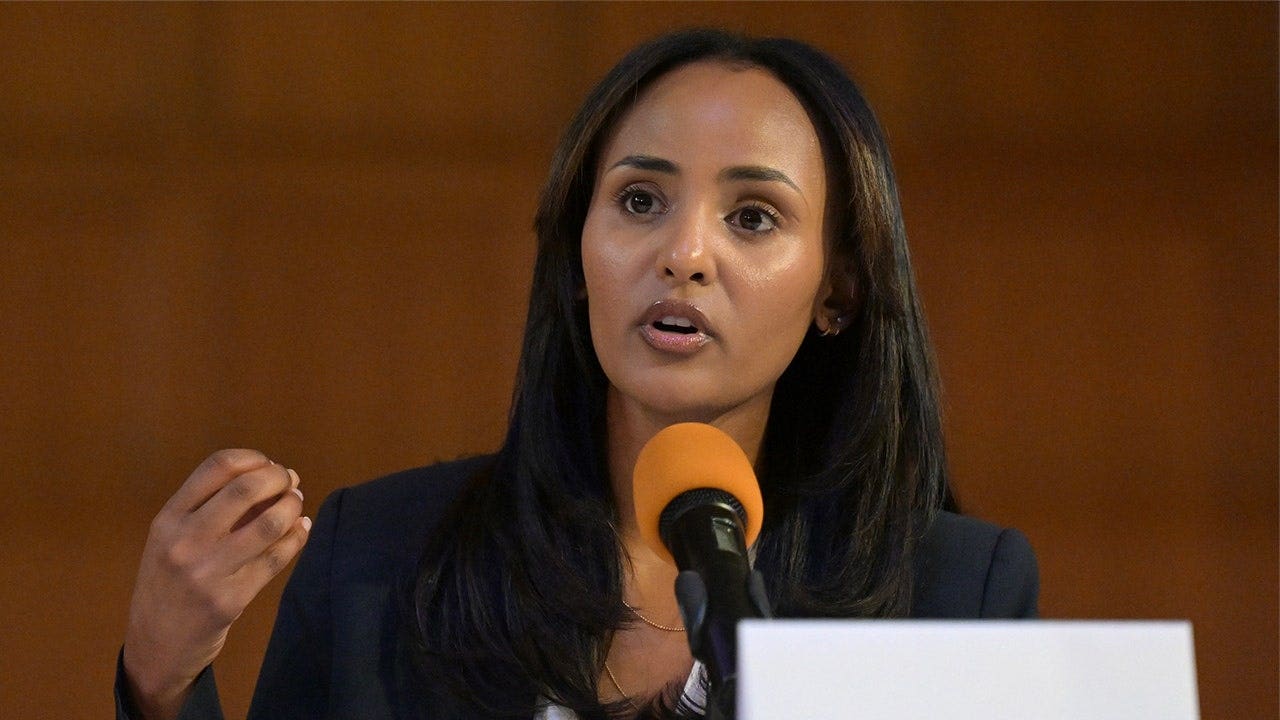
The U.S. Supreme Court made a major decision on June 29, 2026: President Donald Trump cannot fire Lisa Cook from the Federal Reserve.
This is a big deal because it’s another check on his power — following the court’s earlier rejection of his sweeping tariffs. The vote was close: 5 to 4, with the majority saying Cook can stay in her job while she legally challenges whether Trump had a good enough reason to fire her.
Important Point: The court did NOT rule on whether Trump is right or wrong about his accusations against Cook. They only ruled that she gets the chance to fight his decision in lower courts first. The ultimate question of whether he has valid "cause" to fire her is still unresolved.
Let’s talk about the Federal Reserve — often just called "the Fed." Think of it as the control center for America’s money.
In August, Trump posted on social media a letter claiming Lisa Cook declared more than one home as her "primary residence" when applying for mortgages. He argued this was done to get a better interest rate, and therefore he had "cause" to fire her.
Cook flatly denied the charges. She said:
"This was never about mortgage documents signed years before I became a Federal Reserve governor. It was an attempt to remove me on a manufactured pretext because I refused to bow to political pressure and continued to set interest rates based only on what would best serve the American people."
Here’s where it gets interesting. Federal law protects Fed governors. They can only be removed by the president "for cause." That means:
The problem? The law doesn’t really explain what counts as "cause" or how to prove it — which is exactly why this ended up in court.
Roberts, writing for the 5-justice majority, said something really important:
Accepting Trump’s argument would mean allowing presidents to fire governors "for any reason, without any notice before, and without any judicial check after."
In other words, if Trump could fire Cook without any oversight, the "for cause" protection would be essentially meaningless — like having a lock on your door that anyone can open.
Roberts emphasized that when Congress created these protections decades ago, it was "for good reason."
Four of the six conservative justices disagreed with the decision, though they had different reasons for their disagreement. This shows even the Court’s own members were split on this issue.
Trump took to social media, saying the decision was made "on a strictly procedural basis" and promising to take action to remove someone he believes committed wrongdoing.
While the Supreme Court limited Trump’s power over the Federal Reserve, on the same day the court made it easier for Trump to fire leaders of other independent agencies (like consumer protection groups).
The court specifically singled out the Fed as something special:
"The Federal Reserve is a uniquely structured, quasi-private entity that follows in the distinct historical tradition of the First and Second Banks of the United States."
In plain English: the Fed is different from other agencies, and it deserves stronger protection from political pressure.
Imagine if every time a president didn’t like what the Fed was doing, he could just replace the people running it with his own supporters. Those new people might make decisions to help the president politically rather than to help the economy.
Important Point: While presidents have always had opinions about Fed policy, Trump is the FIRST president in American history to actually try to remove a member of the Fed’s board. That’s what makes this case so unprecedented.
| What | Details |
|---|---|
| Decision Date | June 29, 2026 |
| Vote | 5-4 in favor of Cook staying in her role |
| What Trump Wanted | To immediately remove Federal Reserve Governor Lisa Cook |
| What the Court Said | Cook stays while lower courts examine whether Trump had valid "cause" |
| Why It Matters | It limits presidential power over the Fed and protects its independence from politics |
| What’s Next | Lower courts will continue weighing the merits of Trump’s allegations |
| Special Status | The court singled out the Fed as uniquely deserving of protection compared to other agencies |
Q1: So is Lisa Cook fired or not?
Not right now. The Supreme Court ruled that she can remain on the Federal Reserve’s board while lower courts continue to examine whether Trump had a good enough reason (called "cause") to fire her. Her fate hasn’t been decided yet — this is just an intermediate ruling.
Q2: What does "for cause" mean exactly?
It means a president can only fire a Fed governor for a legitimate, serious reason — not just because they disagree. The problem is, the law doesn’t clearly define what qualifies as "cause" or how to prove it, which is why this has become a legal battle.
Q3: Has a president ever tried to fire a Fed governor before?
No. Throughout all of American history, no president has ever attempted to remove a member of the Federal Reserve’s board. Trump is the first, which is why legal experts and former Fed chairs have called this a landmark case.
Q4: Why does the Supreme Court say the Fed is "special" compared to other agencies?
The Fed has a unique structure and history dating back to the very first banks of the United States. The court views it as deserving stronger protection from political interference because of its enormous role in the national economy and the long tradition of keeping it independent from whoever happens to be in the White House.
Q5: Did the Supreme Court rule that Trump’s accusations against Cook are false?
No, they did not. The court explicitly said it was only addressing the legal standards — not the underlying facts of Trump’s claims. The question of whether Cook actually did something wrong will be addressed by the lower courts in the ongoing case.