 11
11/https://i.s3.glbimg.com/v1/AUTH_da025474c0c44edd99332dddb09cabe8/internal_photos/bs/2026/A/6/8jyLs5SSuC67ndaEGzRQ/115476851-moroccos-head-coach-mohamed-ouahbi-gestures-during-a-press-conference-on-the-eve-of-the-2.jpg "Coach Confirms: These Stars Were Born in the Netherlands!")
Morocco’s national football team is about to play a hugely important match against the Netherlands in the second round (knockout stage) of the 2026 FIFA World Cup. The game takes place in Monterrey, Mexico.
But this isn’t just any regular match. There’s a really interesting story behind it that makes it extra special.
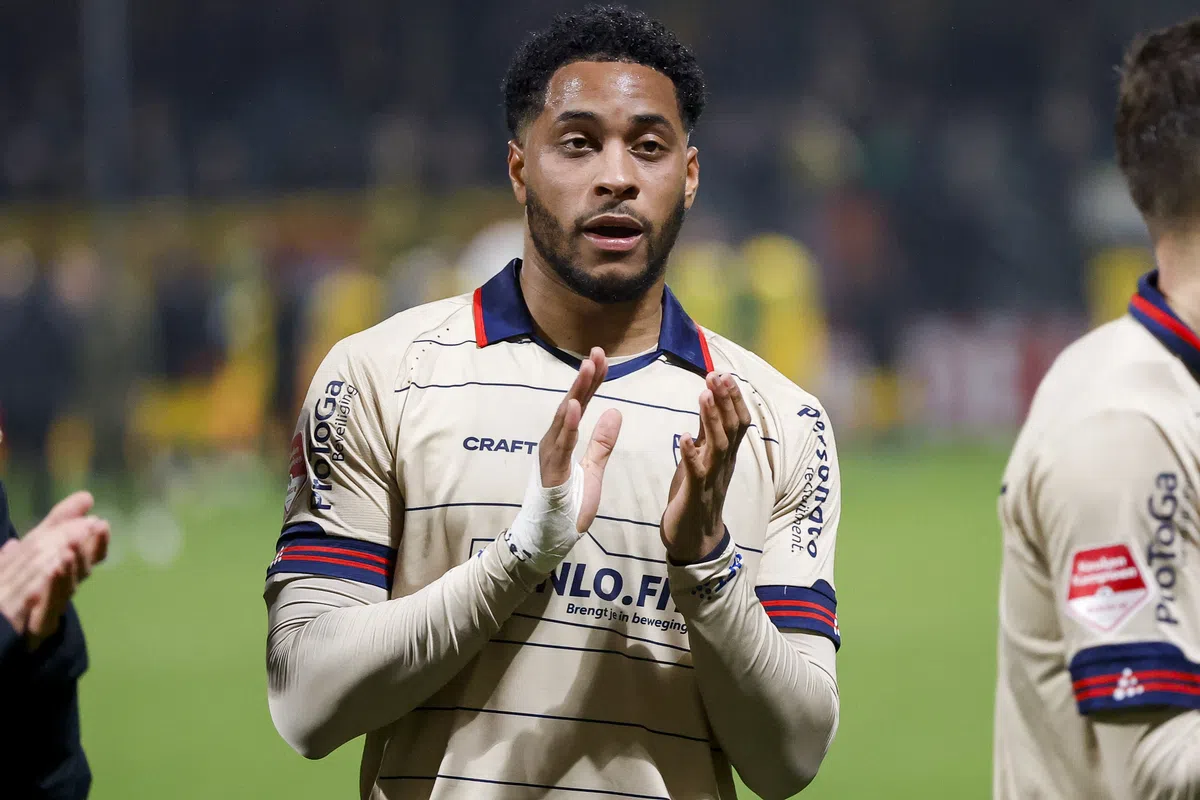
Morocco’s national team includes several players who were not born in Morocco. In fact, three of them were born in the Netherlands:
These players have Moroccan roots (their families come from Morocco), but they grew up in the Netherlands. Now, they have to face the country where they were born on the world’s biggest football stage.
Morocco’s head coach, Mohamed Ouahbi, made his message very clear at a press conference before the match:
"They are Moroccans before anything else, and they are going to win the match."
He also said something really thoughtful:
"They want to win the match for Morocco, not just to hurt the Netherlands. They want to win for their country."
Here’s something that makes Coach Ouahbi’s words even more meaningful: he himself was born in Belgium, not Morocco. So he personally understands what it feels like to represent a country that isn’t the one you were born in.
He described the feeling of facing the Netherlands as:
"It’s a very unique feeling, because we are facing a country that gave us a lot."
In other words, the Netherlands gave these players opportunities, education, and a place to grow up. But when they step onto that football pitch, they play with all their hearts for Morocco.
The Netherlands reached this stage with these results:
Morocco reached this stage with these results:
Morocco finished second in their group, behind Brazil.
Coach Ouahbi also brought up a very important piece of football history:
Morocco was the FIRST African nation ever to get past the group stage of a World Cup.
This happened back in 1986, at the World Cup held in Mexico. That historic journey actually ended in Monterrey — the very same city where this match against the Netherlands is being played! Morocco lost 1–0 to West Germany in the round of 16.
Coach Ouahbi was just 10 years old at the time and remembers it vividly:
"I remember that game against Germany very well. I was ten years old and, to be honest, we were very happy. We wanted to be here. Now, I want to go much further than we went in 1986."
Morocco’s national team is preparing for an emotional and high-stakes World Cup match against the Netherlands. Three of their players were born in the Netherlands, which makes the game personally meaningful for them. Coach Mohamed Ouahbi, who was born in Belgium himself, understands their mixed feelings but has made it clear: when they step on that field, they are Moroccans first. With a proud history that includes being the first African team to advance past a World Cup group stage (back in 1986, in Mexico), Morocco is determined to make even more history this time around.
Q1: Why do some Moroccan players play for Morocco even though they were born in the Netherlands?
These players have Moroccan heritage — their families originally come from Morocco. FIFA allows players to represent a country if they have a family connection to it, even if they were born somewhere else. They chose to represent Morocco.
Q2: Who is Mohamed Ouahbi?
He is the head coach (manager) of Morocco’s national football team. Interestingly, he was born in Belgium, not Morocco, which gives him a personal understanding of what his players go through.
Q3: Why is Monterrey significant in this story?
Monterrey is the city where this match is being played. It’s also the same city where Morocco’s historic 1986 World Cup journey ended with a 1–0 loss to West Germany in the round of 16.
Q4: What does "knockout stage" mean?
The knockout stage (also called the second round) is the phase of the tournament where losing one match means you’re eliminated — you go home. There are no second chances.
Q5: Has Morocco ever beaten a European team in a World Cup knockout match before?
Not yet. Their 1986 run ended against West Germany. This is a chance for them to change that history and go further than ever before.