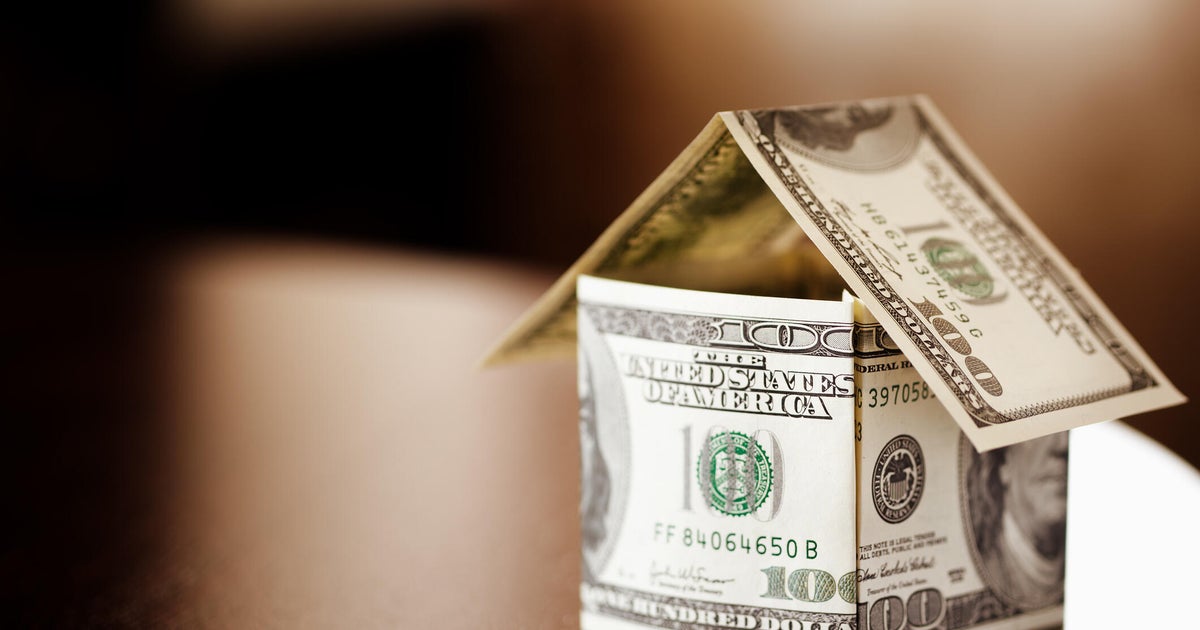
U.S. Home Prices Rocket to Shocking All-Time High
U.S. Home Prices Hit All-Time High While a Helper Law Waits for a Signature
Houses Now Cost More Than Ever
Imagine you want to buy a toy house. The middle price of already-lived-in houses in June was $440,660! That’s the highest ever. Last year at the same time, it was $432,700, so it went up by 1.8%. And guess what? Prices have gone up for 36 months in a row (that’s 3 years straight!). This info comes from a group called the National Association of Realtors (NAR), which counts house sales.
Important: Houses keep getting more expensive every month, and that makes it super hard for regular families to buy one.
Ershang Liang, a money expert at PNC Economics Research, said in big-people words: "Housing affordability remains low under slowing wage growth and stronger home price growth." That means: People’s paychecks are growing slowly, but house prices are growing fast, so buying a home is tough.
How Much Do Different Homes Cost?
Here’s a list of the middle prices for different kinds of homes from NAR’s report:
- Single-family homes (houses for one family): $446,400
- Condominiums and co-ops (like owned apartments): $380,000
- Single-family homes in the Northeast part of the U.S.: $564,800
- Single-family homes in the Midwest: $346,600
- Single-family homes in the South: $377,700
- Single-family homes in the West: $633,600
Why Is It So Hard to Buy a Home?
House prices have been climbing for many decades. The only big drop happened during a huge housing crash that caused a scary money crisis in 2008–09. Then, when everyone stayed home during the pandemic, the big boss bank (called the Federal Reserve) made borrowing money very cheap (low interest rates) to help the economy. That made house prices shoot up like a rocket.
Today, even small "starter" homes meant for first-time buyers cost too much for most Americans.
- A typical starter home costs about $200,000. But fewer than 4 out of 10 families who don’t own a home can afford it (says LendingTree).
- To buy the average home, a family needs to earn about $117,000 per year (says Redfin, another real estate group).
Lawrence Yun, the chief economist at NAR, told the Associated Press: "Without a doubt, the affordability is a major challenge for people who want to become homeowners, which is the reason why we need more supply." In kid words: It’s really hard to buy a home, and we need to build more houses so prices can go down.
The Market Has Slowed Down
Since 2022, the cost to borrow money for a house (mortgage rate) went up from the super-low pandemic times. Sales of previously owned homes were stuck at a 30-year low last year. Through the first half of 2026, sales of existing homes were only 0.7% higher than the year before (after adjusting for seasons).
A New Law to Help — But It’s Stuck in Washington
The 21st Century ROAD to Housing Act
Last month, lawmakers passed a law called the 21st Century ROAD to Housing Act. Both big political teams (Democrats and Republicans) agreed on it — that’s rare! This law wants to make homes cheaper by:
- Removing tricky rules that stop builders from constructing houses.
- Stopping big money companies from buying up single-family homes like toys.
- Encouraging towns to change their building rules (zoning) so homes can be built faster.
Why It Hasn’t Been Signed Yet
Even though Congress said "yes," the law is stuck. President Trump canceled a plan to sign it in late June. He said he won’t sign it until Congress also passes another law called the SAVE America Act (an elections bill). So nobody knows what will happen.
How a Bill Can Become Law Without a Signature
The U.S. Constitution has a backup rule. Here’s how it works in steps:
- Both parts of Congress pass the bill.
- The bill is given to the President.
- If the President does not sign it or say "no" (veto) within 10 days (not counting Sundays)…
- …and if Congress is still meeting (in session)…
- …then the bill automatically becomes law anyway!
Important Callout: The housing bill’s future is uncertain, but if President Trump waits more than 10 days while Congress is working, it could become law without his signature!
Summary
U.S. home prices have never been higher, with the middle price hitting $440,660 in June and rising for 36 months. Many families can’t afford even small homes because prices grew faster than paychecks, and borrowing money got pricier after the pandemic. A bipartisan law called the ROAD to Housing Act could help by building more homes and limiting big investors, but it’s waiting for President Trump’s signature due to a separate elections bill. If he waits too long while Congress is in session, the law might pass automatically. More supply (more houses) is needed to fix the crunch.
FAQ
1. What does "median price" mean?
It’s the middle number when you line up all the prices from cheapest to most expensive. Half the homes cost more, half cost less. It helps us see the typical price.
2. Why did home prices go up so much during the pandemic?
The Federal Reserve (the top bank) lowered interest rates (the extra cost of borrowing money) to help the economy. Cheap loans made more people want to buy houses, and prices shot up.
3. What is the ROAD to Housing Act trying to do?
It’s a law passed by Congress that aims to lower home prices by removing building barriers, stopping big companies from buying single-family homes, and speeding up home construction through zoning changes.
4. What is a mortgage rate?
It’s the interest (extra money) you pay when you borrow money from a bank to buy a house. When rates are high, monthly payments are bigger, making homes harder to afford.
5. Could the housing bill still become law even if Trump doesn’t sign?
Yes! If the President neither signs nor vetoes the bill within 10 days (excluding Sundays) and Congress is still in session, the Constitution says it becomes law automatically.
Edited by Aimee Picchi, with contributions from The Associated Press.