11
11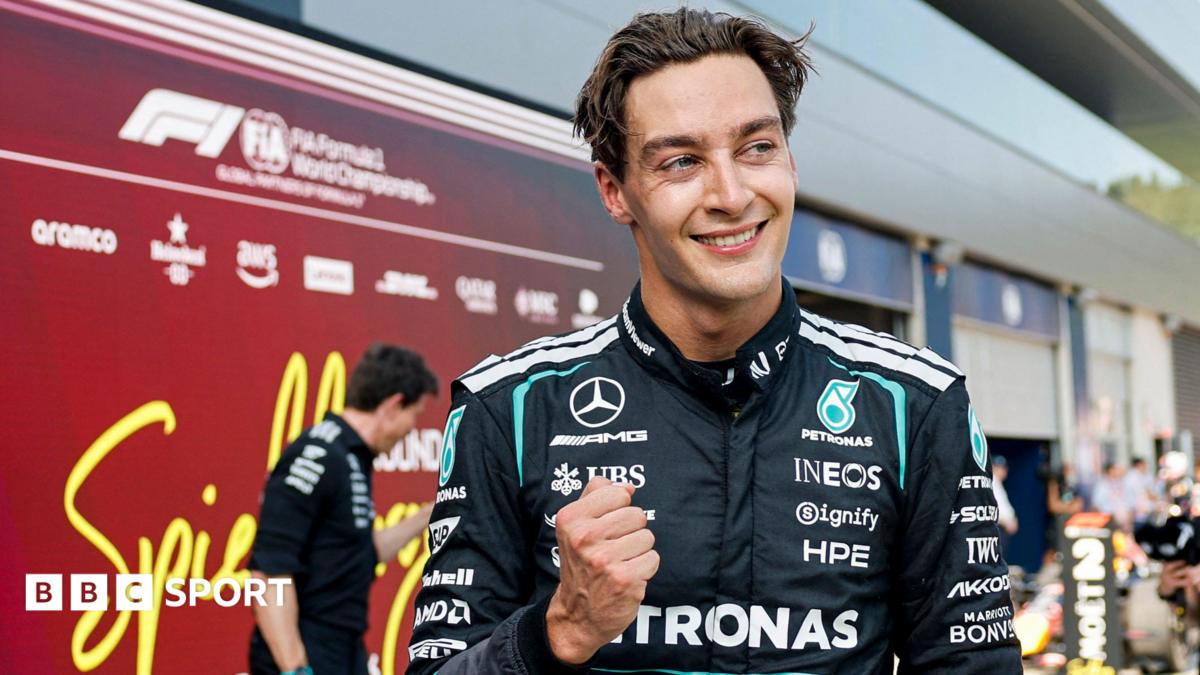
Imagine you’re running a race, and right before it even starts, everything gets turned upside down. That’s exactly what happened in this incredible Formula 1 story. Three drivers were fighting for victory, and what happened in the last few seconds of qualifying (the session that decides where everyone starts the race) ended up deciding the entire outcome. Let’s break it down.
Before a race, all the drivers compete in a special session called qualifying. Think of it like a timed test: everyone tries to set the fastest lap they can. The fastest driver starts at the very front (called pole position), and everyone else lines up behind based on their times. Starting near the front is a huge advantage because you have a clear road ahead of you.
In the final moments of qualifying, three drivers were all fighting to get the best starting spot: George Russell, Kimi Antonelli, and Max Verstappen. What happened at Turn Nine in the dying seconds changed everything — but each driver had a completely different experience:
Max Verstappen crashed. His team, Red Bull, said there was a problem with the aerodynamics at the back of his car (aerodynamics is how air flows around the car to keep it stable and fast). This caused him to lose control, and he ended up starting in fifth place.
Kimi Antonelli made a mistake with the signals. There are light boards around the track that tell drivers about dangers ahead — kind of like traffic lights on a road. Antonelli misread them and thought he had to slow down and back out of his fast lap because of a double yellow flag (which means "slow down, there’s danger ahead"). But that wasn’t actually the case. Because he lifted off the gas unnecessarily, he started in fourth place.
Key Point: All three drivers had the speed to start at the front, but mistakes and bad luck shuffled them back. This gave Russell breathing room at the start, while Verstappen and Antonelli had to fight past other cars just to catch up.
Now, you might think that starting further back would definitely cost Verstappen and Antonelli the win — but it wasn’t that simple. The teams calculated that all three drivers had almost identical pace (speed). The gaps at the end of the race were mostly due to tire wear — drivers who were behind could keep their tires fresher longer, so they got faster near the end.
But here’s where it got wild:
In Formula 1, cars must stop during the race to change tires. When you stop is one of the most critical decisions of the race. Think of it like choosing when to refuel in a board game — timing is everything.
What If? If Red Bull had pitted Verstappen on that same lap, Verstappen would have been in the lead and probably would have won the race.
This race was decided by tiny moments:
It’s a reminder that in Formula 1, races aren’t just won by the fastest car — they’re won by making the right decisions at the right time, and sometimes, by being in the right place when things go wrong for everyone else.
Q: What is pole position and why is it so important?
Pole position means starting the race in first place. It’s a big deal because you have a clear track ahead, which makes it much easier to control the race and avoid traffic.
Q: What is a virtual safety car?
A virtual safety car is like a "slow down" period in the race. Everyone must reduce their speed because there’s a hazard on the track (like a broken-down car). It’s called "virtual" because there’s no actual slow-moving car on the track — drivers slow down based on electronic signals. Pit stops during this period cost less time, which is why strategy around it is so important.
Q: What are "double yellow flags"?
Yellow flags tell drivers there’s danger ahead and they must slow down and be ready to stop. A double yellow means the danger is even more serious — drivers must slow down significantly and be prepared for obstacles on or near the track.
Q: Why does tire strategy matter so much?
Tires wear out during a race, making the car slower. Teams must decide when to stop and put on fresh tires. Stop too early, and your tires may be worn out at the end. Stop too late, and you may lose positions by being on old, slow tires.
Q: Why did Antonelli’s chaotic first laps hurt him so much?
In Formula 1, the first few laps are critical because everyone is bunched together. Going off track (even briefly) costs precious time and positions. Dropping to fifth meant Antonelli had to spend extra laps and fuel catching up instead of fighting for the lead.